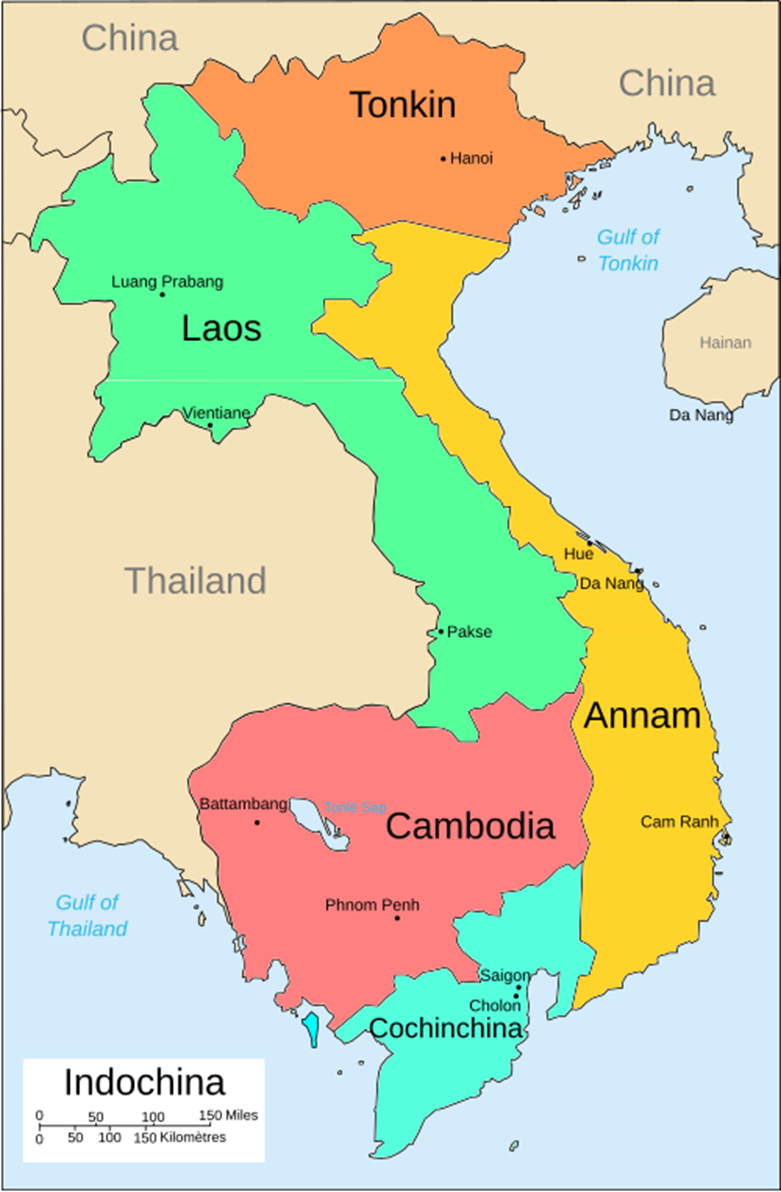
French colonial administration in Cambodia fundamentally reshaped the country’s political structure, society, and its relationship with the wider world. This period, lasting from the establishment of the protectorate in 1863 until independence in 1953, remains a defining era for modern Cambodia and its national consciousness.

In the mid-19th century, Cambodia found itself threatened by the competing ambitions of Siam (modern Thailand) in the west and Vietnam in the east. King Norodom, realizing his kingdom was in danger of dismemberment, turned to France for protection. In 1863, a treaty was signed turning Cambodia into a French protectorate—even as Siam retained some sway over provincial matters until 1907, when France negotiated full control.
The initial French presence was relatively light. The monarchy was maintained as a symbolic institution, and French officials generally avoided direct interference in day-to-day affairs. However, their role in Cambodia soon grew. By 1884, a new treaty, imposed under pressure, effectively made Cambodia a colony in all but name, stripping the monarchy of meaningful power and sparking a two-year rebellion by factions opposed to the erosion of royal authority.
Structure of Colonial Administration
Within the framework of French Indochina, Cambodia was overseen by a Resident-General, appointed from Paris and headquartered in Phnom Penh. This figure wielded ultimate authority, while the monarch and local officials grew increasingly ceremonial. Provincial residents—French colonial governors—administered key cities and regions, bringing Cambodia more directly into the orbit of colonial bureaucracy.
Key features of the administration included:
- The Resident-General, as the highest authority in Cambodia, reported directly to colonial authorities in Saigon or, later, Hanoi.
- Residents governed provincial centers and exercised significant authority in local matters, often overshadowing Cambodian officials who retained nominal roles in administration.
- French advisers were embedded at every level of government, guiding policy and maintaining fiscal control.
- Local administrators had to follow French regulations. While some Cambodian elites found advantage within this system, most real authority rested with the French.
The Elective Monarchy and Royal Power
A singular feature of French rule was the transformation of Cambodia’s hereditary monarchy into an elective one, a mechanism designed to ensure that the king was always someone acceptable to the colonial administration. The French intervened in royal succession, selecting candidates likely to acquiesce to French interests. This undermined traditional legitimacy and cemented France’s influence at the core of Cambodian political life.
French efforts to bolster the symbolic prestige of the monarchy—through palatial construction and ceremonial functions—belied the king’s lost autonomy. The grandeur served both as a nod to Cambodia’s Angkorian past and as a means to reinforce colonial authority.
Social and Economic Effects
France invested relatively little in Cambodia’s economic development compared to neighboring Vietnam. Infrastructure development included roads, railways, and improvements to the capital, but these were limited in scope and mainly served colonial interests. Rubber plantations were established, and rice became a principal export, but the overall economic transformation was modest.
Major features of colonial impact included:
- Taxation: The French imposed efficient (but deeply resented) tax policies. Village-based life was disrupted as taxes rose and corvée (forced labor) became widespread, requiring peasants to work on public projects for months at a time. Notably, a 1916 tax protest saw tens of thousands descend on Phnom Penh, a rare display of mass opposition. Cambodians bore the highest tax burden per capita in all of French Indochina, with the colonial administration relying on taxes from Cambodian residents as a main source of revenue.
- Education: Colonial neglect left Cambodia with a poorly developed education system. The elite continued to be educated in Buddhist monasteries or in France, while the masses saw little change in their everyday lives.
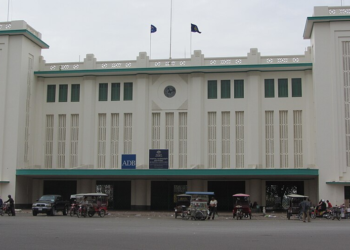
- Urban planning: The French gave Phnom Penh a distinctly European character, with wide boulevards, administrative buildings, and a modern urban plan. This pattern was repeated in provincial centers, where colonial administrative and commercial buildings can still be seen today.
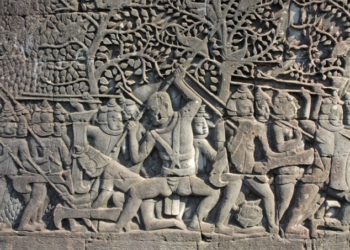
- Cultural policy: While the French left Buddhism and rural traditions relatively undisturbed, they encouraged pride in Cambodia’s ancient heritage. The restoration of Angkor, the deciphering of Khmer texts, and the elevation of Khmer identity contributed to a revival of national consciousness in the 20th century.
Law, Order, and Resistance
The French replaced existing Cambodian legal structures with new colonial laws, often in consultation with local elites but always subject to French authority. The legal changes diminished the power of local leaders and further centralized authority in colonial hands.
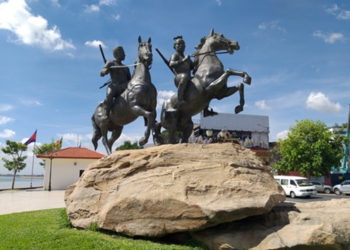
In the early decades, resistance was rare and quickly suppressed. The rebellion of 1885–87, led by prince Norodom Sivotha, half-brother of King Norodom and King Sisowath of Cambodia, was quelled with considerable force, setting a precedent for harsh responses to future dissent. Most Cambodians adapted to the realities of colonial life, but anti-colonial sentiment simmered beneath the surface.
The Second World War and the Road to Independence
The events of World War II shattered the facade of enduring colonial order. Japan occupied Cambodia in 1941 yet left the Vichy French administration nominally in control. In 1945, the Japanese encouraged King Sihanouk to proclaim independence, but Allied victory restored French rule later that year. By then, the winds of change were unmistakable: Cambodian nationalism grew, inspired partly by French encouragement of Khmer identity and partly by global decolonization trends.
After the war, France offered limited self-rule; Sihanouk’s shrewd maneuvering and the persistence of nationalist movements transformed these concessions into full sovereignty. In 1953, after years of negotiation and pressure, Cambodia gained true independence, symbolically ending French colonial rule.
Legacy of French Colonial Administration
The French era had deep and lasting effects on Cambodia:
- The administrative structures and legal systems of colonial times persisted long after independence.
- The monarchy, although stripped of substantive power, retained symbolic importance and was revived under Sihanouk in 1941 as part of French political strategy.
- The experience of colonial rule and the processes of resistance and accommodation gave rise to a uniquely modern Khmer nationalism.
While the period is often recalled for the hardships of taxation and forced labor, the introduction of new administrative concepts, exposure to global politics, and revival of Khmer identity left an indelible mark on Cambodia’s national psyche.