Wonders of Cambodia
  • Home
  • Culture
  • Cuisine
  • Tourism
  • Business
  • Life in Cambodia
  • 中文
  • ខ្មែរ
  • Français
  • Tiếng Việt
  • e-Books
No Result
View All Result
  • Home
  • Culture
  • Cuisine
  • Tourism
  • Business
  • Life in Cambodia
  • 中文
  • ខ្មែរ
  • Français
  • Tiếng Việt
  • e-Books
No Result
View All Result
Wonders of Cambodia
No Result
View All Result
Home Culture History

King Norodom of Cambodia: Biography, Reign, and Legacy of a Khmer Monarch

SamAth Sros by SamAth Sros
March 20, 2026
in History, Who's who
Reading Time: 5 mins read
0
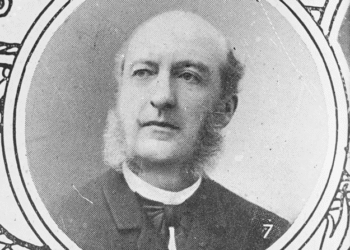
King Norodom of Cambodia (Public domain)

King Norodom of Cambodia (Preah Norodom ព្រះនរោត្តម, born Ang Vodey អង្គវតី) was the monarch who reigned from 1860 until his death in 1904, initiating the House of Norodom that remains central to Cambodian royalty. His long reign—spanning over 43 years—marks a pivotal era in Cambodia’s modern history, shaped by colonial intervention, internal reforms, and a legacy that continues to influence the nation’s monarchy and cultural identity.

Early Life and Ascension

Born on February 3, 1834, Norodom was the eldest son of King Ang Duong, who had himself emerged as a restorer of the Cambodian state after decades of regional wars and interventions by neighboring Siam (Thailand) and Vietnam. In his youth, Norodom was sent to Bangkok alongside his half-brother, Prince Sisowath, where he was educated under the supervision of the Siamese royal court. This period of education and mentorship, including military advisory service in the Royal Siamese Army, profoundly shaped Norodom’s diplomatic skills and understanding of regional politics.

Upon the death of King Ang Duong in 1860, Norodom was elected by the royal council to succeed his father. However, his ascent was immediately challenged by internal family opposition and by political complexity involving Siam, which held the royal regalia and therefore posed an obstacle to full coronation. After a period of exile and return facilitated by Siamese and later French intervention, Norodom was finally crowned in 1864, only after French military pressure forced Siam to return the regalia and recognize his kingship.

French Protectorate and Loss of Sovereignty

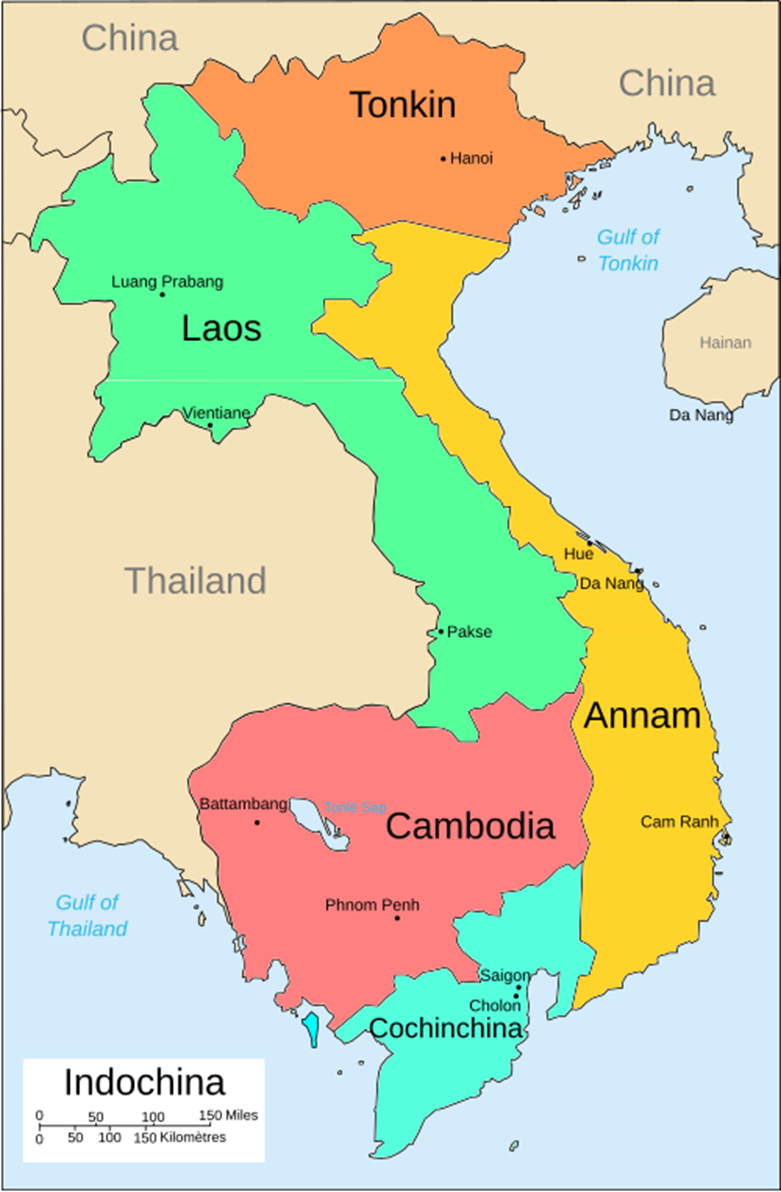
The 1860s and onward were transformative for Cambodia under Norodom’s rule. By the time of his coronation, Cambodia found itself squeezed between the might of Siam and the encroaching French colonial presence in Indochina. Seeking protection from internal rivals and from Siamese pressure, Norodom signed the critical treaty of 1863 with France, surrendering control of Cambodia’s foreign relations in exchange for recognition and personal safety. The agreement began as a diplomatic gambit for survival, but it eventually led to progressive French domination of Cambodia’s internal governance, reducing the king’s authority to a symbolic, semi-ceremonial role.

As France consolidated its hold on Southeast Asia, deeper interventions followed. In 1884, the French authorities forced King Norodom to sign a treaty stripping him of control over public revenues, customs taxes, and other elements of sovereignty—a move backed by the threat of gunboats at the gates of the royal palace. These humiliations sparked nationwide resentment and unrest; Norodom was suspected of tacit support for his rebellious half-brother Si Votha, who led a major revolt against the French between 1885 and 1886. After the suppression of the revolt and minor concessions by the French, Norodom regained a degree of influence, but largely remained a figurehead for the rest of his reign.

Reforms and Cultural Patronage

Although ultimately constrained by colonial oversight, Norodom used the levers still available to him to implement significant domestic reforms. He reduced the number of provinces and streamlined civil administration to reduce costs. Norodom also followed the regional trend of reforms by abolishing commercial monopolies, slavery, and civil allowances for extended royal family members. This was part of his attempt to modernize certain aspects of governance and public life under the watchful eye of French authorities.

The king’s influence extended well beyond administration. Noted for his appreciation and patronage of the arts, Norodom was instrumental in the revival and flourishing of Cambodian classical arts, particularly dance and music. During his reign, the Silver Pagoda was constructed in 1892, and Wat Oudong was consecrated in 1875. Norodom encouraged international exchange and sought out musicians and artists abroad to develop the kingdom’s cultural life. Admission to the palace dancing school became a significant honor, symbolizing the renewed prestige of Khmer classical arts.

Norodom and Colonial Resistance

Norodom’s rule was marked by a delicate balance of collaboration and resistance. While he formally acceded to the demands of French officials, there were periods of political maneuvering and protest. The French, for their part, installed loyal ministers around him — often over the king’s objections — to maintain control. The loss of personal autonomy, culminating in the forced signing of treaties under duress and the appointment of ministers without his input, embittered Norodom in his later years. Nevertheless, his ability to preserve the Cambodian monarchy’s symbolic stature in the face of relentless encroachment is regarded as a signal achievement.

After the 1884–85 Sino-French War and the creation of French Indochina (which included Cambodia), Norodom acknowledged the futility of direct resistance. He sought, as best as possible, to provide stability and continuity for his subjects, and later in his reign, his relationship with the French became more pragmatic. Before his death, he designated his son, Prince Norodom Yukanthor, as heir apparent; however, Yukanthor’s falling out with the French led to another succession crisis, and Norodom was succeeded by his half-brother, Sisowath, after his death.

Death and Legacy

King Norodom died in Phnom Penh in April 1904; his body was subsequently cremated in a Buddhist ceremony in 1906. His reign is the longest known in Cambodian history with verifiable dates, and his impact resonates through several dimensions of Cambodian life and governance.

Perhaps his most profound legacy is institutional, as the founder of the present royal house, with the name “Norodom” becoming synonymous with the modern monarchy. Though remembered by contemporaries and later historians as having been rendered a “puppet” under French rule, Norodom’s actual political maneuvering, resilience in the face of colonial ambitions, and tenacity in preserving national and cultural identity are often given greater historic appreciation.

He is celebrated for his fondness for the arts, the revival of classical Khmer dance, his support for Buddhist institutions, and the building of architectural monuments that have become symbols of Cambodian nationhood.

Comparative Perspective

It is important to distinguish King Norodom from his famous descendant, Norodom Sihanouk, the twentieth-century monarch and statesman who played an outsized role in turbulent events including independence from France, periods of war, and the Khmer Rouge era. The elder Norodom’s foundation allowed future kings significant symbolic and cultural capital even as real political power ebbed and flowed amid national tragedies and global pressure.

Conclusion

King Norodom’s life and reign encapsulate the tensions and ambiguities of a Southeast Asian monarch caught between tradition, foreign imposition, and the beginnings of modern nationhood. While arguably rendered subordinate by the colonial system he sought to manage, his reign saw the partial restoration and ultimate preservation of Cambodian identity, sovereignty (in a limited, symbolic form), and cultural achievements that have persisted well beyond his era.

Don’t miss our upcoming articles!

We don’t spam!

Check your INBOX or SPAM folder to confirm your subscription.

Tags: Cambodian monarchyFrench ProtectorateKing Norodom of Cambodiaព្រះនរោត្តម
ShareTweet
Previous Post

Picture of the day: Rice People

Next Post

Humiliation of Cambodia by Siam: The secret December 1863 Siamese-Cambodian treaty

SamAth Sros

SamAth Sros

Related Posts

Statue of a robed Buddhist monk standing on a pedestal in front of a dark doorway and red wall, holding a closed umbrella and a book
History

Hem Chieu, the Monk Who Dared – Cambodian Nationalism in a Saffron Robe

May 31, 2026
Japanese Imperial Army troops and supply wagons advancing along a dirt road through rural Indochina in 1940, with mountains visible in the background
History

Imperial Japanese Control over Cambodia in World War II, From Quiet Garrison to Puppet Kingdom

May 30, 2026
A close-up of a weathered sandstone door pillar at Prasat Krachap in Koh Ker, Cambodia, carved with lines of ancient Sanskrit script from a 928 CE inscription dedicating the temple to the deity Tribhuvanadeva
History

Sanskrit in Cambodia: How an Ancient Language Still Shapes Modern Khmer

May 18, 2026
Bas-relief at Bayon temple showing Khmer archers and crossbowmen marching in formation, carved in sandstone with detailed clothing and weaponry.
History

Picture of the day: Khmer Archers and Crossbowmen at Bayon

May 17, 2026
Map of Asia showing regions shaped by Indian cultural influence, with India and surrounding South and Southeast Asian countries highlighted.
Culture

Greater India and Cambodia: How Indian Civilization Shaped the Khmer World

May 3, 2026
Hanuman fighting demon in Reamker mural at the Silver Pagoda in the Royal Palace Phnom Penh by Tep Nimit Mak 1903-1904
Art

Oknha Tep Nimit Mak: The Master Artist Who Painted Cambodia’s Royal Heritage

April 27, 2026
Next Post
Humiliation of Cambodia by Siam: The secret December 1863 Siamese-Cambodian treaty

Humiliation of Cambodia by Siam: The secret December 1863 Siamese-Cambodian treaty

  • Trending
  • Comments
  • Latest
The French Protectorate of Cambodia (1863–1953): An Overview

The French Protectorate of Cambodia (1863–1953): An Overview

July 13, 2025
The Franco-Siamese Treaty of 23 March 1907: Borders, Politics, and the Return of Angkor

The Franco-Siamese Treaty of 23 March 1907: Borders, Politics, and the Return of Angkor

February 11, 2026
Cambodian-Vietnamese War (1978-1989)

Cambodian-Vietnamese War (1978-1989)

July 13, 2025
Working in Cambodia in 2026: Visas, Work Permits and Everyday Reality for Foreigners

Working in Cambodia in 2026: Visas, Work Permits and Everyday Reality for Foreigners

February 9, 2026
Kampot Province

Takeo Province: A Cradle of Cambodian History and Culture

3
Kratié Town on the Mekong: Colonial Echoes, River Life, and Irrawaddy Dolphins

Kratié Town on the Mekong: Colonial Echoes, River Life, and Irrawaddy Dolphins

3
Banteay Meanchey Province: A Gateway to Cambodia’s Rich Heritage

Banteay Meanchey Province: A Gateway to Cambodia’s Rich Heritage

2
Stung Treng Province: The Gateway to Cambodia’s Northern Wilderness

Stung Treng Province: The Gateway to Cambodia’s Northern Wilderness

2
Close-up of tarticlette at La Guinguette de Siem Reap, a French-style potato, bacon, onion and raclette cheese gratin served in a black dish with green salad on the side in Siem Reap, Cambodia.

Picture of the day: Tarticlette Comfort at La Guinguette in Siem Reap

June 5, 2026
Sandstone 7th‑century Devi statue from Sambor Prei Kuk style, showing elegant Khmer feminine form with high jata hairstyle and sampot, displayed against a warm backdrop.

Picture of the day: Devi Statue from Sambor Prei Kuk Gracefully Reimagined

June 4, 2026
Illustration of a Cambodian folk scene at a riverside: a large fish leaps dramatically out of the water in the foreground while a rabbit watches from the grassy bank, and in the background a couple in traditional clothing stands near a stilted thatched house, suggesting a moment from a village proverb.

When the Rabbit Escapes and the Fish Slips Away: A Khmer Proverb about Greed

June 3, 2026
Avion de la compagnie AirAsia peint en rouge avec la mention Cambodia sur le fuselage, volant dans le ciel avant l’atterrissage

A New boost for Cambodia tourism

June 3, 2026

Recent News

Close-up of tarticlette at La Guinguette de Siem Reap, a French-style potato, bacon, onion and raclette cheese gratin served in a black dish with green salad on the side in Siem Reap, Cambodia.

Picture of the day: Tarticlette Comfort at La Guinguette in Siem Reap

June 5, 2026
Sandstone 7th‑century Devi statue from Sambor Prei Kuk style, showing elegant Khmer feminine form with high jata hairstyle and sampot, displayed against a warm backdrop.

Picture of the day: Devi Statue from Sambor Prei Kuk Gracefully Reimagined

June 4, 2026
Illustration of a Cambodian folk scene at a riverside: a large fish leaps dramatically out of the water in the foreground while a rabbit watches from the grassy bank, and in the background a couple in traditional clothing stands near a stilted thatched house, suggesting a moment from a village proverb.

When the Rabbit Escapes and the Fish Slips Away: A Khmer Proverb about Greed

June 3, 2026
Avion de la compagnie AirAsia peint en rouge avec la mention Cambodia sur le fuselage, volant dans le ciel avant l’atterrissage

A New boost for Cambodia tourism

June 3, 2026
Wonders of Cambodia

Exploring Culture, Nature, and Spirit in the Land of Wonder.

Follow Us

Browse by Category

  • Architecture
  • Architecture
  • Art
  • Books
  • Business
  • Business
  • Cinema
  • Costume
  • Costume
  • Cuisine
  • Culture
  • Defense
  • Du lịch
  • e-Books
  • Education
  • Expat life
  • Fauna
  • Festival
  • Flora
  • Food providers
  • Français
  • Geography
  • Handicraft
  • Health
  • Histoire
  • History
  • Hotels
  • Khmer Stories
  • Khmer stories
  • Knowledge
  • Language
  • Last posts
  • Lịch sử
  • Life in Cambodia
  • Literature
  • Music
  • Pictures
  • Politics
  • Population
  • Press review
  • Professional services
  • Proverbs
  • Reference
  • Reference
  • Religion
  • Restaurants
  • Textile
  • Tiếng Việt
  • Tourism
  • Tourisme
  • Transport
  • Uncategorized
  • Video
  • Vie quotidienne
  • Who's who
  • ខ្មែរ
  • ទេសចរណ៍៖
  • បគ្គលល្បី
  • ប្រវត្តិសាស្ត្រោ
  • 中文
  • 书籍
  • 历史
  • 旅游
  • 生活

Recent News

Close-up of tarticlette at La Guinguette de Siem Reap, a French-style potato, bacon, onion and raclette cheese gratin served in a black dish with green salad on the side in Siem Reap, Cambodia.

Picture of the day: Tarticlette Comfort at La Guinguette in Siem Reap

June 5, 2026
Sandstone 7th‑century Devi statue from Sambor Prei Kuk style, showing elegant Khmer feminine form with high jata hairstyle and sampot, displayed against a warm backdrop.

Picture of the day: Devi Statue from Sambor Prei Kuk Gracefully Reimagined

June 4, 2026
  • About Us
  • Advertise
  • Privacy & Policy
  • Contact Us

© 2025 - Made with 💫 by TechFlow.

No Result
View All Result
  • Home
  • Culture
  • Cuisine
  • Tourism
  • Business
  • Life in Cambodia
  • 中文
  • ខ្មែរ
  • Français
  • Tiếng Việt
  • e-Books

© 2025 - Made with 💫 by TechFlow.