Wonders of Cambodia
  • Home
  • Culture
  • Cuisine
  • Tourism
  • Business
  • Life in Cambodia
  • 中文
  • ខ្មែរ
  • Français
  • Tiếng Việt
  • e-Books
No Result
View All Result
  • Home
  • Culture
  • Cuisine
  • Tourism
  • Business
  • Life in Cambodia
  • 中文
  • ខ្មែរ
  • Français
  • Tiếng Việt
  • e-Books
No Result
View All Result
Wonders of Cambodia
No Result
View All Result
Home Culture History

Protectorate and Power: French Rule in Cambodia

Pascal Medeville by Pascal Medeville
February 10, 2026
in History
Reading Time: 6 mins read
0

French colonial administration in Cambodia fundamentally reshaped the country’s political structure, society, and its relationship with the wider world. This period, lasting from the establishment of the protectorate in 1863 until independence in 1953, remains a defining era for modern Cambodia and its national consciousness.

Flag of Cambodia between 1863 and 1948 (Public domain)

In the mid-19th century, Cambodia found itself threatened by the competing ambitions of Siam (modern Thailand) in the west and Vietnam in the east. King Norodom, realizing his kingdom was in danger of dismemberment, turned to France for protection. In 1863, a treaty was signed turning Cambodia into a French protectorate—even as Siam retained some sway over provincial matters until 1907, when France negotiated full control.

The initial French presence was relatively light. The monarchy was maintained as a symbolic institution, and French officials generally avoided direct interference in day-to-day affairs. However, their role in Cambodia soon grew. By 1884, a new treaty, imposed under pressure, effectively made Cambodia a colony in all but name, stripping the monarchy of meaningful power and sparking a two-year rebellion by factions opposed to the erosion of royal authority.

Structure of Colonial Administration

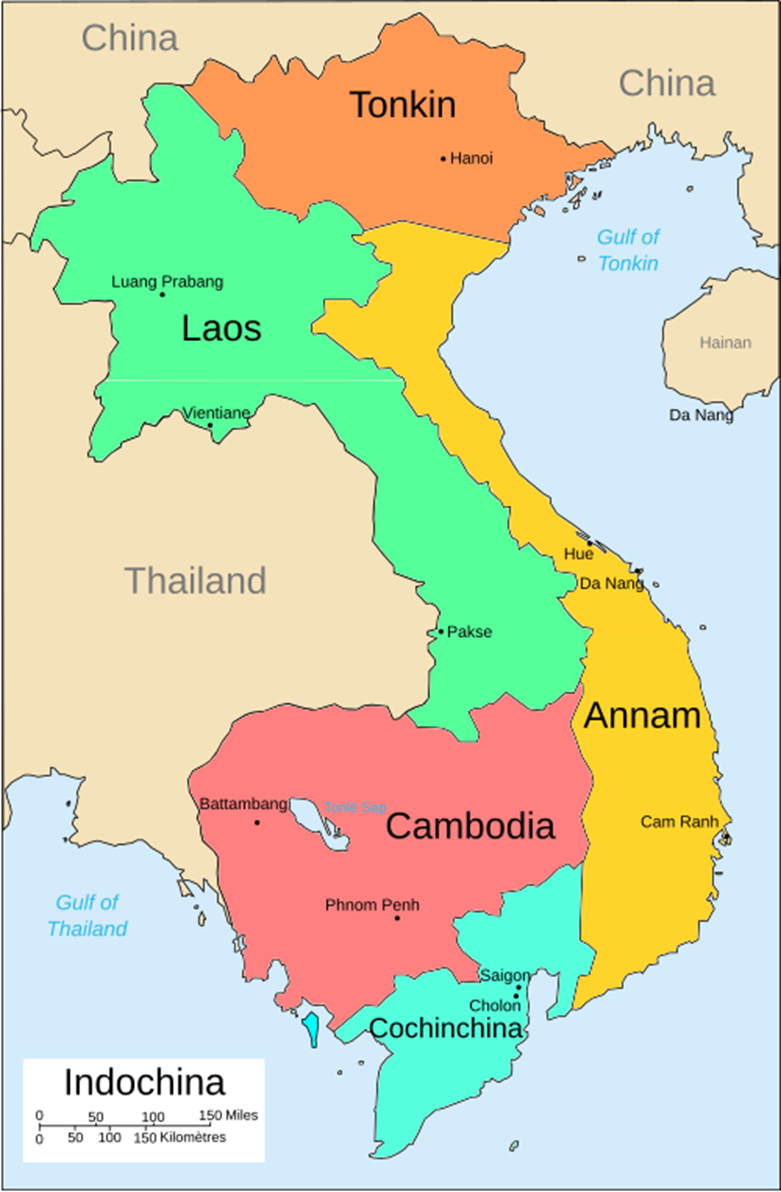
Within the framework of French Indochina, Cambodia was overseen by a Resident-General, appointed from Paris and headquartered in Phnom Penh. This figure wielded ultimate authority, while the monarch and local officials grew increasingly ceremonial. Provincial residents—French colonial governors—administered key cities and regions, bringing Cambodia more directly into the orbit of colonial bureaucracy.

Key features of the administration included:

  • The Resident-General, as the highest authority in Cambodia, reported directly to colonial authorities in Saigon or, later, Hanoi.
  • Residents governed provincial centers and exercised significant authority in local matters, often overshadowing Cambodian officials who retained nominal roles in administration.
  • French advisers were embedded at every level of government, guiding policy and maintaining fiscal control.
  • Local administrators had to follow French regulations. While some Cambodian elites found advantage within this system, most real authority rested with the French.

The Elective Monarchy and Royal Power

A singular feature of French rule was the transformation of Cambodia’s hereditary monarchy into an elective one, a mechanism designed to ensure that the king was always someone acceptable to the colonial administration. The French intervened in royal succession, selecting candidates likely to acquiesce to French interests. This undermined traditional legitimacy and cemented France’s influence at the core of Cambodian political life.

French efforts to bolster the symbolic prestige of the monarchy—through palatial construction and ceremonial functions—belied the king’s lost autonomy. The grandeur served both as a nod to Cambodia’s Angkorian past and as a means to reinforce colonial authority.

Social and Economic Effects

France invested relatively little in Cambodia’s economic development compared to neighboring Vietnam. Infrastructure development included roads, railways, and improvements to the capital, but these were limited in scope and mainly served colonial interests. Rubber plantations were established, and rice became a principal export, but the overall economic transformation was modest.

Major features of colonial impact included:

  • Taxation: The French imposed efficient (but deeply resented) tax policies. Village-based life was disrupted as taxes rose and corvée (forced labor) became widespread, requiring peasants to work on public projects for months at a time. Notably, a 1916 tax protest saw tens of thousands descend on Phnom Penh, a rare display of mass opposition. Cambodians bore the highest tax burden per capita in all of French Indochina, with the colonial administration relying on taxes from Cambodian residents as a main source of revenue.
  • Education: Colonial neglect left Cambodia with a poorly developed education system. The elite continued to be educated in Buddhist monasteries or in France, while the masses saw little change in their everyday lives.
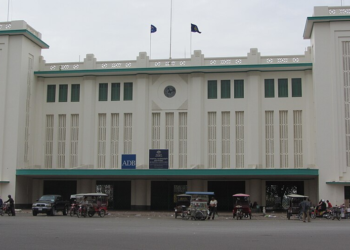
  • Urban planning: The French gave Phnom Penh a distinctly European character, with wide boulevards, administrative buildings, and a modern urban plan. This pattern was repeated in provincial centers, where colonial administrative and commercial buildings can still be seen today.
  • Cultural policy: While the French left Buddhism and rural traditions relatively undisturbed, they encouraged pride in Cambodia’s ancient heritage. The restoration of Angkor, the deciphering of Khmer texts, and the elevation of Khmer identity contributed to a revival of national consciousness in the 20th century.

Law, Order, and Resistance

The French replaced existing Cambodian legal structures with new colonial laws, often in consultation with local elites but always subject to French authority. The legal changes diminished the power of local leaders and further centralized authority in colonial hands.

In the early decades, resistance was rare and quickly suppressed. The rebellion of 1885–87, led by prince Norodom Sivotha, half-brother of King Norodom and King Sisowath of Cambodia, was quelled with considerable force, setting a precedent for harsh responses to future dissent. Most Cambodians adapted to the realities of colonial life, but anti-colonial sentiment simmered beneath the surface.

The Second World War and the Road to Independence

The events of World War II shattered the facade of enduring colonial order. Japan occupied Cambodia in 1941 yet left the Vichy French administration nominally in control. In 1945, the Japanese encouraged King Sihanouk to proclaim independence, but Allied victory restored French rule later that year. By then, the winds of change were unmistakable: Cambodian nationalism grew, inspired partly by French encouragement of Khmer identity and partly by global decolonization trends.

After the war, France offered limited self-rule; Sihanouk’s shrewd maneuvering and the persistence of nationalist movements transformed these concessions into full sovereignty. In 1953, after years of negotiation and pressure, Cambodia gained true independence, symbolically ending French colonial rule.

Legacy of French Colonial Administration

The French era had deep and lasting effects on Cambodia:

  • The administrative structures and legal systems of colonial times persisted long after independence.
  • The monarchy, although stripped of substantive power, retained symbolic importance and was revived under Sihanouk in 1941 as part of French political strategy.
  • The experience of colonial rule and the processes of resistance and accommodation gave rise to a uniquely modern Khmer nationalism.

While the period is often recalled for the hardships of taxation and forced labor, the introduction of new administrative concepts, exposure to global politics, and revival of Khmer identity left an indelible mark on Cambodia’s national psyche.

📘 Get your Guide to the French Protectorate in Cambodia and the Franco–Siamese Treaties (1863–1953)

Check your inbox or spam folder to get your subscription. https://payhip.com/b/HkQFE

Don’t miss our upcoming articles!

We don’t spam!

Check your INBOX or SPAM folder to confirm your subscription.

Tags: Cambodian Historycolonial administration in CambodiaFrench colonialism of CambodiaFrench Indochina
ShareTweet
Previous Post

Picture of the day: Red button ginger

Next Post

Picture of the day: Palm-leaf manuscript

Pascal Medeville

Pascal Medeville

Author of the blog Wonders of Cambodia, I share my passion for Cambodia through stories, cultural insights, and personal reflections on the country. I'm also the founder of Simili Consulting, where we provide high-quality, professional translation services to international clients.

Related Posts

Rows of mature rubber trees in a plantation in Tbong Khmum Province, Cambodia, with a dirt road in the foreground and green vegetation surrounding the estate
History

French Introduction of Rubber Plantations to Cambodia: How Colonial Ambition Changed the Kingdom’s Landscape

July 19, 2026
Stone pyramid temple of Prasat Thom at Koh Ker, Cambodia, seen from the front with steep central stairway and green vegetation covering its tiers.
History

Who’s Who: Jayavarman IV, The King Who Moved Angkor

July 18, 2026
Kai Yuan Tong Bao (開元通寶) Tang dynasty copper‑alloy cash coins, heavily corroded, shown at high magnification in two paired front‑and‑back views with square central holes and partially legible Chinese characters, to document examples found at Angkor
History

History: Chinese Coins Reveal Hidden Stories of Angkor

July 18, 2026
Sideshow by William Shawcross
Books

Book: Sideshow: Kissinger, Nixon and the Destruction of Cambodia

July 7, 2026
Fourteenth century Sukhothai bronze Buddha statue seated cross-legged in meditation, right hand resting on knee, left hand in lap, with flame-like finial on top of the head.
History

Meet the Neighbors: A Short History of the Thai People

July 6, 2026
Black‑and‑white panoramic view of Pre Rup’s upper terrace at Angkor, showing the central stepped sandstone prasat flanked by two smaller brick towers under a dramatic cloudy sky.
History

Rajendravarman II: Warrior-King Who Reunified Angkor and Reshaped the Khmer Empire

July 19, 2026
Next Post
Picture of the day: Palm-leaf manuscript

Picture of the day: Palm-leaf manuscript

  • Trending
  • Comments
  • Latest
The French Protectorate of Cambodia (1863–1953): An Overview

The French Protectorate of Cambodia (1863–1953): An Overview

July 13, 2025
The Franco-Siamese Treaty of 23 March 1907: Borders, Politics, and the Return of Angkor

The Franco-Siamese Treaty of 23 March 1907: Borders, Politics, and the Return of Angkor

February 11, 2026
Cambodian-Vietnamese War (1978-1989)

Cambodian-Vietnamese War (1978-1989)

July 13, 2025
The Legend of Preah Ko Preah Keo: Guardians of Cambodia’s Lost Treasures

The Legend of Preah Ko Preah Keo: Guardians of Cambodia’s Lost Treasures

February 23, 2026
Kampot Province

Takeo Province: A Cradle of Cambodian History and Culture

3
Kratié Town on the Mekong: Colonial Echoes, River Life, and Irrawaddy Dolphins

Kratié Town on the Mekong: Colonial Echoes, River Life, and Irrawaddy Dolphins

3
Banteay Meanchey Province: A Gateway to Cambodia’s Rich Heritage

Banteay Meanchey Province: A Gateway to Cambodia’s Rich Heritage

2
Stung Treng Province: The Gateway to Cambodia’s Northern Wilderness

Stung Treng Province: The Gateway to Cambodia’s Northern Wilderness

2
កាក់ស្ពាន់លាយ Kai Yuan Tong Bao (開元通寶) សម័យរាជវង្សថាង ដែលមានសភាពពុកផុយយ៉ាងខ្លាំង ត្រូវបានថតបង្ហាញក្នុងទម្រង់ពង្រីកធំ ជារូបភាពពីរទន្ទឹមគ្នាបង្ហាញទាំងផ្នែកមុខ និងផ្នែកក្រោយ ដោយកាក់មានរន្ធរាងការ៉េនៅកណ្តាល និងអក្សរចិនដែលនៅសេសសល់អាចអានបានខ្លះៗ ដើម្បីបង្ហាញជាគំរូនៃកាក់ដែលបានរកឃើញនៅអង្គរ។

ប្រវត្តិសាស្ត្រ៖ កាក់ចិនបង្ហាញរឿងរ៉ាវអាថ៌កំបាំងរបស់អង្គរ

July 21, 2026
View of Phnom Neang Kangrei mountains reflected across a tranquil lake in Kampong Chhnang, Cambodia, under an overcast morning sky.

Picture of the day: Phnom Neang Kangrei, Kampong Chhnang

July 21, 2026
Sandstone lintel at Prasat Neang Khmao in Takeo, Cambodia, showing a central mythic face flanked by naga bodies, floral scrolls, and tiny seated figures above, carved in 10th century Khmer Koh Ker style on a brick temple façade.

Wonders of Cambodia – Pictures of the Week: Flavors, Heritage and Everyday Beauty (July 13th~July 19th, 2026)

July 20, 2026
出土于吴哥遗址的唐代开元通宝铜钱样本,展示正反两面。钱币为圆形方孔铜钱,表面磨损和锈蚀较为明显,部分铭文仍可辨认,为研究唐代中国与吴哥王朝之间的贸易和文化交流提供了重要考古证据。

吴哥出土的中国古钱币,揭开了一个鲜为人知的历史真相

July 20, 2026

Recent News

កាក់ស្ពាន់លាយ Kai Yuan Tong Bao (開元通寶) សម័យរាជវង្សថាង ដែលមានសភាពពុកផុយយ៉ាងខ្លាំង ត្រូវបានថតបង្ហាញក្នុងទម្រង់ពង្រីកធំ ជារូបភាពពីរទន្ទឹមគ្នាបង្ហាញទាំងផ្នែកមុខ និងផ្នែកក្រោយ ដោយកាក់មានរន្ធរាងការ៉េនៅកណ្តាល និងអក្សរចិនដែលនៅសេសសល់អាចអានបានខ្លះៗ ដើម្បីបង្ហាញជាគំរូនៃកាក់ដែលបានរកឃើញនៅអង្គរ។

ប្រវត្តិសាស្ត្រ៖ កាក់ចិនបង្ហាញរឿងរ៉ាវអាថ៌កំបាំងរបស់អង្គរ

July 21, 2026
View of Phnom Neang Kangrei mountains reflected across a tranquil lake in Kampong Chhnang, Cambodia, under an overcast morning sky.

Picture of the day: Phnom Neang Kangrei, Kampong Chhnang

July 21, 2026
Sandstone lintel at Prasat Neang Khmao in Takeo, Cambodia, showing a central mythic face flanked by naga bodies, floral scrolls, and tiny seated figures above, carved in 10th century Khmer Koh Ker style on a brick temple façade.

Wonders of Cambodia – Pictures of the Week: Flavors, Heritage and Everyday Beauty (July 13th~July 19th, 2026)

July 20, 2026
出土于吴哥遗址的唐代开元通宝铜钱样本,展示正反两面。钱币为圆形方孔铜钱,表面磨损和锈蚀较为明显,部分铭文仍可辨认,为研究唐代中国与吴哥王朝之间的贸易和文化交流提供了重要考古证据。

吴哥出土的中国古钱币,揭开了一个鲜为人知的历史真相

July 20, 2026
Wonders of Cambodia

Exploring Culture, Nature, and Spirit in the Land of Wonder.

Follow Us

Browse by Category

  • Architecture
  • Architecture
  • Art
  • Books
  • Business
  • Business
  • Cinema
  • Costume
  • Costume
  • Cuisine
  • Culture
  • Defense
  • Du lịch
  • e-Books
  • Education
  • Expat life
  • Fauna
  • Festival
  • Flora
  • Food providers
  • Français
  • Geography
  • Handicraft
  • Health
  • Histoire
  • History
  • Hotels
  • Khmer Stories
  • Khmer stories
  • Knowledge
  • Language
  • Last posts
  • Lịch sử
  • Life in Cambodia
  • Literature
  • Meet the neigbhors
  • Music
  • Pictures
  • Politics
  • Population
  • Press review
  • Professional services
  • Proverbs
  • Reference
  • Reference
  • Religion
  • Restaurants
  • Temples
  • Textile
  • Tiếng Việt
  • Tourism
  • Tourisme
  • Transport
  • Uncategorized
  • Vidéo
  • Video
  • Vie quotidienne
  • Who's who
  • ខ្មែរ
  • ទេសចរណ៍៖
  • បគ្គលល្បី
  • ប្រវត្តិសាស្ត្រោ
  • សៀវភៅ
  • 中文
  • 书籍
  • 历史
  • 商业
  • 旅游
  • 生活

Recent News

កាក់ស្ពាន់លាយ Kai Yuan Tong Bao (開元通寶) សម័យរាជវង្សថាង ដែលមានសភាពពុកផុយយ៉ាងខ្លាំង ត្រូវបានថតបង្ហាញក្នុងទម្រង់ពង្រីកធំ ជារូបភាពពីរទន្ទឹមគ្នាបង្ហាញទាំងផ្នែកមុខ និងផ្នែកក្រោយ ដោយកាក់មានរន្ធរាងការ៉េនៅកណ្តាល និងអក្សរចិនដែលនៅសេសសល់អាចអានបានខ្លះៗ ដើម្បីបង្ហាញជាគំរូនៃកាក់ដែលបានរកឃើញនៅអង្គរ។

ប្រវត្តិសាស្ត្រ៖ កាក់ចិនបង្ហាញរឿងរ៉ាវអាថ៌កំបាំងរបស់អង្គរ

July 21, 2026
View of Phnom Neang Kangrei mountains reflected across a tranquil lake in Kampong Chhnang, Cambodia, under an overcast morning sky.

Picture of the day: Phnom Neang Kangrei, Kampong Chhnang

July 21, 2026
  • About Us
  • Advertise
  • Privacy & Policy
  • Contact Us

© 2025 - Made with 💫 by TechFlow.

No Result
View All Result
  • Home
  • Culture
  • Cuisine
  • Tourism
  • Business
  • Life in Cambodia
  • 中文
  • ខ្មែរ
  • Français
  • Tiếng Việt
  • e-Books

© 2025 - Made with 💫 by TechFlow.