Estimated reading time: 8 minutes. Long enough to travel from Paris to Kampong Cham in your imagination, without enduring the tropical heat.
From dense forests to vast estates, the French introduction of rubber plantations to Cambodia transformed the country’s economy, environment, and society. This fascinating chapter of colonial history explains how rubber became one of Cambodia’s most valuable exports, why the plantations flourished, and how their legacy continues to shape rural landscapes and local communities more than a century later.
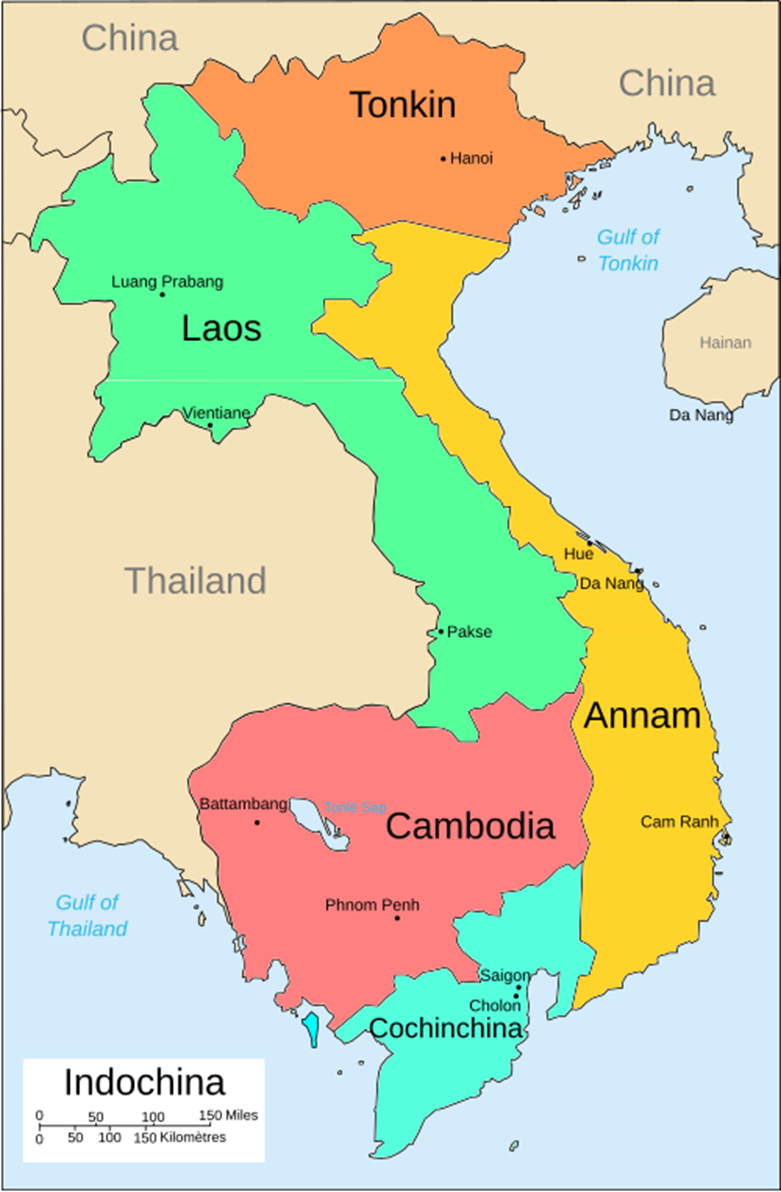
The story of rubber plantations in Cambodia is often overshadowed by neighboring Vietnam, where French colonial investments were larger and more heavily documented. Yet Cambodia played an important role in the expansion of natural rubber production across French Indochina.
If you enjoy Cambodian history, colonial heritage, or agricultural history, this article explores how the French introduced rubber cultivation to the Kingdom, why they considered Cambodia an ideal location, and how this industry left a lasting mark that remains visible today.
Why the French Were Looking for New Rubber-Producing Territories
At the beginning of the 20th century, the world was experiencing a rubber boom. The invention of pneumatic tires, the rapid growth of the automobile industry, and increasing industrialization created an almost insatiable demand for natural rubber.
Originally harvested from wild trees in the Amazon rainforest, rubber production gradually shifted to Southeast Asia after British botanists successfully transported seeds of Hevea brasiliensis from Brazil to botanical gardens in Asia.
The French colonial administration quickly realized that their territories in Indochina offered ideal conditions for commercial cultivation. While Vietnam became the primary focus, Cambodia possessed fertile volcanic soils, abundant rainfall, and large expanses of sparsely populated forest that seemed perfectly suited for plantations.
From a colonial perspective, Cambodia represented opportunity. From today’s perspective, it also represented a landscape that would be profoundly transformed.
The Arrival of Rubber Trees in Cambodia
The first experimental rubber plantations appeared in Cambodia during the first decade of the 20th century, with significant development beginning around 1910.
French agronomists conducted extensive studies to identify the most suitable regions. Their attention quickly turned toward the eastern provinces, particularly Kampong Cham, Kratie, Mondulkiri, and parts of what is now Tboung Khmum Province.
These areas offered several advantages.
Rich Volcanic Soil
The famous “red earth” of eastern Cambodia proved exceptionally fertile. Even today, visitors driving through Kampong Cham or Snoul immediately notice the distinctive reddish roads and fields, a clear sign of ancient volcanic activity.
Rubber trees thrive in these mineral-rich soils, which provide excellent drainage while retaining sufficient moisture during the rainy season.
A Favorable Climate
Cambodia’s tropical climate matched the needs of Hevea brasiliensis remarkably well.
Annual rainfall exceeded 1,500 millimeters in many plantation zones, while temperatures remained consistently warm throughout the year. Unlike areas affected by prolonged droughts, eastern Cambodia provided relatively stable growing conditions.
Nature, it seems, had already prepared the perfect greenhouse.
The Rise of Large Colonial Plantations
By the 1920s, rubber cultivation had become a strategic colonial industry.
Large French companies acquired vast concessions, sometimes covering tens of thousands of hectares. Forests were cleared, nurseries established, and carefully aligned rows of young rubber trees stretched toward the horizon.
Several major plantation companies emerged, including the Michelin group, which invested heavily throughout French Indochina.
Plantations functioned almost like self-contained towns. They included workers’ housing, workshops, schools, medical facilities, processing plants, and transport infrastructure connecting estates to river ports and eventually to railways.
The objective was simple.
Produce as much high-quality latex as possible for export to European industries.
Life on Cambodia’s Rubber Plantations
The elegant colonial villas that still survive on a few plantations tell only part of the story.
Life for plantation workers was considerably harder.
Thousands of Cambodian laborers, together with workers recruited from Vietnam, cleared forests, planted trees, collected latex, and maintained the estates. Work often began before sunrise to take advantage of the cooler temperatures during latex tapping.
Rubber tapping itself required remarkable precision.
A shallow diagonal cut had to be made in the bark without damaging the tree. Latex slowly flowed into small cups before being collected and transported to processing facilities where it was transformed into sheets or blocks for export.
Experienced tappers developed extraordinary skill. A careless cut could reduce production for years, while a well-maintained tree could remain productive for several decades.
Rubber and the Economy of French Cambodia
Rubber rapidly became one of Cambodia’s most valuable export products during the colonial period.
Although rice remained the backbone of the economy, rubber generated significant foreign revenue thanks to growing international demand.
The plantations also encouraged investment in infrastructure.
Roads improved to facilitate transportation between plantations and the Mekong River. Warehouses expanded. River ports became increasingly active as processed rubber was shipped toward Saigon before continuing to Europe.
For the colonial administration, rubber symbolized economic modernization.
For many rural communities, however, the benefits were less evenly distributed.
Environmental Consequences of Plantation Development
The creation of rubber plantations dramatically altered Cambodia’s natural landscapes.
Large sections of tropical forest disappeared to make room for orderly plantations. Wildlife habitats shrank, biodiversity declined, and ecosystems changed permanently.
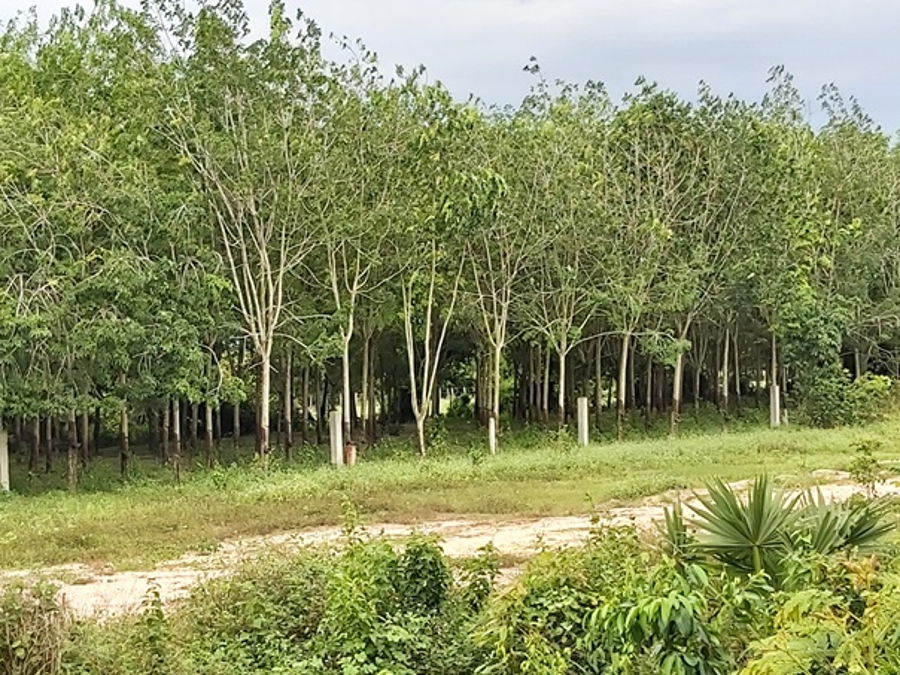
Unlike natural forests, rubber plantations consist largely of a single species planted in neat rows.
While visually striking, these monocultures support far fewer animal and plant species than the forests they replaced.
Even today, historians and environmental researchers continue to examine the long-term ecological consequences of this transformation.
Cambodia’s Rubber Industry After Independence
Following Cambodia’s independence in 1953, many plantations continued operating with relatively little interruption.
The situation changed dramatically during the decades of conflict that followed.
Civil war, political instability, and the Khmer Rouge period severely disrupted agricultural production. Many plantations were abandoned or suffered extensive damage.
Recovery began slowly during the late twentieth century.
Today, rubber remains an important agricultural export for Cambodia, although modern plantations include both state-owned operations and private investors from several countries.
Many historic estates established during the French colonial era continue producing latex, demonstrating the remarkable longevity of well-managed rubber trees.
Visiting Cambodia’s Historic Rubber Regions Today
Travelers exploring eastern Cambodia often encounter the legacy of this colonial industry.
Driving through Kampong Cham, Tbong Khmum, Kratie, or Mondulkiri reveals endless avenues of mature rubber trees forming green tunnels along quiet roads.
Early in the morning, it is still possible to observe rubber tapping, a practice that has changed surprisingly little over the past century.
Some former plantation buildings also survive, including elegant colonial houses, processing facilities, and administrative offices. Although not always open to visitors, they provide fascinating reminders of Cambodia’s place within the global rubber trade.
The contrast between colonial architecture, traditional villages, and endless plantations creates one of Cambodia’s most distinctive rural landscapes.
The Lasting Legacy of French Rubber Plantations
The French introduction of rubber plantations to Cambodia was driven by economics rather than philanthropy. Colonial administrators sought profit, global markets demanded raw materials, and Cambodia’s fertile eastern provinces appeared perfectly suited to meet that demand.
Yet history rarely follows a single narrative.
The plantations created employment and infrastructure while also transforming landscapes, reshaping rural communities, and leaving a complex colonial legacy that remains visible across eastern Cambodia. More than a century later, the orderly rows of rubber trees continue to tell a story of global commerce, botanical innovation, and the enduring relationship between people and the land.
Conclusion
Rubber plantations remain one of the most tangible reminders of Cambodia’s colonial past. Whether viewed through the lens of economic history, agriculture, or environmental change, they illustrate how a single crop could reshape an entire region. For travelers curious about Cambodia beyond its temples, the country’s historic rubber estates offer a remarkable journey into a lesser-known but deeply influential chapter of its history.
About the author
Pascal Médeville is a writer and digital publisher based in Cambodia. Passionate about the country’s history, heritage, culture, and lesser-known destinations, he specializes in producing engaging articles that help readers better understand the many wonders of Cambodia, from ancient civilizations to colonial landmarks and everyday rural life.