First published in 1979, Sideshow by William Shawcross exposed the secret war that shattered neutral Cambodia, a landmark for understanding the country’s modern history and its fractured place in global memory.
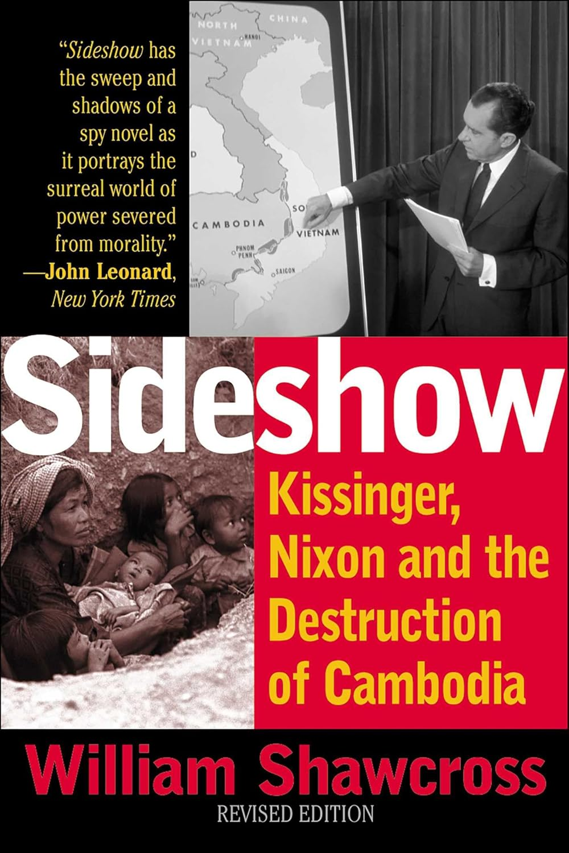
Imagine Cambodia in 1968: a largely rural kingdom of rice fields and pagodas, officially neutral yet already shadowed by distant thunder from American B‑52s across the border. A decade later, Phnom Penh had swollen into a desperate city of refugees, while the countryside was scarred by craters and revolution. Sideshow: Kissinger, Nixon and the Destruction of Cambodia is a landmark investigation into how U.S. decisions turned Cambodia from “sideshow” to epicenter of violence during the Indochina wars. By tracing the secret bombings, the 1970 invasion, and the diplomatic games around Prince Sihanouk and Lon Nol, Shawcross shaped how the world understands the collapse of Cambodian sovereignty and the road toward the Khmer Rouge era.
William Shawcross is a British journalist and writer who reported extensively on Indochina and U.S. politics in the 1970s, drawing on both Washington and regional sources. Writing Sideshow in the late 1970s, in the immediate aftermath of the Khmer Rouge regime and the Vietnamese intervention, he worked within a moment of raw global shock about Cambodia’s suffering and contested responsibility. That context pushed the book toward a sharp moral indictment of Nixon and Kissinger, emphasizing American culpability and sometimes relying heavily on refugee testimonies and Western diplomatic archives, with the biases and limitations those sources entail.
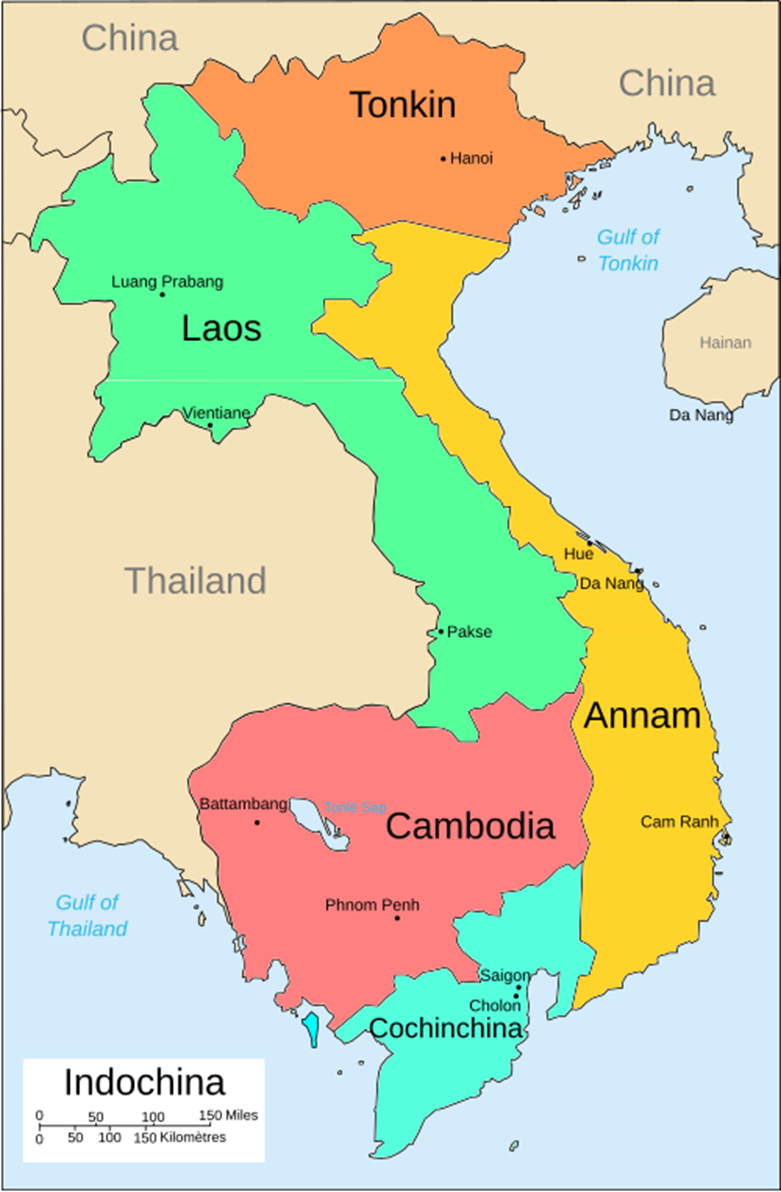
Sideshow is a substantial volume, originally around 467 pages, combining narrative chapters, maps, end‑paper chronologies, photographs, and a detailed cast of characters, notes, and bibliography. Shawcross structures his story from pre‑war Cambodia under Sihanouk through the secret bombings, coup, civil war, Khmer Rouge victory, and the Mayaguez incident, weaving archival material and interviews into a continuous history. Three themes stand out for Cambodia: the fragility of neutrality under superpower pressure, the destructive impact of aerial warfare on rural society, and the ways outsiders misread Khmer politics and culture. One striking passage reconstructs the transformation of Phnom Penh as peasants flee bombed provinces, turning a royal capital into a swollen refugee city on the brink of starvation. Another evokes villagers under B‑52 raids, where craters replace paddies, showing how “collateral damage” became a lived Cambodian landscape.
What made Sideshow distinctive was its pioneering focus on Cambodia itself rather than treating it as a mere appendix to Vietnam. Shawcross used newly accessible U.S. government documents, Freedom of Information requests, and hundreds of interviews to argue that Nixon and Kissinger’s policies helped unravel Cambodian society and politics. The book became a major work in Anglophone Cambodian studies, widely reviewed in venues such as The New York Review of Books and Foreign Affairs, and reissued in later paperback editions, making it accessible to students and general readers. Contemporary Cambodian and regional scholars often treat Sideshow as a starting point – valuable for documenting American decisions, but critiqued for its reliance on Western diplomatic perspectives and refugee narratives and for underplaying internal Cambodian dynamics and agency. Yet institutions like the Center for Khmer Studies still hold it in their libraries as a key text on the 1968-1975 period.
Today, Sideshow still speaks to debates on how global powers shape Cambodian heritage, tourism narratives, and national identity, especially around sites linked to war, bombing, and memory. Students, guides, documentary makers, artists, researchers, and curious visitors can all use it as a powerful – if partial – lens on the destruction and resilience of modern Cambodia. Reading it alongside newer Cambodian voices, we at Wonders of Cambodia find that its greatest value lies in forcing readers to ask who tells Cambodia’s story, and how Cambodians themselves might now rewrite this “sideshow” as central history.