(Estimated reading time: 7 minutes, just enough to travel through a full Khmer year without leaving your chair.)
The Cambodian lunar calendar quietly shapes festivals, rituals, and daily life across the Kingdom. Its months carry poetic names, seasonal clues, and deep religious meaning. This guide explores each lunar month, what it represents, and how it connects to Khmer traditions, from Pchum Ben to Khmer New Year, helping you better understand Cambodia’s cultural rhythm.
If you spend time in Cambodia, you quickly notice that dates do not always align with your phone’s calendar. Festivals shift, ceremonies follow the moon, and elders refer to months that seem unfamiliar. That is because Cambodia still relies heavily on its traditional lunar calendar (Khmer: ចន្ទគតិ), especially for religious and cultural events.
This article is for curious travelers, cultural enthusiasts, and content creators who want a clear and practical understanding of the Cambodian lunar calendar months. You will learn the names of each month, what they mean, and how they connect to key traditions. By the end, you will be able to follow the Khmer year with much more confidence.
Understanding the Cambodian Lunar Calendar
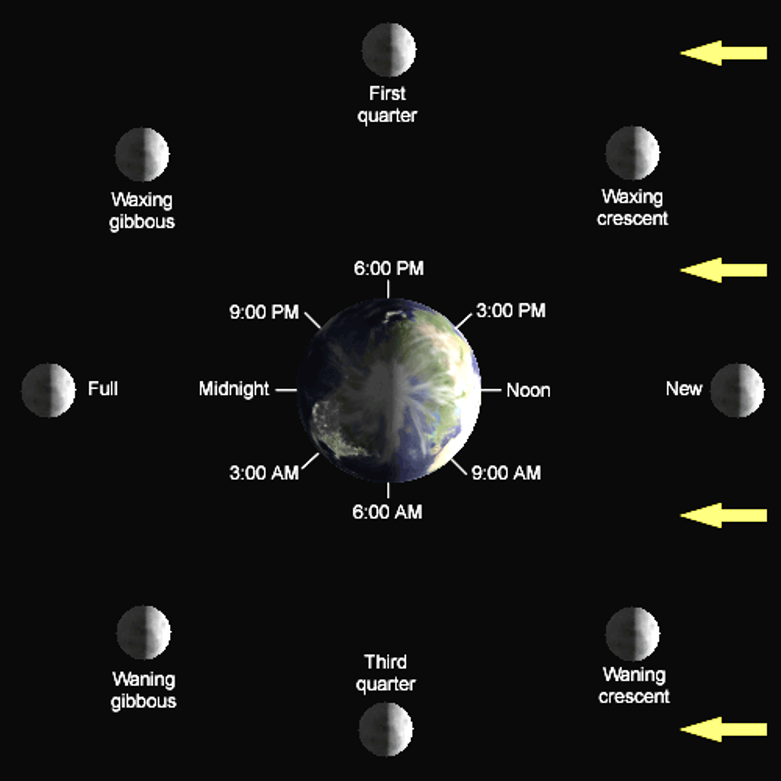
The Cambodian lunar calendaris a lunisolar system. It combines lunar cycles with solar adjustments to keep festivals aligned with the seasons.
Each month follows the phases of the moon, beginning with the new moon and ending with the full cycle. There are typically 12 months, but occasionally a leap month is added to maintain alignment with the solar year.
Months are divided into two fortnights:
- Kaeut កើត, the waxing moon
- Rôch រោច, the waning moon
In the Cambodian lunar calendar, months alternate between 30 and 29 days. A 30-day month is called ខែគូ (khae ku), while a 29-day month is known as ខែសេស (khae ses). As a result, a full year contains only 354 days.
To align with the solar calendar, an extra month, known as លើកខែ, is periodically added. Interestingly, this intercalary month is not new but a repetition of an existing one. Zhou Daguan noted that this was always the ninth month, which puzzled him (because in the Chinese lunar calendar, the leap month is different every leap year), but it is in fact the eighth month, Asadha.
Many important ceremonies take place on the 8th and 15th days of each phase, especially in Buddhist practice.
The 12 Months of the Cambodian Lunar Calendar
1. មិគសិរ (Migasira)
This month usually falls around November to December. It marks the transition into the cooler season.
Migasira is associated with harvest time and gratitude. The famous Water Festival, Bon Om Touk, usually occurs during this period, celebrating the reversal of the Tonle Sap River.
2. បុស្ស (Pussa)
Corresponding roughly to December to January, Pussa is one of the coolest months in Cambodia.
It is a relatively quiet period agriculturally, but spiritually active. Many people visit pagodas and prepare offerings as part of ongoing Buddhist observances.
3. មាឃ (Māgha)
Meak aligns with January to February and is an important religious month.
The Meak Bochea (Māgha pūjā) festival takes place during the full moon. It commemorates a spontaneous gathering of monks to hear the Buddha preach. Candlelit processions at temples create a peaceful and reflective atmosphere.
4. ផល្គុន (Phalguna)
This month spans February to March and signals the end of the dry season.
Temperatures begin to rise noticeably. It is a transitional period before the Khmer New Year preparations begin in earnest.
5. ចេត្រ (Chetra)
Chet corresponds to March to April and is one of the hottest times of the year.
This month leads directly into Khmer New Year, although the festival itself is based on the solar calendar. The heat is intense, and water becomes both a necessity and a symbolic element of cleansing.
6. ពិសាខ (Visakha)
Visakha falls around April to May and is one of the most sacred months in Buddhism.
Visak Bochea, celebrated on the full moon, honors the birth, enlightenment, and passing of the Buddha. It is a key moment for reflection and merit-making across Cambodia.
7. ជេស្ឋ (Jesdha)
Jesdha corresponds to May to June and marks the beginning of the rainy season.
Farmers prepare their fields, and the landscape begins to turn green again. The rhythm of rural life shifts significantly during this time.
8. អាសាឍ (also written អាសាធ, Asadha)
This month spans June to July and is deeply connected to monastic traditions.
Asadha Bochea commemorates the Buddha’s first sermon. It also marks the beginning of Vassa, the Buddhist Lent, when monks remain in their monasteries for three months.
During leap years, there are two asadha months : បឋមាសាឍ bâthâmasadha and ទុតិយាសាឍ tuteyasadha.
9. ស្រាពណ៍ (Srapon)
Srapon corresponds to July to August and continues the rainy season.
This is a period of increased religious devotion. Laypeople bring offerings to monks, strengthening the bond between communities and temples.
10. ភទ្របទ (Photrobot)
Photrobot spans August to September and is particularly significant.
It includes Pchum Ben, one of Cambodia’s most important festivals. Families honor their ancestors by offering food to monks, believed to transfer merit to the deceased.
11. អស្សុជ (Assoch)
This month falls around September to October.
The rains begin to ease, and agricultural work intensifies. It is a time of both physical labor and continued spiritual observance.
12. កត្តិក (Kattika)
Kattika corresponds to October to November and signals the end of the rainy season.
It includes the Kathen ceremony, where new robes are offered to monks. This month represents renewal and generosity within the Buddhist community.
Why the Lunar Months Still Matter Today
Despite the widespread use of the Gregorian calendar, the Cambodian lunar calendar remains an essential part of daily life and is still consistently used in dating many official documents.
It determines:
- Religious festivals and public holidays
- Auspicious dates for weddings and ceremonies
- Agricultural cycles in rural areas
- Temple activities and merit-making rituals
For travelers and content creators, understanding these months adds depth to any experience in Cambodia. You are no longer just attending a festival. You understand its timing, symbolism, and place in a larger cultural rhythm.
Practical Tips for Using the Cambodian Lunar Calendar
If you plan to write about Cambodia or travel across the country, a few simple habits can make a big difference.
- Check lunar dates for major festivals like Pchum Ben and Bon Om Touk, as they shift each year.
- Use local calendars, often available at markets or pagodas, which clearly display lunar days.
- Ask locals about important dates. They often refer to lunar days rather than Western ones.
- Align content planning with major festivals to capture seasonal interest and search trends.
For example, publishing an article on Pchum Ben a few weeks before Photrobot month can significantly boost relevance and traffic.
The Cambodian lunar calendar months are more than a traditional system. They are a living framework that shapes festivals, beliefs, and daily life across the country, offering a richer and more meaningful way to experience Cambodia.
Pascal Médeville is a writer and digital publisher based in Cambodia, where he runs the Wonders of Cambodia website. He focuses on Khmer culture, history, and traditions, helping readers understand the deeper meaning behind everyday life in the Kingdom.