Māgha Pūjā, one of the holiest Buddhist festivals, honors the Buddha’s teaching and the spiritual communion of his disciples. In Cambodia, this full-moon celebration blends solemn devotion and community warmth. Monks chant through candlelight processions, families make merit, and pagodas glow in every province. Discover how Cambodians observe this sacred day of mindfulness and unity.

Introduction
Each year, on the full moon of the third lunar month (usually in February), Cambodians gather to celebrate Māgha Pūjā, also known locally as Meak Bochea (Khmer: មឃបូជា). The festival marks a pivotal moment in Buddhist history and remains one of the most significant celebrations in Cambodia’s religious calendar.
This article explores what Māgha Pūjā means, how it’s celebrated across the country, and why it still holds deep relevance in modern Cambodian society. Whether you are a visitor seeking cultural understanding or a practitioner wanting to know more, you will discover the rituals, symbolism, and serene beauty of this full-moon observance.
The Origin and Meaning of Māgha Pūjā
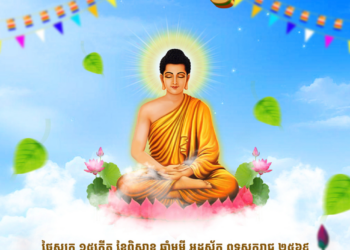
Māgha Pūjā commemorates a unique gathering in the Buddha’s lifetime. According to tradition, 1,250 arahants (enlightened monks) spontaneously assembled to hear the Buddha deliver the Ovada Patimokkha, a discourse summarizing the essence of Buddhist discipline and morality.
This event symbolized harmony in the Sangha (monastic community) and spiritual unity under the Buddha’s teachings. The occasion highlights three principles central to Buddhist life:
- Doing good (avoid all evil)
- Practicing virtue (cultivate good deeds)
- Purifying the mind
These teachings remain the moral compass of many Cambodian Buddhists today.
Māgha Pūjā in the Cambodian Context
In Cambodia, Māgha Pūjā — known as Meak Bochea Day — reflects more than religious observance. It also embodies cultural identity and national heritage. As Theravāda Buddhism forms the spiritual backbone of Cambodian life, this holiday brings together temples, families, and communities in common reflection.
Observed as a public holiday, Meak Bochea allows people across the country to visit pagodas, join merit-making ceremonies, and renew their commitment to moral living. Even non-Buddhists often take part in community activities out of respect for tradition.
Rituals and Symbolic Practices
From dawn onwards, Buddhist faithful flock to their local pagodas carrying offerings of food, fruits, incense, candles, and flowers. These are presented to monks as acts of dāna (generosity), believed to accumulate merit for this life and future ones.
Many Cambodians also reaffirm the Five Precepts on this day, pledging to avoid harming beings, stealing, lying, intoxicants, and sexual misconduct — renewing their moral discipline for the months ahead.

Candlelight Processions (Circumambulation)
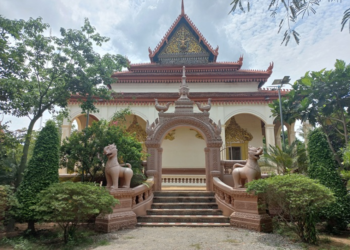
As the sun sets, pagodas radiate with hundreds of flickering candles. Monks and laypeople walk three times around the main shrine or ubosot, carrying candles, incense sticks, and lotus flowers. Each circuit represents respect for the Buddha, the Dhamma (his teachings), and the Sangha (monastic community).
This candlelit procession is one of the most beautiful sights of the Cambodian Buddhist year, symbolizing the light of wisdom dispelling ignorance.
Spiritual Meaning and Contemporary Relevance
For many, Māgha Pūjā is not only about ancient stories but also an invitation to live ethically and mindfully in daily life. The festival serves as a reminder to cultivate inner peace, gratitude, and compassion — values at the heart of both Buddhism and Cambodian culture.
In a fast-modernizing society, this sacred day helps reaffirm spiritual identity. Students and young professionals often use the occasion to participate in charity campaigns, temple clean-up projects, and intergenerational dialogues, bringing traditional values into contemporary life.
Pagodas and Local Styles of Celebration
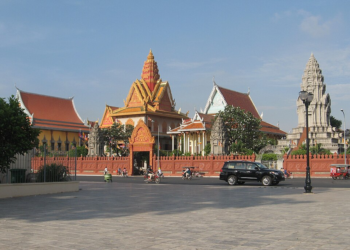
In Phnom Penh, large pagodas such as Wat Ounalom or Wat Langka host solemn ceremonies led by senior monks. These events draw large crowds and include sermons on the Ovada Patimokkha, followed by chanting and meditation sessions.
Candle processions in the capital create vivid spectacles of devotion along the riverfront and temple yards, attracting both locals and tourists.
In rural areas, Māgha Pūjā is more intimate. Families spend the day preparing offerings together, decorating the local pagoda, and inviting monks for house blessings. Some villages hold traditional music performances or recitations from the Jātaka stories — tales of the Buddha’s previous lives — linking moral lessons with community entertainment.
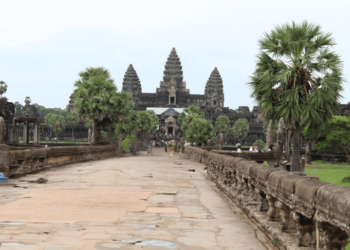
Temples near ancient sites like Angkor or Oudong often attract pilgrims who come to meditate and pay respects under the glowing full moon.

Comparisons with Regional Observances
Although celebrated across the Theravāda world—Thailand, Laos, and Myanmar—Cambodia’s Meak Bochea carries distinct local color. The language of chanting, the communal meal culture, and the integration of rural craftsmanship (such as offering trays woven from palm leaves) give the Cambodian festival its unique charm.
In Cambodia, the emphasis lies less on grand spectacle and more on collective humility and solidarity. It’s a day for quiet reflection and familial togetherness, rather than mere public ceremony.
Visiting Cambodia During Māgha Pūjā
For travelers, experiencing Meak Bochea Day offers a window into Cambodia’s living tradition. To fully appreciate it:
- Dress modestly when visiting temples. White clothing symbolizes purity.
- Join the procession quietly and mindfully — participation is usually welcome.
- Offer candles or flowers, but avoid intrusive photography during chanting.
- Plan ahead, as public institutions may close and transportation may be limited on the holiday.
The experience, however, is unforgettable — filled with calmness, smiling faces, and the serene glow of devotion under a tropical full moon.
Reflection: The Light of Mindfulness
The essence of Māgha Pūjā in Cambodia is unity—the connection between faith, morality, and the shared journey toward peace. In every village pagoda and city temple, this full-moon celebration draws people closer to the timeless teachings of the Buddha: live mindfully, act wisely, and cultivate compassion.
It’s more than a day of ritual — it’s a reminder that enlightenment begins with small acts of awareness and kindness in everyday life.
Sources & further reading / To know more
- Ministry of Cults and Religion (Cambodia) – Official information on Buddhist holy days and national observances.
- Buddhanet: Magha Puja – Overview of the festival’s historical context across the Theravāda world.
- UNESCO Intangible Cultural Heritage in Cambodia – Documentation of Buddhist ceremonies and their cultural significance.
- Cambodian Buddhism: History and Practice by Ian Harris – Scholarly insight into the country’s religious landscape.
- Local pagoda visits or interviews with monks – Direct accounts of how communities experience Meak Bochea today.
Māgha Pūjā in Cambodia stands as a luminous testament to Buddhist faith and cultural continuity. In its quiet processions, chants, and offerings, the Cambodian spirit finds renewal each lunar year—a reminder that the path to peace begins within the mindful heart.
Pascal Médeville is a writer and digital publisher specializing in Southeast Asian cultures, languages, and traditions. He manages several cultural websites, including projects on Cambodian history and Buddhism. His writing often explores the intersection of heritage, spirituality, and modern life in the region.