Wonders of Cambodia
  • Home
  • Culture
  • Cuisine
  • Tourism
  • Business
  • Life in Cambodia
  • 中文
  • ខ្មែរ
  • Français
  • Tiếng Việt
  • e-Books
No Result
View All Result
  • Home
  • Culture
  • Cuisine
  • Tourism
  • Business
  • Life in Cambodia
  • 中文
  • ខ្មែរ
  • Français
  • Tiếng Việt
  • e-Books
No Result
View All Result
Wonders of Cambodia
No Result
View All Result
Home Culture

Cambodian Lunar Calendar Months – Names, Meanings, and Cultural Significance

Pascal Medeville by Pascal Medeville
June 6, 2026
in Culture
Reading Time: 8 mins read
0

(Estimated reading time: 7 minutes, just enough to travel through a full Khmer year without leaving your chair.)

The Cambodian lunar calendar quietly shapes festivals, rituals, and daily life across the Kingdom. Its months carry poetic names, seasonal clues, and deep religious meaning. This guide explores each lunar month, what it represents, and how it connects to Khmer traditions, from Pchum Ben to Khmer New Year, helping you better understand Cambodia’s cultural rhythm.
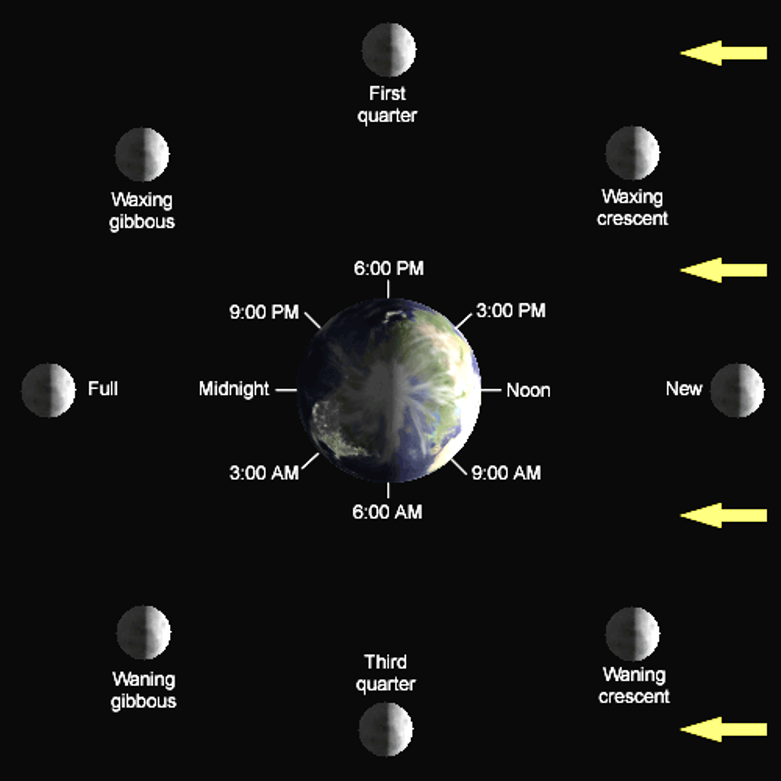
Diagram of lunar phases (The original uploader was Minesweeper at English Wikipedia., CC BY-SA 3.0)

Introduction

If you spend time in Cambodia, you quickly notice that dates do not always align with your phone’s calendar. Festivals shift, ceremonies follow the moon, and elders refer to months that seem unfamiliar. That is because Cambodia still relies heavily on its traditional lunar calendar (Khmer: ចន្ទគតិ), especially for religious and cultural events.

This article is for curious travelers, cultural enthusiasts, and content creators who want a clear and practical understanding of the Cambodian lunar calendar months. You will learn the names of each month, what they mean, and how they connect to key traditions. By the end, you will be able to follow the Khmer year with much more confidence.

Understanding the Cambodian Lunar Calendar

The Cambodian lunar calendar​is a lunisolar system. It combines lunar cycles with solar adjustments to keep festivals aligned with the seasons.

Each month follows the phases of the moon, beginning with the new moon and ending with the full cycle. There are typically 12 months, but occasionally a leap month is added to maintain alignment with the solar year.

Months are divided into two fortnights:

  • Kaeut កើត, the waxing moon
  • Rôch រោច, the waning moon

In the Cambodian lunar calendar, months alternate between 30 and 29 days. A 30-day month is called ខែគូ (khae ku), while a 29-day month is known as ខែសេស (khae ses). As a result, a full year contains only 354 days.

To align with the solar calendar, an extra month, known as លើក​ខែ, is periodically added. Interestingly, this intercalary month is not new but a repetition of an existing one. Zhou Daguan noted that this was always the ninth month, which puzzled him (because in the Chinese lunar calendar, the leap month is different every leap year), but it is in fact the eighth month, Asadha.

Many important ceremonies take place on the 8th and 15th days of each phase, especially in Buddhist practice.

The 12 Months of the Cambodian Lunar Calendar

1. មិគសិរ (Migasira)

This month usually falls around November to December. It marks the transition into the cooler season.

Migasira is associated with harvest time and gratitude. The famous Water Festival, Bon Om Touk, usually occurs during this period, celebrating the reversal of the Tonle Sap River.

2. បុស្ស (Pussa)

Corresponding roughly to December to January, Pussa is one of the coolest months in Cambodia.

It is a relatively quiet period agriculturally, but spiritually active. Many people visit pagodas and prepare offerings as part of ongoing Buddhist observances.

3. មាឃ (Māgha)

Meak aligns with January to February and is an important religious month.

The Meak Bochea (Māgha pūjā) festival takes place during the full moon. It commemorates a spontaneous gathering of monks to hear the Buddha preach. Candlelit processions at temples create a peaceful and reflective atmosphere.

4. ផល្គុន (Phalguna)

This month spans February to March and signals the end of the dry season.

Temperatures begin to rise noticeably. It is a transitional period before the Khmer New Year preparations begin in earnest.

5. ចេត្រ (Chetra)

Chet corresponds to March to April and is one of the hottest times of the year.

This month leads directly into Khmer New Year, although the festival itself is based on the solar calendar. The heat is intense, and water becomes both a necessity and a symbolic element of cleansing.

6. ពិសាខ (Visakha)

Visakha falls around April to May and is one of the most sacred months in Buddhism.

Visak Bochea, celebrated on the full moon, honors the birth, enlightenment, and passing of the Buddha. It is a key moment for reflection and merit-making across Cambodia.

7. ជេស្ឋ (Jesdha)

Jesdha corresponds to May to June and marks the beginning of the rainy season.

Farmers prepare their fields, and the landscape begins to turn green again. The rhythm of rural life shifts significantly during this time.

8. អាសាឍ (also written អាសាធ, Asadha)

This month spans June to July and is deeply connected to monastic traditions.

Asadha Bochea commemorates the Buddha’s first sermon. It also marks the beginning of Vassa, the Buddhist Lent, when monks remain in their monasteries for three months.

During leap years, there are two asadha months : បឋមាសាឍ bâthâmasadha and ទុតិយាសាឍ tuteyasadha.

9. ស្រាពណ៍ (Srapon)

Srapon corresponds to July to August and continues the rainy season.

This is a period of increased religious devotion. Laypeople bring offerings to monks, strengthening the bond between communities and temples.

10. ភទ្របទ (Photrobot)

Photrobot spans August to September and is particularly significant.

It includes Pchum Ben, one of Cambodia’s most important festivals. Families honor their ancestors by offering food to monks, believed to transfer merit to the deceased.

11. អស្សុជ (Assoch)

This month falls around September to October.

The rains begin to ease, and agricultural work intensifies. It is a time of both physical labor and continued spiritual observance.

12. កត្តិក (Kattika)

Kattika corresponds to October to November and signals the end of the rainy season.

It includes the Kathen ceremony, where new robes are offered to monks. This month represents renewal and generosity within the Buddhist community.

Why the Lunar Months Still Matter Today

Despite the widespread use of the Gregorian calendar, the Cambodian lunar calendar remains an essential part of daily life and is still consistently used in dating many official documents.

It determines:

  • Religious festivals and public holidays
  • Auspicious dates for weddings and ceremonies
  • Agricultural cycles in rural areas
  • Temple activities and merit-making rituals

For travelers and content creators, understanding these months adds depth to any experience in Cambodia. You are no longer just attending a festival. You understand its timing, symbolism, and place in a larger cultural rhythm.

Practical Tips for Using the Cambodian Lunar Calendar

If you plan to write about Cambodia or travel across the country, a few simple habits can make a big difference.

  • Check lunar dates for major festivals like Pchum Ben and Bon Om Touk, as they shift each year.
  • Use local calendars, often available at markets or pagodas, which clearly display lunar days.
  • Ask locals about important dates. They often refer to lunar days rather than Western ones.
  • Align content planning with major festivals to capture seasonal interest and search trends.

For example, publishing an article on Pchum Ben a few weeks before Photrobot month can significantly boost relevance and traffic.

Conclusion

The Cambodian lunar calendar months are more than a traditional system. They are a living framework that shapes festivals, beliefs, and daily life across the country, offering a richer and more meaningful way to experience Cambodia.

About the author

Pascal Médeville is a writer and digital publisher based in Cambodia, where he runs the Wonders of Cambodia website. He focuses on Khmer culture, history, and traditions, helping readers understand the deeper meaning behind everyday life in the Kingdom.


Don’t miss our upcoming articles!

We don’t spam!

Check your INBOX or SPAM folder to confirm your subscription.

Tags: Buddhist calendar CambodiaCambodian festivalsCambodian lunar calendarCambodian TraditionsKhmer calendar monthsKhmer CultureKhmer New YearPchum Ben
ShareTweet
Previous Post

Picture of the day: Silver Pumpkin Betel Box from Cambodia

Next Post

Picture of the day: Beef Tripe with Fermented Fish Dip – A Rustic Cambodian Feast

Pascal Medeville

Pascal Medeville

Author of the blog Wonders of Cambodia, I share my passion for Cambodia through stories, cultural insights, and personal reflections on the country. I'm also the founder of Simili Consulting, where we provide high-quality, professional translation services to international clients.

Related Posts

Two halves of a ripe red-fleshed dragon fruit on a white plate, showing vibrant magenta flesh dotted with tiny black seeds, with whole dragon fruits in the background.
Cuisine

Dragon Fruit in Cambodia: A Complete Guide to the Kingdom’s Vibrant Superfruit

July 19, 2026
Rows of mature rubber trees in a plantation in Tbong Khmum Province, Cambodia, with a dirt road in the foreground and green vegetation surrounding the estate
History

French Introduction of Rubber Plantations to Cambodia: How Colonial Ambition Changed the Kingdom’s Landscape

July 19, 2026
Stone pyramid temple of Prasat Thom at Koh Ker, Cambodia, seen from the front with steep central stairway and green vegetation covering its tiers.
History

Who’s Who: Jayavarman IV, The King Who Moved Angkor

July 18, 2026
Kai Yuan Tong Bao (開元通寶) Tang dynasty copper‑alloy cash coins, heavily corroded, shown at high magnification in two paired front‑and‑back views with square central holes and partially legible Chinese characters, to document examples found at Angkor
History

History: Chinese Coins Reveal Hidden Stories of Angkor

July 18, 2026
AI‑generated scene of a person forcefully mixing fermented fish paste in a huge clay jar, splashes flying, in front of an ornate, weathered Cambodian village structure
Proverbs

Proverb: When you reach into prahok, reach to the armpit

July 15, 2026
Sandstone lintel at Prasat Neang Khmao in Takeo, Cambodia, showing a central mythic face flanked by naga bodies, floral scrolls, and tiny seated figures above, carved in 10th century Khmer Koh Ker style on a brick temple façade.
Architecture

Picture of the day: Radiant Lintel of Prasat Neang Khmao

July 19, 2026
Next Post
Close-up of a Cambodian meal featuring sliced boiled beef tripe on a floral plate, served with a bowl of prahok fermented fish dipping sauce topped with red chilies and a separate plate of fresh green herbs and vegetables on a wooden table.

Picture of the day: Beef Tripe with Fermented Fish Dip – A Rustic Cambodian Feast

  • Trending
  • Comments
  • Latest
The French Protectorate of Cambodia (1863–1953): An Overview

The French Protectorate of Cambodia (1863–1953): An Overview

July 13, 2025
The Franco-Siamese Treaty of 23 March 1907: Borders, Politics, and the Return of Angkor

The Franco-Siamese Treaty of 23 March 1907: Borders, Politics, and the Return of Angkor

February 11, 2026
Cambodian-Vietnamese War (1978-1989)

Cambodian-Vietnamese War (1978-1989)

July 13, 2025
The Legend of Preah Ko Preah Keo: Guardians of Cambodia’s Lost Treasures

The Legend of Preah Ko Preah Keo: Guardians of Cambodia’s Lost Treasures

February 23, 2026
Kampot Province

Takeo Province: A Cradle of Cambodian History and Culture

3
Kratié Town on the Mekong: Colonial Echoes, River Life, and Irrawaddy Dolphins

Kratié Town on the Mekong: Colonial Echoes, River Life, and Irrawaddy Dolphins

3
Banteay Meanchey Province: A Gateway to Cambodia’s Rich Heritage

Banteay Meanchey Province: A Gateway to Cambodia’s Rich Heritage

2
Stung Treng Province: The Gateway to Cambodia’s Northern Wilderness

Stung Treng Province: The Gateway to Cambodia’s Northern Wilderness

2
កាក់ស្ពាន់លាយ Kai Yuan Tong Bao (開元通寶) សម័យរាជវង្សថាង ដែលមានសភាពពុកផុយយ៉ាងខ្លាំង ត្រូវបានថតបង្ហាញក្នុងទម្រង់ពង្រីកធំ ជារូបភាពពីរទន្ទឹមគ្នាបង្ហាញទាំងផ្នែកមុខ និងផ្នែកក្រោយ ដោយកាក់មានរន្ធរាងការ៉េនៅកណ្តាល និងអក្សរចិនដែលនៅសេសសល់អាចអានបានខ្លះៗ ដើម្បីបង្ហាញជាគំរូនៃកាក់ដែលបានរកឃើញនៅអង្គរ។

ប្រវត្តិសាស្ត្រ៖ កាក់ចិនបង្ហាញរឿងរ៉ាវអាថ៌កំបាំងរបស់អង្គរ

July 21, 2026
View of Phnom Neang Kangrei mountains reflected across a tranquil lake in Kampong Chhnang, Cambodia, under an overcast morning sky.

Picture of the day: Phnom Neang Kangrei, Kampong Chhnang

July 21, 2026
Sandstone lintel at Prasat Neang Khmao in Takeo, Cambodia, showing a central mythic face flanked by naga bodies, floral scrolls, and tiny seated figures above, carved in 10th century Khmer Koh Ker style on a brick temple façade.

Wonders of Cambodia – Pictures of the Week: Flavors, Heritage and Everyday Beauty (July 13th~July 19th, 2026)

July 20, 2026
出土于吴哥遗址的唐代开元通宝铜钱样本,展示正反两面。钱币为圆形方孔铜钱,表面磨损和锈蚀较为明显,部分铭文仍可辨认,为研究唐代中国与吴哥王朝之间的贸易和文化交流提供了重要考古证据。

吴哥出土的中国古钱币,揭开了一个鲜为人知的历史真相

July 20, 2026

Recent News

កាក់ស្ពាន់លាយ Kai Yuan Tong Bao (開元通寶) សម័យរាជវង្សថាង ដែលមានសភាពពុកផុយយ៉ាងខ្លាំង ត្រូវបានថតបង្ហាញក្នុងទម្រង់ពង្រីកធំ ជារូបភាពពីរទន្ទឹមគ្នាបង្ហាញទាំងផ្នែកមុខ និងផ្នែកក្រោយ ដោយកាក់មានរន្ធរាងការ៉េនៅកណ្តាល និងអក្សរចិនដែលនៅសេសសល់អាចអានបានខ្លះៗ ដើម្បីបង្ហាញជាគំរូនៃកាក់ដែលបានរកឃើញនៅអង្គរ។

ប្រវត្តិសាស្ត្រ៖ កាក់ចិនបង្ហាញរឿងរ៉ាវអាថ៌កំបាំងរបស់អង្គរ

July 21, 2026
View of Phnom Neang Kangrei mountains reflected across a tranquil lake in Kampong Chhnang, Cambodia, under an overcast morning sky.

Picture of the day: Phnom Neang Kangrei, Kampong Chhnang

July 21, 2026
Sandstone lintel at Prasat Neang Khmao in Takeo, Cambodia, showing a central mythic face flanked by naga bodies, floral scrolls, and tiny seated figures above, carved in 10th century Khmer Koh Ker style on a brick temple façade.

Wonders of Cambodia – Pictures of the Week: Flavors, Heritage and Everyday Beauty (July 13th~July 19th, 2026)

July 20, 2026
出土于吴哥遗址的唐代开元通宝铜钱样本,展示正反两面。钱币为圆形方孔铜钱,表面磨损和锈蚀较为明显,部分铭文仍可辨认,为研究唐代中国与吴哥王朝之间的贸易和文化交流提供了重要考古证据。

吴哥出土的中国古钱币,揭开了一个鲜为人知的历史真相

July 20, 2026
Wonders of Cambodia

Exploring Culture, Nature, and Spirit in the Land of Wonder.

Follow Us

Browse by Category

  • Architecture
  • Architecture
  • Art
  • Books
  • Business
  • Business
  • Cinema
  • Costume
  • Costume
  • Cuisine
  • Culture
  • Defense
  • Du lịch
  • e-Books
  • Education
  • Expat life
  • Fauna
  • Festival
  • Flora
  • Food providers
  • Français
  • Geography
  • Handicraft
  • Health
  • Histoire
  • History
  • Hotels
  • Khmer Stories
  • Khmer stories
  • Knowledge
  • Language
  • Last posts
  • Lịch sử
  • Life in Cambodia
  • Literature
  • Meet the neigbhors
  • Music
  • Pictures
  • Politics
  • Population
  • Press review
  • Professional services
  • Proverbs
  • Reference
  • Reference
  • Religion
  • Restaurants
  • Temples
  • Textile
  • Tiếng Việt
  • Tourism
  • Tourisme
  • Transport
  • Uncategorized
  • Vidéo
  • Video
  • Vie quotidienne
  • Who's who
  • ខ្មែរ
  • ទេសចរណ៍៖
  • បគ្គលល្បី
  • ប្រវត្តិសាស្ត្រោ
  • សៀវភៅ
  • 中文
  • 书籍
  • 历史
  • 商业
  • 旅游
  • 生活

Recent News

កាក់ស្ពាន់លាយ Kai Yuan Tong Bao (開元通寶) សម័យរាជវង្សថាង ដែលមានសភាពពុកផុយយ៉ាងខ្លាំង ត្រូវបានថតបង្ហាញក្នុងទម្រង់ពង្រីកធំ ជារូបភាពពីរទន្ទឹមគ្នាបង្ហាញទាំងផ្នែកមុខ និងផ្នែកក្រោយ ដោយកាក់មានរន្ធរាងការ៉េនៅកណ្តាល និងអក្សរចិនដែលនៅសេសសល់អាចអានបានខ្លះៗ ដើម្បីបង្ហាញជាគំរូនៃកាក់ដែលបានរកឃើញនៅអង្គរ។

ប្រវត្តិសាស្ត្រ៖ កាក់ចិនបង្ហាញរឿងរ៉ាវអាថ៌កំបាំងរបស់អង្គរ

July 21, 2026
View of Phnom Neang Kangrei mountains reflected across a tranquil lake in Kampong Chhnang, Cambodia, under an overcast morning sky.

Picture of the day: Phnom Neang Kangrei, Kampong Chhnang

July 21, 2026
  • About Us
  • Advertise
  • Privacy & Policy
  • Contact Us

© 2025 - Made with 💫 by TechFlow.

No Result
View All Result
  • Home
  • Culture
  • Cuisine
  • Tourism
  • Business
  • Life in Cambodia
  • 中文
  • ខ្មែរ
  • Français
  • Tiếng Việt
  • e-Books

© 2025 - Made with 💫 by TechFlow.