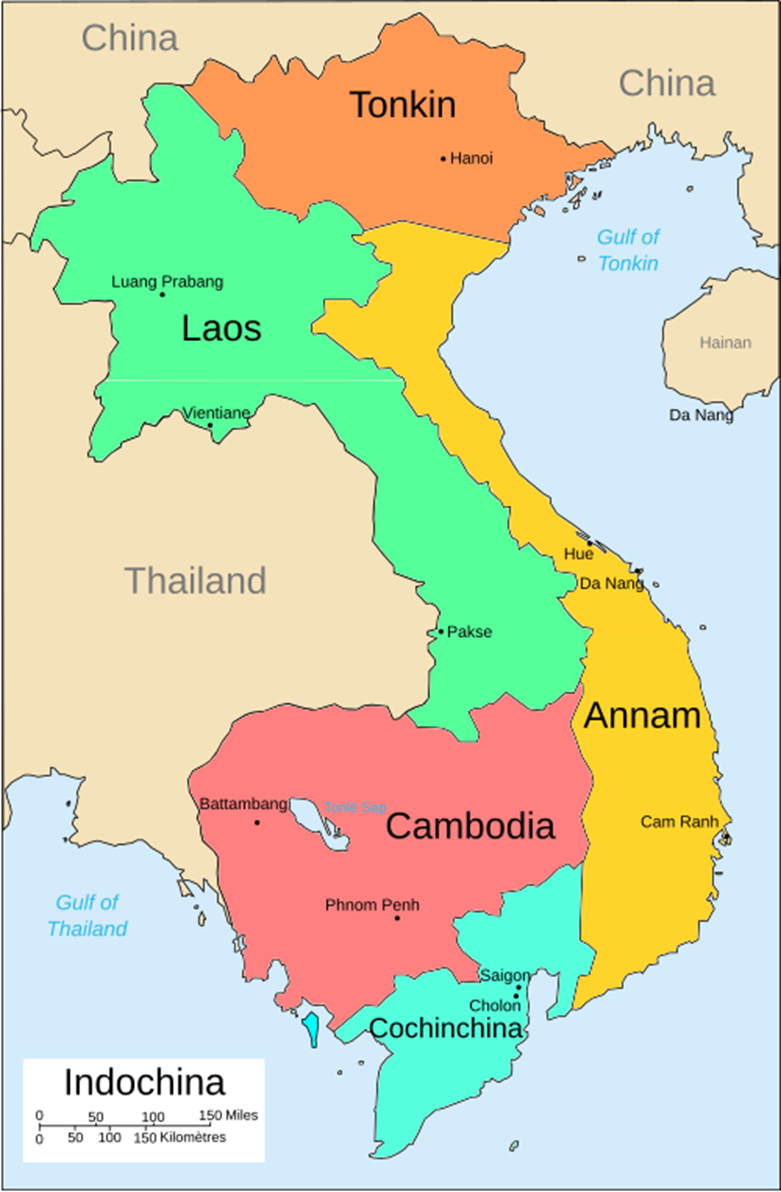
François Bizot’s memoir, “The Gate,” stands apart as a penetrating and deeply personal account of Cambodia’s darkest years during the Khmer Rouge regime. As a French ethnologist with a profound respect for Cambodian Buddhism and culture, Bizot’s journey began long before calamity struck. Immersed in local customs and language, he became an unusual insider among Cambodians, a position that would later shape his extraordinary experience and testimony.

In 1971, Bizot was unexpectedly captured by Khmer Rouge guerrillas while conducting fieldwork in a remote village. Suspected of espionage, he was taken to a jungle prison, where he spent three harrowing months under constant threat of execution. The memoir’s tension is sharpened by the ambiguity of his fate and the shadow of violence lurking over every interaction.
Central to “The Gate” is Bizot’s evolving relationship with his chief interrogator, Douch, later notorious as the head of the infamous Tuol Sleng torture center in Phnom Penh. Their candid philosophical dialogues—sometimes chillingly rational and other times disturbingly intimate—reflect Bizot’s ongoing struggle to comprehend how revolution and idealism could give way to such unfathomable cruelty. Douch, with his intellectual passion and icy logic, emerges as a tragic enigma: the man who ultimately argues for Bizot’s release will later preside over mass murder. Bizot narrates these encounters with frankness and sorrow, searching for human meaning within inhuman events.
The memoir’s second act unfolds behind the gates of the French Embassy in Phnom Penh as Khmer Rouge forces take control of the capital. There, Bizot becomes a reluctant intermediary between Cambodian fugitives desperate for sanctuary and the new regime’s hard-faced soldiers. The embassy gate, after which the book is named, becomes a haunting symbol—separating salvation and doom, illuminating the randomness and brutality of survival in revolutionary times.
Bizot’s writing is marked by bitter clarity and emotional honesty. He brings to life not only the horrors and pressures of captivity, but also fleeting moments of dignity, kindness, and betrayal. The fate of his Cambodian colleagues, his deep concern for his daughter, and the moral compromises imposed by crisis fill the story with an enduring sense of loss and moral ambiguity.
“The Gate” offers more than mere survival narrative; it explores the psychological landscapes of memory, fear, and complicity. Bizot’s perspective, shaped by his dual roles as anthropologist and captive, grounds the memoir in both reflective analysis and acute personal pain. The book’s greatest power lies in its refusal to simplify or absolve: Bizot confronts the contradictions of those who participated in evil, recognizing the human frailty in both his captors and himself.
Through elegant, unflinching prose, Bizot draws the reader into Cambodia’s nightmare and asks what it means to bear witness. “The Gate” stands as a modern classic, a profound meditation on historical trauma, moral complexities, and the haunting costs of survival.
Publisher Knopf Doubleday Publishing Group
Publish Date January 06, 2004
Pages 304
Language English
Type Paperback / softback
EAN/UPC 9780375727238
Dimensions 8.0 X 5.2 X 0.8 inches | 0.6 pounds
Buy François Bizot’s “The Gate” paperback.
Buy François Bizot’s “The Gate” ebook.