
In the Wake of Empires
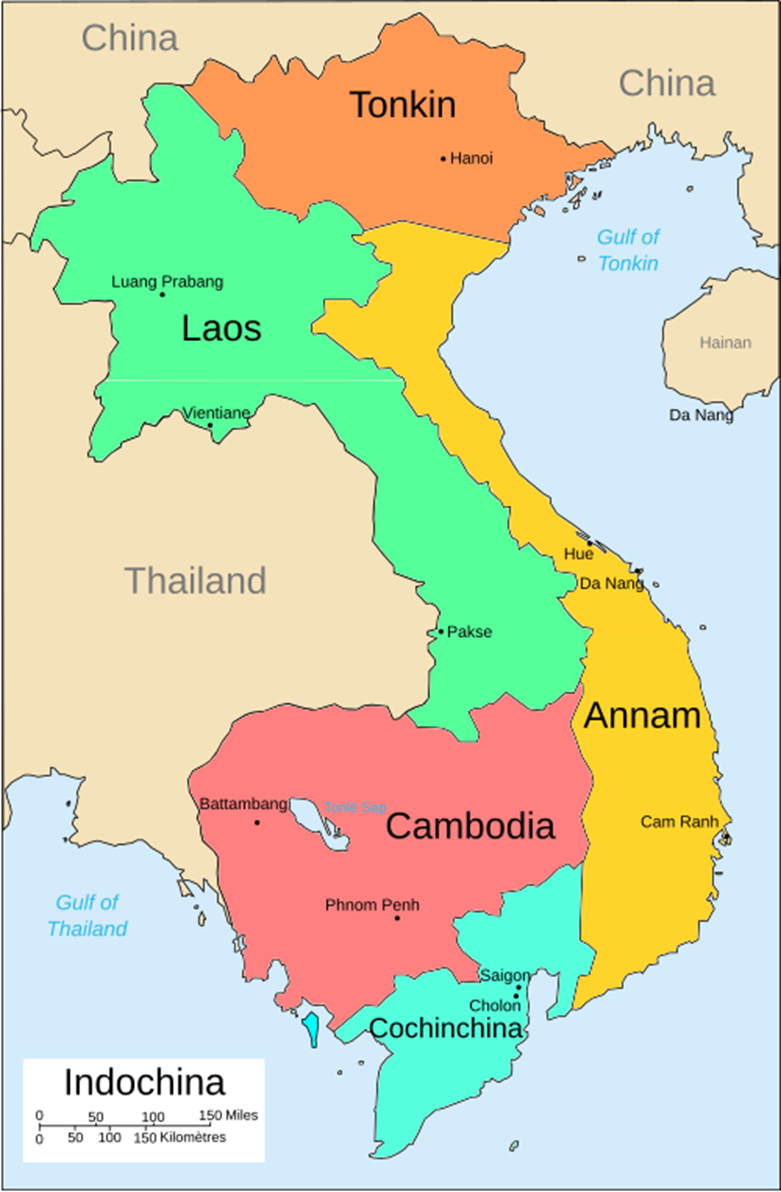
In the monsoon-soaked heart of mainland Southeast Asia, where rivers entwine the fate of civilizations, the Cham people (Khmer: ជនជាតិចាម) once flourished as seafarers, traders, and architects of vanished realms. Their homeland—stretching along the windswept coast of central and southern Vietnam—served as the stage for the Kingdom of Champa, a polity born from the dances of the Monsoon and the ambitions wedged between the Khmer and Vietnamese spheres.
The Maritime Lords
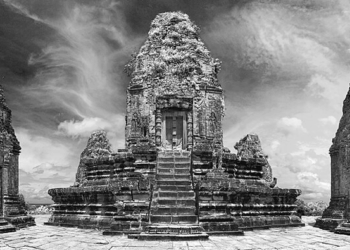
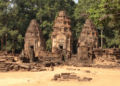
Tracing their roots to Austronesian migration, the Cham constructed a maritime empire whose ships ferried spices, silk, and ceramics from India and China to distant Malayo-Polynesian ports. Temples soared at Mỹ Sơn and Po Nagar, shimmering with the tales of Shiva, offering testament to the Cham’s syncretic embrace of Hindu deities, Islamic saints, and ancestral spirits. Their writing, carved in stone and woven into palm leaf manuscripts, echoes with the heartbeat of an oceanic world always in flux.
Conquest, Diaspora, and Survival
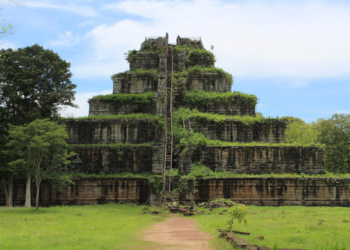
Between the 15th and 19th centuries, Champa’s tides receded under the inexorable advance of Vietnamese and Khmer kingdoms. Devastating wars transformed fertile plains into silent tombs. Cham communities, forced into diaspora, found sanctuary in Cambodia, Malaysia, and beyond, nurturing resilient networks of identity and tradition. Their monuments—some now ringed by rice paddies and others hidden beneath the dust of state highways—are reminders of a submerged history, present yet invisible.
Memory and Cultural Resistance
Today, Cham voices reverberate in markets, mosques, and classrooms, shaping daily life from the Mekong Delta to Malaysian kampongs. Their language, music, and script struggle against the crosscurrent of assimilation, carrying ancestral memories and untold histories. The Cham people—guardians of a drowned kingdom—embody the fragile persistence of cultural identity amid sweeping historical currents.
To write of the Cham is to sift the salt from the tidewaters, searching for fragments of memory, striving for the clarity of history in lands forever haunted by impermanence.