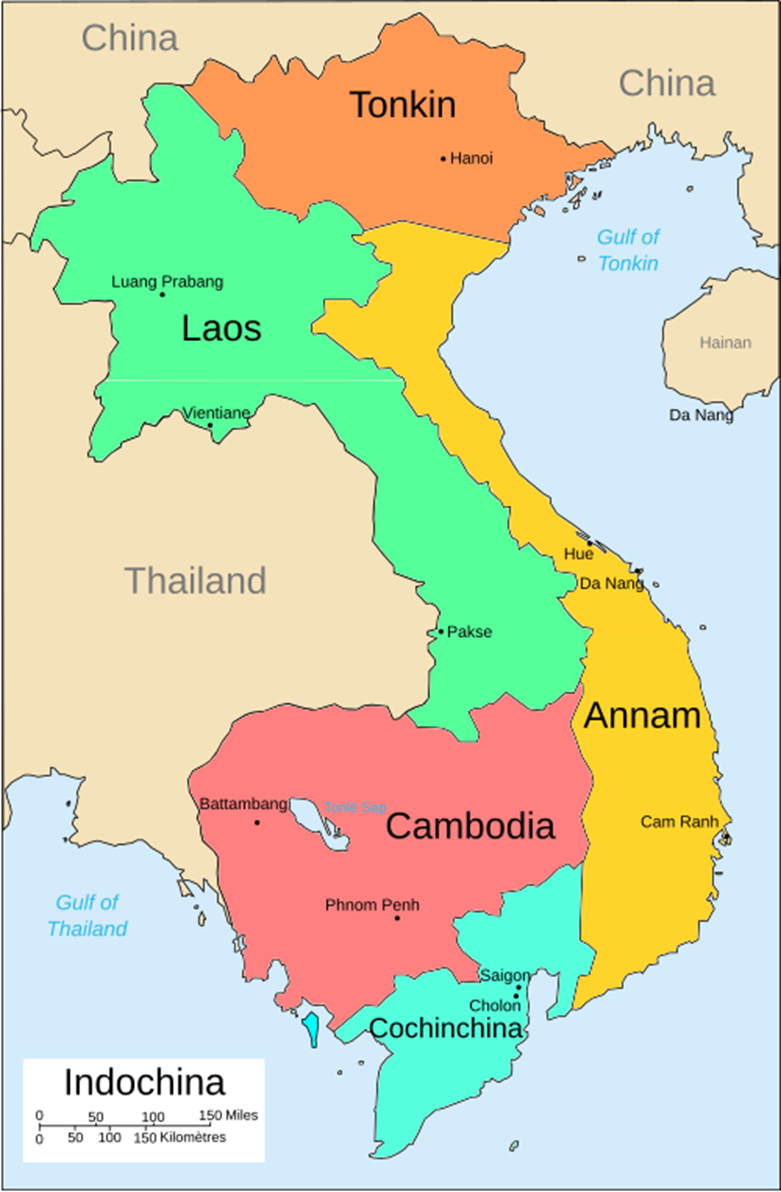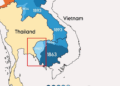
Signed in February 1904 between France and Siam (now Thailand), the Franco–Siamese Treaty of 1904 marked a pivotal moment in Southeast Asia’s colonial century. With both colonial and indigenous representatives gathered in Paris, the agreement attempted to settle generations of rivalry, rivalry built on shifting riverbanks, mountain watersheds, and old imperial memories. At its core, the treaty redrew the boundary lines between Siam and territories then claimed by French Indochina—a move that would carve out much of what is now the modern border between Cambodia and Thailand.

For Siam, the treaty meant ceding further stretches of territory on the right bank of the Mekong and formally conceding influence in much of Laos and northwestern Cambodia. In return, Siam received French commitments on sovereignty and the promise to halt further encroachment, at least for a time. The treaty also included provisions granting extraterritorial rights to French citizens in Siam, reflecting the colonial era’s imbalances of power—an uncomfortable reality that shaped Thailand’s modern menu of national myths and grievances.
While drily legalistic in its tone, the 1904 treaty’s real legacy played out on the ground: rural communities suddenly bisected by new borders, ancient monuments and temples—like Preah Vihear—consigned to one nation or another based on distant, foreign decisions. The impact, especially along the Dangrek mountains, lingers today. Much of the later border friction, cultural anxiety, and even armed clashes between Cambodia and Thailand trace their roots to the compromises and ambiguities left by this agreement.
For Cambodia and its people, the treaty forms part of a larger history of loss and recovery, with the subsequent 1907 treaty returning the Angkor heartland to Khmer control. Together, these colonial-era documents reveal how lines drawn in French and Siamese offices transformed the fate of kingdoms, cultures, and everyday farmers, far from the negotiation tables of Paris.