The Khmer people (ជនជាតិខ្មែរ), forming the vast ethnic majority in Cambodia (more than 90%), are central to the story of Southeast Asia’s culture and civilization. With roots reaching back thousands of years, the Khmer shaped and sustained one of the region’s most impressive civilizations and continue to infuse modern Cambodia with pride and tradition.

Ancient Origins and Empire
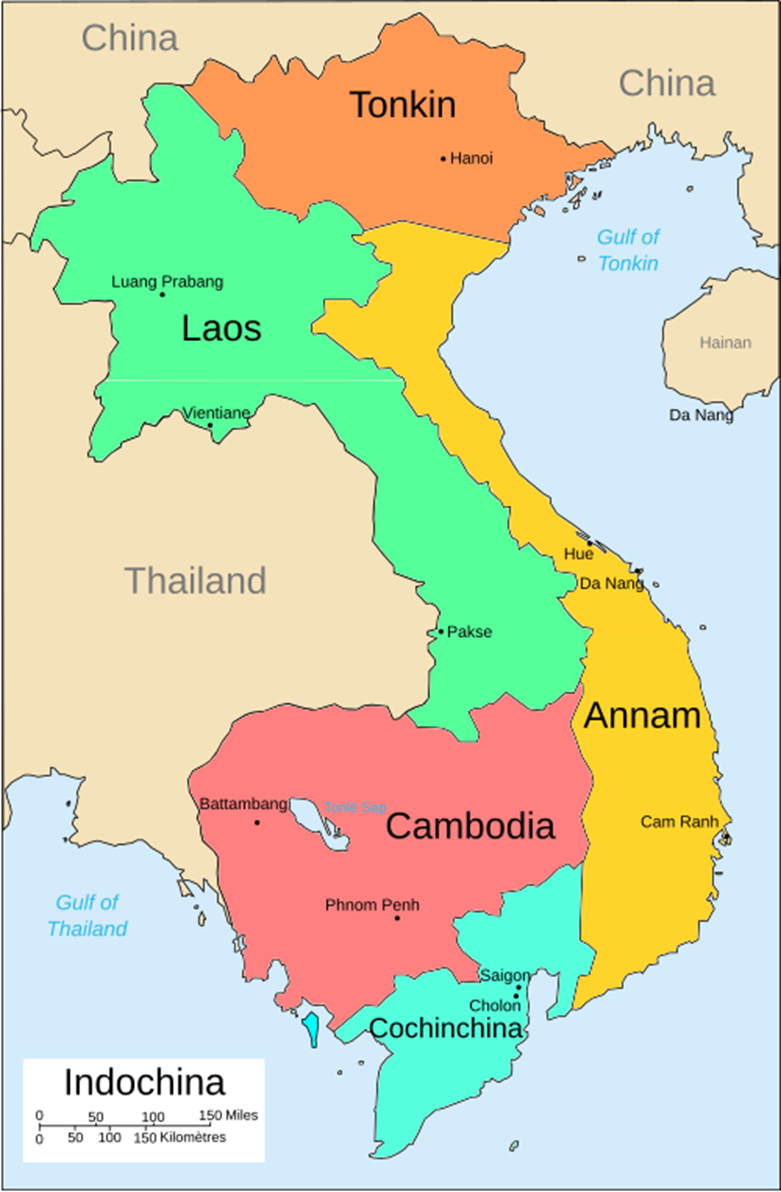
The history of the Khmer begins with ancient settlements in the Mekong basin, where early civilizations—most notably Funan and Chenla—laid the groundwork for what would become the Khmer Empire. By the 9th century, Jayavarman II unified disparate kingdoms to establish a powerful state that spanned from the heartlands of Cambodia outward into present-day Thailand, Laos, and Vietnam.
The Khmer Empire’s crowning achievement was the construction of Angkor, a metropolis at its height with a population rivaling any medieval city globally. Angkor Wat, the world’s largest religious monument, remains an architectural wonder and enduring symbol of Khmer ingenuity.
The empire’s hydraulic engineering was equally impressive. Vast networks of canals and reservoirs, some still in use today, made rice cultivation highly productive and sustained a complex urban civilization for centuries.
Kings, Castes, and Religion
Khmer kings ruled as both secular monarchs and divine incarnations, a tradition borrowed and adapted from Indian models. Society was hierarchical, with nobility, priests, artisans, peasants, and slaves all playing distinct roles. The royal cult of the devaraja, or “god-king,” legitimized the authority of rulers as living gods on earth.
The early Khmer adopted Hinduism, reflected in the temples and stone inscriptions of Angkor, blending Indian deities and myths with local beliefs. After the 13th century, Theravāda Buddhism became dominant, merging with ancient animistic practices and continuing to shape spiritual life. Today, monks, wats (temples), and Buddhist festivals are central features of every Khmer community.
Daily Life and Society
The rhythm of daily life for most Khmer revolves around the land and water. Rice farming remains the backbone of the economy and culture; the annual cycle of preparation, planting, and harvest dictates village life. Fish from the great Tonle Sap lake and Mekong River are staple foods, supplemented by vegetables, fruits, and livestock.
Traditional Khmer houses are built of wood with raised floors, their thatched or tiled roofs sloping to shed the rains. Extended families often live close by, fostering strong community ties and mutual support.
Rural life proceeds much as it has for centuries, with local markets, communal celebrations, and village festivals. However, urban migration is steadily increasing, as the younger generation seeks opportunities in Phnom Penh and other cities.
Resilience Through Adversity
Khmer history is not only a record of grandeur but also of survival. Following the fall of Angkor in the 15th century, Cambodia endured centuries of conflict, foreign invasions, and loss of territory. Colonization by France in the 19th century and the tragic era of the Khmer Rouge in the 20th century tested the nation’s endurance. The genocide and social upheaval of the 1970s left scars that have only slowly healed.
Despite this, the Khmer people rebuilt their communities and reclaimed traditions. The revival of Buddhist institutions, restoration of monuments, and resurgence of arts and festivals mark the resilience at the heart of Khmer identity.
Language, Arts, and Culture
The Khmer language, with its own script derived from ancient Brahmi characters, is one of Southeast Asia’s literary treasures. Folk tales, proverbs, and epics such as the Reamker flow from generation to generation, preserving wisdom and values.
Khmer classical dance, with its elegant gestures and ornate costumes, embodies the grace of the Angkor courts and remains a cherished art form alongside traditional music, stone carving, and silk weaving.
Cuisine, too, showcases an inventive spirit, with aromatic curries, sour soups, and fish dishes prepared with local herbs, coconut, and fermented sauces.
Family, Values, and Modern Change
Family is the cornerstone of Khmer society. Marriages are celebrated with colorful ceremonies, and kinship ties extend through the network of aunts, uncles, and cousins who share resources and responsibilities.
The values of respect for elders, hospitality, and community cooperation continue to guide relationships, even as modern influences reshape lifestyles. While urbanization and economic change bring both challenges and opportunities, the Khmer maintain a sense of identity rooted in tradition and historical memory.
Challenges and Hopes
Modern Cambodia faces obstacles—a legacy of poverty, gaps in education, health challenges, and the ongoing need to address historical trauma. Yet, efforts at national reconciliation, economic development, and cultural revival signal determination to secure a brighter and more inclusive future.
Young Khmer, whether in classrooms, rice fields, or workshops, inherit both a proud legacy and the responsibility to carry their culture forward. Monks, artists, and teachers work to sustain wisdom, creativity, and compassion within society.
Enduring Spirit
To know the Khmer people is to recognize a blend of strength, creativity, and faith. Their story is engraved in the stone faces of Bayon, echoed in the verses of ancient poetry, and lived daily in rice fields and bustling markets. From empire to adversity, revival to modernity, the Khmer continue to shape a culture of extraordinary endurance and beauty—guardians of Cambodia’s soul and heritage.