What can a handful of ancient Chinese coins tell us about the Khmer Empire? New archaeological research uncovers surprising evidence that these coins played roles far beyond trade, offering fresh insights into daily life, spirituality, and cultural exchange in ancient Cambodia.
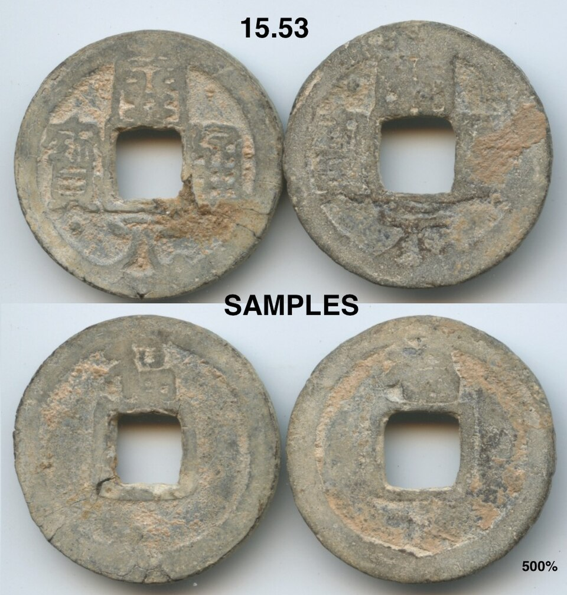
The temples of Angkor continue to amaze visitors with their magnificent architecture, but some of the most fascinating discoveries about Cambodia’s past are much smaller. A recent archaeological study has revealed that Chinese coins found throughout the Angkorian Khmer Empire tell a far richer story than historians once believed.
Rather than serving simply as money, these coins fulfilled a variety of roles within Khmer society. The findings challenge long-held assumptions about commerce in medieval Cambodia while highlighting the remarkable cultural connections between the Khmer Empire and neighboring regions.
For travelers, history enthusiasts, and anyone interested in Khmer culture, this research provides another compelling reason to appreciate the complexity of Cambodia’s extraordinary heritage.
More Than Currency in the Khmer Empire
For many years, scholars assumed that Chinese coins discovered at Angkor were evidence of a growing monetary economy. However, the latest research paints a far more nuanced picture.
By examining archaeological discoveries from temples, settlements, and ritual sites, researchers found that Chinese coins often appeared in contexts unrelated to everyday trade. Some were placed in foundation deposits beneath religious buildings. Others were used in ceremonies, kept as treasured objects, or valued for their symbolic meaning rather than their purchasing power.
The study suggests that the Angkorian Khmer Empire remained largely a non-monetized society, where barter, taxation in goods, and state redistribution continued to dominate economic life. Chinese coins entered Cambodia through regional trade networks, but their importance extended well beyond commercial exchange.
Cultural Exchange Across Asia
The presence of Chinese coins also reflects Cambodia’s place within a vibrant network of cultural and commercial connections that linked Southeast Asia with China for centuries. Merchants carried ceramics, metals, textiles, and luxury goods across maritime and overland routes. Alongside these products came ideas, technologies, religious practices, and objects that acquired new meanings as they reached different societies.
Within Khmer culture, imported coins were adapted to local traditions instead of simply functioning as foreign currency. Their use in rituals and sacred spaces demonstrates how international trade influenced Cambodian society while preserving distinctly Khmer beliefs and customs.
A New Perspective on Cambodia’s History
Archaeology continues to reshape our understanding of Cambodia’s remarkable past. This latest study encourages readers to view Chinese coins not merely as economic tools but as cultural objects that reveal stories of belief, diplomacy, trade, and everyday life.
Whether you are planning a journey to Angkor, studying Southeast Asian history, or simply fascinated by ancient civilizations, this research demonstrates that even the smallest artifacts can transform our understanding of one of the world’s greatest cultural treasures.
Read Mitch Hendrickson’s fascinating paper published in Asia Archeology, “Loose change? Evaluating the roles of Chinese coins in the Angkorian Khmer Empire” on Spring Nature website, here.