
Historical Context
In the mid-19th century, Cambodia found itself caught between two aggressive neighbors: Siam (Thailand) to the west and Vietnam to the east, both of whom had ambitions over Cambodian territory. By the 1850s and 1860s, what remained of the once-glorious Khmer kingdom had been reduced to a shadow of its former power, oscillating as a vassal between these neighboring empires. Attempts at independence or sovereignty were constantly at risk of external manipulation, particularly from Siam which, by then, had claimed suzerainty over much of Cambodia.
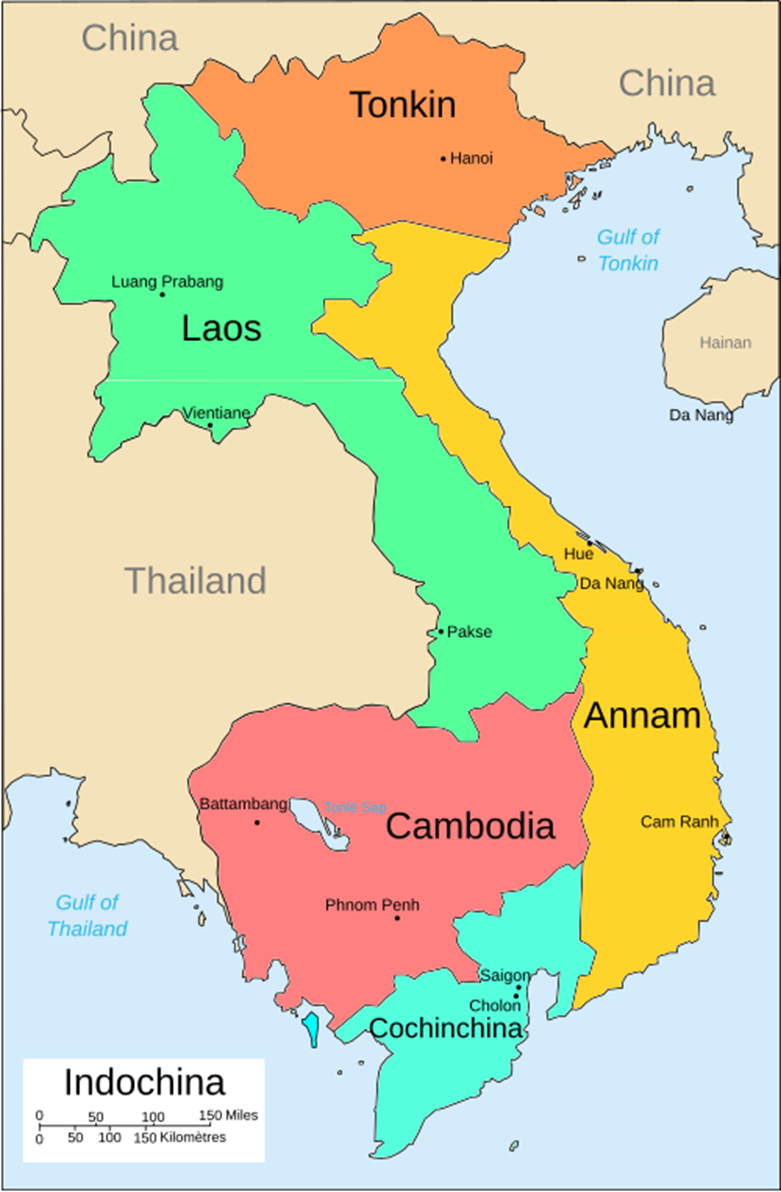
This period was marked by violence, instability, and a crisis of royal authority. The rise of European colonialism brought yet another power into the chessboard: France, which had already consolidated its hold over Cochinchina (southern Vietnam) and was eager to expand westward.
The French Protectorate and the Web of Treaties
Facing threats on all sides, Cambodian King Norodom sought French protection to shield his kingdom from Siamese and Vietnamese domination. On August 11, 1863, he signed a treaty with France, establishing Cambodia as a French protectorate. This treaty stripped Cambodia of control over its foreign affairs and defense, placing it nominally under French protection but still recognizing the king’s sovereignty.
However, before the French treaty was ratified in Paris, King Norodom — under duress and in a moment of profound national vulnerability — secretly concluded another treaty with the Siamese court in December 1863. The existence and content of this secret treaty have long symbolized Cambodia’s humiliation at Siam’s hands and the complex web of dependency that threatened the country’s very existence.
The Secret Siamese-Cambodian Treaty: Content and Consequences
Terms and Provisions
- The treaty recognized Norodom as viceroy under the Siamese crown and, in effect, governor of Cambodia rather than king.
- Siam retained the right to appoint or depose Cambodian rulers, overtly subordinating Cambodian royal power to Bangkok.
- The Siamese secured formal rights to significant swathes of Cambodian territory, notably Battambang and Siem Reap, cementing long-standing encroachments.
- Cambodia was not permitted to conduct independent foreign relations and was required to pay tribute and show deference to Siam.
Humiliation and Subjugation
This secret arrangement stripped Cambodia of the last vestiges of sovereignty:
- Symbolic humiliation: Norodom’s position was reduced from that of a sovereign king to a viceroy or provincial governor of Siam.
- Practical humiliation: The Siamese court refused to release the sacred regalia needed for Norodom’s coronation unless he traveled to Bangkok for the ceremony, reinforcing the impression he was merely an appointee of the Siamese king rather than an independent monarch. This act underscored Cambodia’s abrogation of royal dignity in the face of Siamese power.
- Territorial humiliation: Large portions of Cambodia, including historically and culturally vital provinces, remained under Siamese control and administration.
French Discovery and Forced Retraction
When the French authorities discovered the secret treaty (reportedly via the Straits Times), it caused outrage and confusion. The French forced King Norodom into a humiliating public retraction, pressuring both him and Siam to formally nullify the December 1863 treaty and recognize the French protectorate. Under further international and British pressure, the Siamese eventually agreed that their treaty was void, but only after extracting key concessions from France, including formal recognition of their hold on Battambang and Angkor until they were returned in the early 20th century.
The episode tarnished Norodom’s authority, exposed the limitations of Cambodia’s sovereignty, and made public the depths of humiliation inflicted upon the kingdom.
The Broader Impact of Siamese Humiliation
- Loss of Sovereignty: The treaty was the apex of a centuries-long erosion of Cambodian statehood, with the monarchy cowed and manipulated by a stronger neighbor.
- Dynastic Subservience: The king’s subordination as a vassal was a personal as well as national humiliation, stripping him of traditional Khmer royal dignity.
- Loss of Land and Cultural Centers: The assignment of Battambang and Siem Reap to Siam deprived Cambodia not only of vital economic and strategic regions but of Angkor—a core symbol of Khmer identity and greatness.
The End of the Siamese Protectorate
The humiliation was not fleeting: it took until the Franco-Siamese Treaty of 1867 before the issue was resolved officially, with Siam giving up nominal suzerainty over Cambodia in exchange for formal recognition of their control over certain provinces. Only in the 20th century were some of these lost lands and symbols of heritage fully restored to Cambodia.
Conclusion
The secret December 1863 Siamese-Cambodian treaty stands as a stark testament to the depths of Cambodia’s national humiliation under Siamese dominance. It stripped the kingdom of any meaningful sovereignty, reduced the monarchy to a puppet of Bangkok, and deprived the Khmer people of core territories and cultural identity. Although quickly voided under French and British pressure, the act remains emblematic of Cambodia’s ordeal at the hands of neighboring powers and is a poignant episode in the narrative of Southeast Asian geopolitics during the colonial era.