This week’s collection brings together mythological wonder, domestic tenderness, and timeless cultural exchange. From ancient epics carved in stone to the fragrance of modern Phnom Penh gardens, Cambodia’s visual stories unfold with humility and brilliance. Each image is a fragment of memory — a reminder that heritage is both seen and savored.
Hanuman Hiding Rama in His Mouth
At a glance, the sculpture of Hanuman cradling Rama within his mouth seems playful, almost surreal. Yet the story behind it — loyalty expressed through divine disguise — captures something essential in Khmer devotion and artistry. In Angkorian depictions, Hanuman’s reverence merges strength with subtle humor, a uniquely Southeast Asian rendering of Hindu epic imagination.
Deep-Fried Cicadas: A Cambodian Family Snack Moment
Crunch and laughter go hand in hand in rural kitchens when cicadas are in season. This snapshot of a family preparing deep-fried cicadas reflects not only resourceful cuisine, but also a communal rhythm — grandparents, children, and neighbors sharing the fleeting joy of harvest-time snacks. It’s a reminder that food in Cambodia often carries the warmth of shared labor and memory.
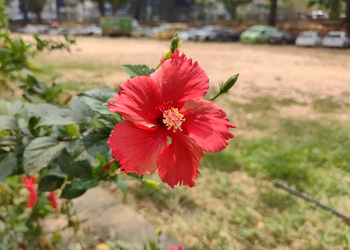
Desert Rose Bloom in Phnom Penh
Amid the city’s tropical bustle, the Desert Rose stands defiant, its blossoms like painted porcelain. Often seen on verandas and temple courtyards, this hardy plant thrives in dry heat, a quiet metaphor for urban resilience. The image catches a fleeting Phnom Penh morning — soft light, bright petals, and the persistence of beauty in small corners.
Num Bay Treap: Khmer Sticky Delight
Shiny, blackened grains of sticky rice bound in banana leaves — num bay treap — glow like obsidian when opened. This traditional sweet is still sold by roadside vendors and grandmothers at local markets. The simplicity hides a labor-intensive process, one shaped by patience and family tradition. Each bite speaks to Cambodia’s culinary genius: transformation through time and texture.
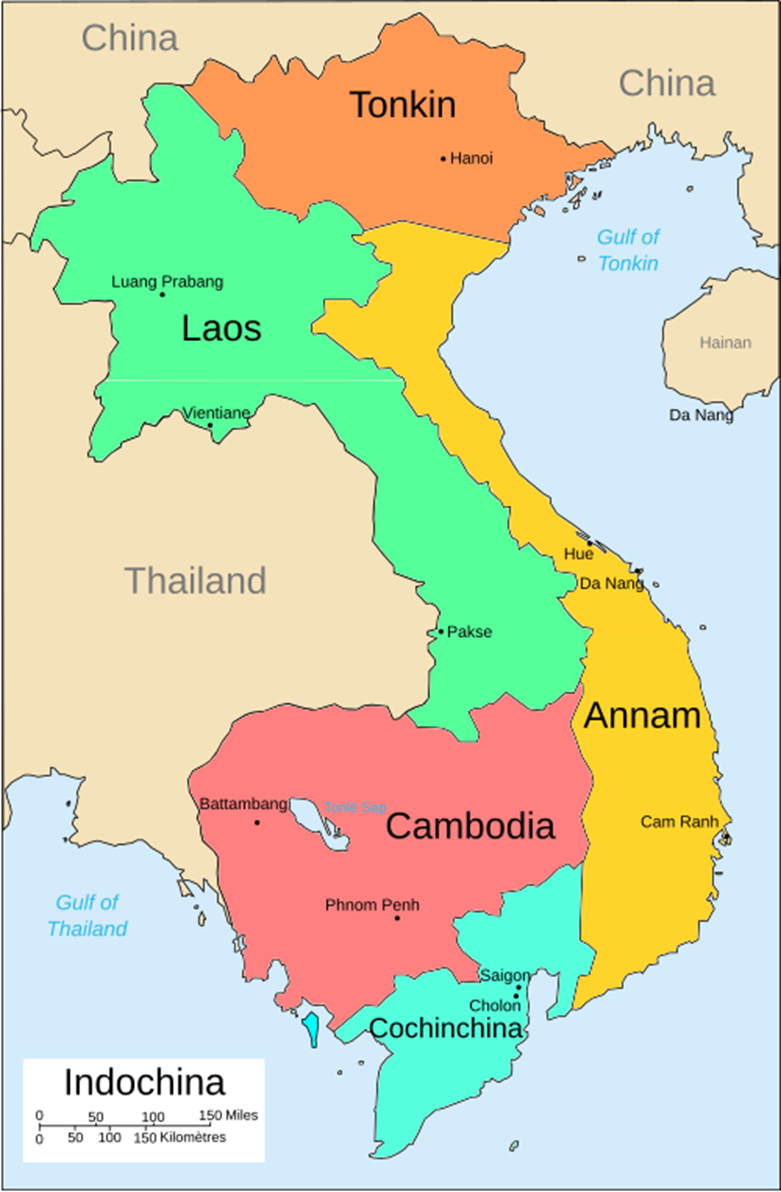
A rare historical map traces the slow, deliberate southward advance of Vietnam — a cartographic record of centuries of shifting influence along Indochina’s spine. For scholars and travelers alike, it opens a wider conversation about migration, resilience, and the intertwined legacies of Cambodia, Vietnam, and Champa. History, once drawn in ink, continues to ripple through modern identity.
Tête de Veau in Phnom Penh: A French Classic Reimagined
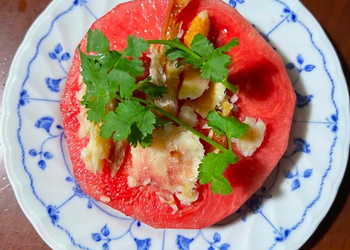
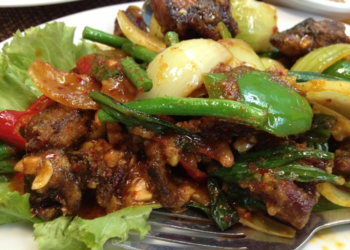
At a quiet Phnom Penh bistro, a French delicacy finds new expression. Tête de veau, tender and gelatinous, arrives not as colonial nostalgia but as a cross-cultural adaptation — a chef’s play on European technique with Cambodian sensibility. It’s cuisine as conversation: past and present mingling on a single plate.
Silent Approach to Angkor Thom’s South Gate, 1933
The sepia-toned photograph from 1933 captures Angkor Thom before the tourist age — a quiet approach along a tree-lined path, flanked by half-broken guardians. There’s serenity in the stillness, a glimpse of Angkor’s spiritual solitude before restoration and fame. It evokes a time when discovery meant silence, and beauty was met with reverence rather than crowds.
Cambodia’s textures — stone, spice, flower, map, and meal — come together in this week’s gallery as reminders of how heritage persists through touch, taste, and vision. Each image asks us to look just a little longer, to notice the grace that hides in everyday forms.