Native Name
In Khmer, the peacock eel (Macrognathus siamensis) is commonly called ឆ្លូញ (Chhlonh). This name is recognized by fishers and local markets, especially around floodplain areas.

Native Range and Habitat
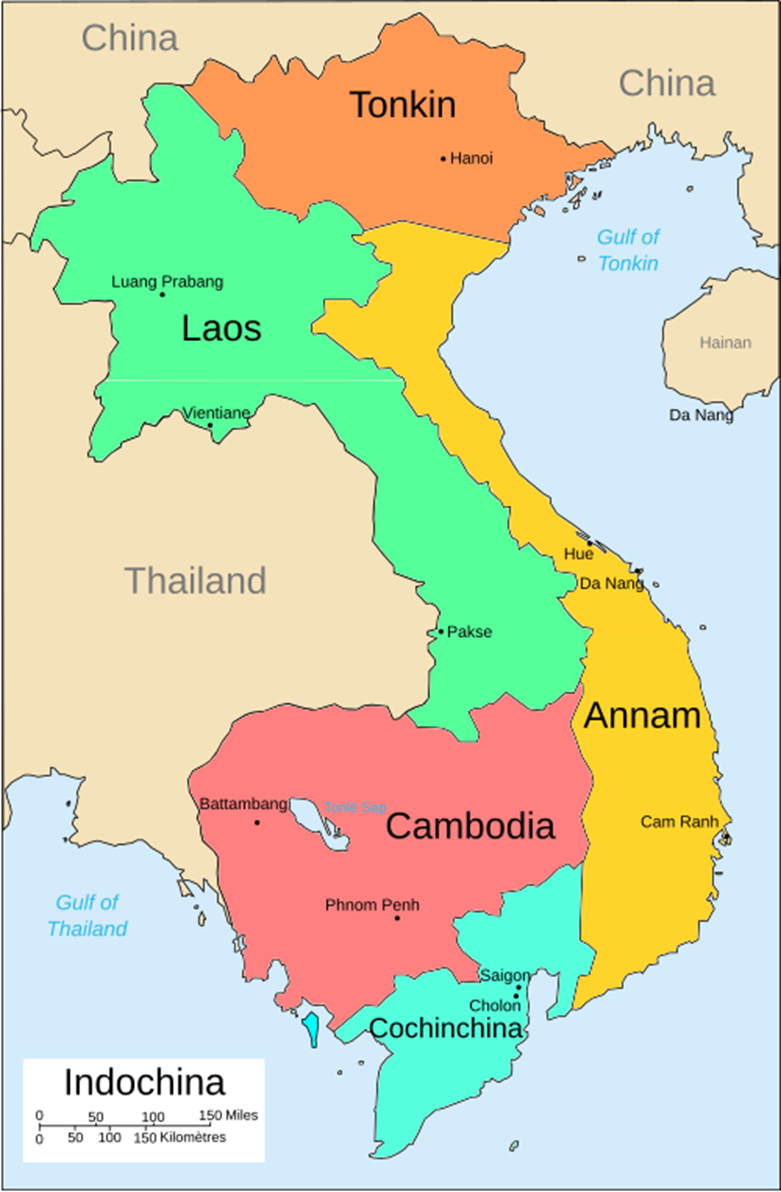
The peacock eel is native to Cambodia, inhabiting slow-moving backwaters, swamps, ponds, and canals throughout the Mekong River basin. It is especially common in and around Tonle Sap Lake, the largest freshwater lake in Cambodia, as well as its connecting rivers. The eel prefers sandy or muddy bottoms with dense aquatic vegetation, where it can burrow and hide during the day.
The species thrives in floodplain wetlands that are seasonally inundated during the monsoon, creating ideal feeding and breeding grounds.
Distribution in Cambodia
Peacock eels are found across many Cambodian provinces such as Kampong Cham, Kampong Chhnang, Kampong Thom, and areas surrounding the Tonle Sap river–lake system. These regions are freshwater biodiversity hotspots and support rich fisheries.
Ecology and Life Cycle
In Cambodia, the breeding season aligns with the wet season, when flooding provides fertile feeding areas like rice paddies and flooded forests. After spawning, the larvae grow quickly — reaching about 8 cm within two months.
Their diet in the wild consists mainly of worms, insect larvae, crustaceans, and small fish, making them important mid-level predators in inland aquatic ecosystems.
Economic and Subsistence Importance
The peacock eel is valued as both a food fish and for the aquarium trade. In rural communities near Tonle Sap, it ranks among the six most common fish species in rice-field fisheries by weight.
- Fisheries and Markets: Fishers catch them using traps, nets, and traditional hand tools. The catch is sold fresh or processed into dried eel, mainly for local consumption.
- Aquaculture: Currently rare in Cambodian fish farming; most eels in markets are wild-caught.
- Trade Potential: There is growing interest in farming and exporting the species to China and other countries, but challenges remain in feed costs and cultivation technology.
Cultural Notes
In addition to being a food source, the peacock eel is part of Cambodia’s broader floodplain fishing culture. It is well known to rural fishers and often features in seasonal fishing activities during the receding floodwaters.
Conservation Status
The species is not endangered but faces pressures from:
- Habitat change (drainage of wetlands, land reclamation)
- Overfishing in some regions
Sustainable fishing practices and floodplain habitat protection, especially around Tonle Sap, are crucial to maintaining healthy eel populations.