Wonders of Cambodia
  • Home
  • Culture
  • Cuisine
  • Tourism
  • Business
  • Life in Cambodia
  • 中文
  • ខ្មែរ
  • Français
  • Tiếng Việt
  • e-Books
No Result
View All Result
  • Home
  • Culture
  • Cuisine
  • Tourism
  • Business
  • Life in Cambodia
  • 中文
  • ខ្មែរ
  • Français
  • Tiếng Việt
  • e-Books
No Result
View All Result
Wonders of Cambodia
No Result
View All Result
Home Cuisine

Beef Lok Lak: A Popular Sautéed Dish of Cambodia

Pascal Medeville by Pascal Medeville
July 13, 2025
in Cuisine
Reading Time: 5 mins read
1
Home-made Lok Lak anglais (©Pascal Médeville)

Introduction
Beef Lok Lak (ឡុកឡាក់សាច់គោ) is one of Cambodia’s most popular dishes, known for its rich flavors, tender beef, and vibrant presentation. It’s also a Westerners’ favorite. This stir-fried beef dish, often served with a tangy dipping sauce, fresh vegetables, and a fried egg, is a staple in Cambodian cuisine. Its origins are deeply rooted in the country’s history, with influences from French colonialism and neighboring Vietnamese cuisine. Whether enjoyed in a bustling Phnom Penh eatery or homemade with traditional techniques, Beef Lok Lak offers a delightful balance of savory, sweet, and tangy flavors that captivate the palate.
In this article, we will explore the history of Beef Lok Lak, its cultural significance, key ingredients, preparation methods, and variations of the dish. By the end, you’ll have a comprehensive understanding of why this dish holds such a special place in Cambodian food culture.

History and Cultural Significance
Origins of Beef Lok Lak
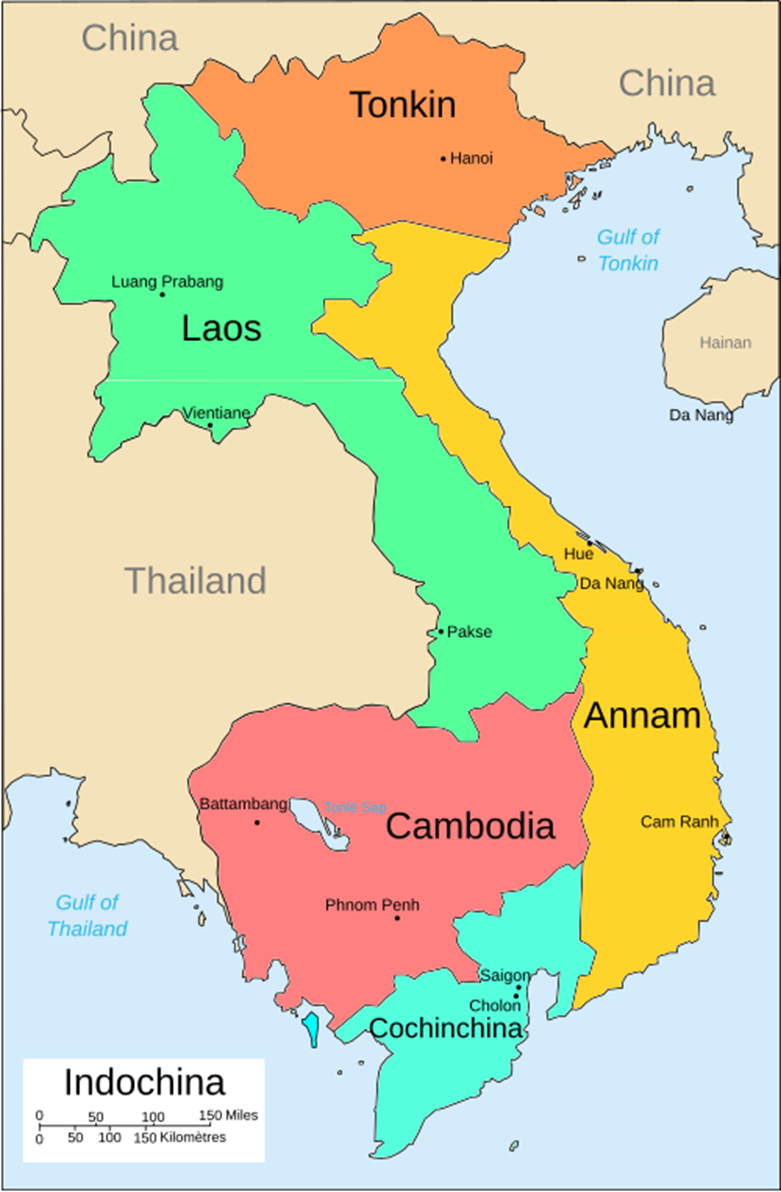
The exact origins of Beef Lok Lak are debated, but many believe it was influenced by Vietnamese bò lúc lắc (shaking beef), a similar dish featuring cubed beef stir-fried with vegetables and soy-based sauce. During the French colonial period in Indochina (19th-20th century), culinary exchanges between Cambodia and Vietnam became more frequent, leading to the adaptation of this dish into Cambodian cuisine.
The name Lok Lak (also spelled Loc Lac) is originally not a Khmer term, it’s the phonetic transcription of the Vietnamese term lúc lắc which means “stir-fry” or “to shake,” referring to the motion of tossing beef in a hot wok. Over time, Cambodian cooks added their own unique touches, such as using Kampot pepper—a prized Cambodian spice—and serving the dish with a lime and black pepper dipping sauce.
A Dish of National Pride
Today, Beef Lok Lak is considered a national dish of Cambodia, often featured in restaurants and home kitchens alike. It is commonly served during family gatherings, festivals, and special occasions. The dish’s simplicity, yet depth of flavor, makes it a favorite among locals and tourists.

Key Ingredients
The magic of Beef Lok Lak lies in its carefully selected ingredients, which combine to create a harmonious blend of textures and tastes. Here are the essential components:
1. The Beef
– Traditionally, tender cuts like sirloin or ribeye are used, cut into small cubes for quick cooking.
– Marinating the beef is crucial—it typically includes soy sauce, oyster sauce, sugar, garlic, and sometimes a splash of fish sauce for umami depth.
2. The Marinade & Sauce
– Soy sauce – Adds saltiness and color.
– Oyster sauce – Provides a rich, savory-sweet flavor.
– Sugar or palm sugar – Balances the saltiness with sweetness.
– Garlic – Enhances aroma and taste.
– Kampot pepper – A signature Cambodian ingredient, known for its floral and spicy notes.
– Lime juice – Used in the dipping sauce for acidity.
3. The Dipping Sauce
A key feature of Beef Lok Lak is its dipping sauce, made from:
– Lime juice
– Freshly ground black pepper (or Kampot pepper)
– Salt
– Sometimes a touch of sugar or fish sauce
This simple yet bold sauce elevates the dish, adding a bright, peppery kick.
4. Accompaniments
Beef Lok Lak is typically served with:
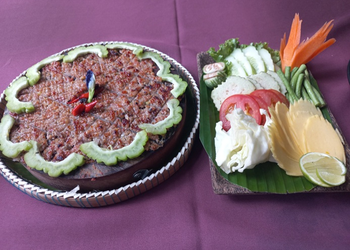
– Fresh lettuce, tomatoes, cucumbers, and onions, sometimes also green beans – For crunch and freshness.
– Sometimes, a fried egg (sunny-side up or over-easy) – Adds richness.
– Steamed rice.

Preparation Method
Step 1: Marinating the Beef
1. Cut the beef into bite-sized cubes.
2. In a bowl, mix soy sauce, oyster sauce, sugar, minced garlic, and black pepper.
3. Coat the beef evenly and let it marinate for at least 30 minutes (or up to 2 hours for deeper flavor).
Step 2: Stir-Frying
1. Heat oil in a wok or large pan over high heat.
2. Add the marinated beef and stir-fry quickly (about 3-5 minutes) until browned but still tender.
3. Avoid overcooking to keep the beef juicy.
Step 3: Preparing the Dipping Sauce
1. Mix lime juice, freshly ground black pepper, and salt in a small bowl.
2. Adjust to taste—some prefer it more peppery, while others like it tangier.
Step 4: Plating
1. Arrange fresh vegetables on a plate.
2. Place the hot beef on top or beside the greens.
3. Add a fried egg on the side.
4. Serve with steamed rice.
5. Drizzle the lime-pepper sauce over the beef or serve it on the side for dipping.

Variations of Beef Lok Lak
While the traditional version remains popular, several variations exist:
1. Chicken or Pork Lok Lak
– Some cooks substitute beef with chicken or pork for a different twist.
2. Seafood Lok Lak
– In coastal regions, shrimp or squid may be used instead of beef.
3. Vegetarian Lok Lak
– Tofu or mushrooms replace the meat, marinated in a similar sauce.
4. French-Inspired Lok Lak
– Some upscale versions include red wine reduction or butter for a richer taste.
5. Lok Lak “anglais”: in this version, fried egg is compulsory, as well as French fries.

Why Beef Lok Lak Stands Out
What makes Beef Lok Lak special is its perfect balance:
– Savory from the soy and oyster sauces.
– Sweet from sugar or palm sugar.
– Tangy from the lime dipping sauce.
– Spicy from fresh black pepper.
– Textural contrast between tender beef, crisp veggies, and creamy egg yolk.
It’s a dish that’s both comforting and exciting, simple yet sophisticated.

Beef Lok Lak is more than just a meal—it’s a celebration of Cambodian flavors, history, and culinary artistry. From its likely Vietnamese-French influences to its status as a national treasure, this dish embodies the essence of Cambodian cuisine. Whether you try it at a street food stall in Siem Reap or make it at home, Beef Lok Lak promises a delicious and memorable dining experience.
If you haven’t tried it yet, seek out a Cambodian restaurant or grab the ingredients to cook it yourself. One bite, and you’ll understand why this dish is so cherished.

Don’t miss our upcoming articles!

We don’t spam!

Check your INBOX or SPAM folder to confirm your subscription.

Tags: Beef Lok LakCambodian beef dishesCambodian cuisinecambodian dishescambodian foodKhmer cuisineឡុកឡាក់ឡុកឡាក់សាច់គោ
ShareTweet
Previous Post

The Kouprey: Cambodia’s Elusive Forest Ox

Next Post

Bayon Temple: The Smiling Heart of Angkor

Pascal Medeville

Pascal Medeville

Author of the blog Wonders of Cambodia, I share my passion for Cambodia through stories, cultural insights, and personal reflections on the country. I'm also the founder of Simili Consulting, where we provide high-quality, professional translation services to international clients.

Related Posts

Traditional roasted chicken served at Phnom Chisor, Cambodia, prepared from naturally fed free-range chickens with herbs and local seasonings.
Cuisine

Picture of the day: Phnom Chisor Roasted Chicken: Cambodia’s Natural Flavor

July 20, 2026
Two halves of a ripe red-fleshed dragon fruit on a white plate, showing vibrant magenta flesh dotted with tiny black seeds, with whole dragon fruits in the background.
Cuisine

Dragon Fruit in Cambodia: A Complete Guide to the Kingdom’s Vibrant Superfruit

July 19, 2026
Brown clay pot filled with Cambodian sausage, two eggs, diced potatoes, and chopped onion, served on a woven rattan stand at a Phnom Penh café breakfast setting.
Cuisine

Picture of the day: Clay Pot Cambodian Breakfast in Phnom Penh

July 18, 2026
Bowl of Cambodian kako tnaot soup with palm fruit, fish, and leafy greens in a creamy broth on a woven mat, traditional Khmer comfort food
Cuisine

Picture of the day: Kako Tnaot, A Comforting Cambodian Palm Fruit Soup

July 16, 2026
Close up of a white plate filled with Cambodian stir fried momordica bitter melon slices mixed with scrambled egg pieces, captured from above on a wooden table.
Cuisine

Picture of the day: Bitter melon and egg stir fry

July 14, 2026
Close-up of several bright green winged bean pods on a white plate, showing their distinctive frilled edges and glossy surface.
Cuisine

Winged Bean in Cambodia: Discovering ពពាយ (Psophocarpus tetragonolobus), the Forgotten Super Vegetable

July 12, 2026
Next Post
Bayon Temple: The Smiling Heart of Angkor

Bayon Temple: The Smiling Heart of Angkor

Comments 1

  1. Pingback: Last publications on Wonders of Cambodia (June 23~June 29) - Wonders of Cambodia
  • Trending
  • Comments
  • Latest
The French Protectorate of Cambodia (1863–1953): An Overview

The French Protectorate of Cambodia (1863–1953): An Overview

July 13, 2025
The Franco-Siamese Treaty of 23 March 1907: Borders, Politics, and the Return of Angkor

The Franco-Siamese Treaty of 23 March 1907: Borders, Politics, and the Return of Angkor

February 11, 2026
Cambodian-Vietnamese War (1978-1989)

Cambodian-Vietnamese War (1978-1989)

July 13, 2025
The Legend of Preah Ko Preah Keo: Guardians of Cambodia’s Lost Treasures

The Legend of Preah Ko Preah Keo: Guardians of Cambodia’s Lost Treasures

February 23, 2026
Kampot Province

Takeo Province: A Cradle of Cambodian History and Culture

3
Kratié Town on the Mekong: Colonial Echoes, River Life, and Irrawaddy Dolphins

Kratié Town on the Mekong: Colonial Echoes, River Life, and Irrawaddy Dolphins

3
Banteay Meanchey Province: A Gateway to Cambodia’s Rich Heritage

Banteay Meanchey Province: A Gateway to Cambodia’s Rich Heritage

2
Stung Treng Province: The Gateway to Cambodia’s Northern Wilderness

Stung Treng Province: The Gateway to Cambodia’s Northern Wilderness

2
View of Phnom Neang Kangrei mountains reflected across a tranquil lake in Kampong Chhnang, Cambodia, under an overcast morning sky.

Picture of the day: Phnom Neang Kangrei, Kampong Chhnang

July 21, 2026
Sandstone lintel at Prasat Neang Khmao in Takeo, Cambodia, showing a central mythic face flanked by naga bodies, floral scrolls, and tiny seated figures above, carved in 10th century Khmer Koh Ker style on a brick temple façade.

Wonders of Cambodia – Pictures of the Week: Flavors, Heritage and Everyday Beauty (July 13th~July 19th, 2026)

July 20, 2026
出土于吴哥遗址的唐代开元通宝铜钱样本,展示正反两面。钱币为圆形方孔铜钱,表面磨损和锈蚀较为明显,部分铭文仍可辨认,为研究唐代中国与吴哥王朝之间的贸易和文化交流提供了重要考古证据。

吴哥出土的中国古钱币,揭开了一个鲜为人知的历史真相

July 20, 2026
Traditional roasted chicken served at Phnom Chisor, Cambodia, prepared from naturally fed free-range chickens with herbs and local seasonings.

Picture of the day: Phnom Chisor Roasted Chicken: Cambodia’s Natural Flavor

July 20, 2026

Recent News

View of Phnom Neang Kangrei mountains reflected across a tranquil lake in Kampong Chhnang, Cambodia, under an overcast morning sky.

Picture of the day: Phnom Neang Kangrei, Kampong Chhnang

July 21, 2026
Sandstone lintel at Prasat Neang Khmao in Takeo, Cambodia, showing a central mythic face flanked by naga bodies, floral scrolls, and tiny seated figures above, carved in 10th century Khmer Koh Ker style on a brick temple façade.

Wonders of Cambodia – Pictures of the Week: Flavors, Heritage and Everyday Beauty (July 13th~July 19th, 2026)

July 20, 2026
出土于吴哥遗址的唐代开元通宝铜钱样本,展示正反两面。钱币为圆形方孔铜钱,表面磨损和锈蚀较为明显,部分铭文仍可辨认,为研究唐代中国与吴哥王朝之间的贸易和文化交流提供了重要考古证据。

吴哥出土的中国古钱币,揭开了一个鲜为人知的历史真相

July 20, 2026
Traditional roasted chicken served at Phnom Chisor, Cambodia, prepared from naturally fed free-range chickens with herbs and local seasonings.

Picture of the day: Phnom Chisor Roasted Chicken: Cambodia’s Natural Flavor

July 20, 2026
Wonders of Cambodia

Exploring Culture, Nature, and Spirit in the Land of Wonder.

Follow Us

Browse by Category

  • Architecture
  • Architecture
  • Art
  • Books
  • Business
  • Business
  • Cinema
  • Costume
  • Costume
  • Cuisine
  • Culture
  • Defense
  • Du lịch
  • e-Books
  • Education
  • Expat life
  • Fauna
  • Festival
  • Flora
  • Food providers
  • Français
  • Geography
  • Handicraft
  • Health
  • Histoire
  • History
  • Hotels
  • Khmer Stories
  • Khmer stories
  • Knowledge
  • Language
  • Last posts
  • Lịch sử
  • Life in Cambodia
  • Literature
  • Meet the neigbhors
  • Music
  • Pictures
  • Politics
  • Population
  • Press review
  • Professional services
  • Proverbs
  • Reference
  • Reference
  • Religion
  • Restaurants
  • Temples
  • Textile
  • Tiếng Việt
  • Tourism
  • Tourisme
  • Transport
  • Uncategorized
  • Vidéo
  • Video
  • Vie quotidienne
  • Who's who
  • ខ្មែរ
  • ទេសចរណ៍៖
  • បគ្គលល្បី
  • ប្រវត្តិសាស្ត្រោ
  • សៀវភៅ
  • 中文
  • 书籍
  • 历史
  • 商业
  • 旅游
  • 生活

Recent News

View of Phnom Neang Kangrei mountains reflected across a tranquil lake in Kampong Chhnang, Cambodia, under an overcast morning sky.

Picture of the day: Phnom Neang Kangrei, Kampong Chhnang

July 21, 2026
Sandstone lintel at Prasat Neang Khmao in Takeo, Cambodia, showing a central mythic face flanked by naga bodies, floral scrolls, and tiny seated figures above, carved in 10th century Khmer Koh Ker style on a brick temple façade.

Wonders of Cambodia – Pictures of the Week: Flavors, Heritage and Everyday Beauty (July 13th~July 19th, 2026)

July 20, 2026
  • About Us
  • Advertise
  • Privacy & Policy
  • Contact Us

© 2025 - Made with 💫 by TechFlow.

No Result
View All Result
  • Home
  • Culture
  • Cuisine
  • Tourism
  • Business
  • Life in Cambodia
  • 中文
  • ខ្មែរ
  • Français
  • Tiếng Việt
  • e-Books

© 2025 - Made with 💫 by TechFlow.