
Bayon Temple (ប្រាសាទបាយ័ន), nestled in the center of the famed Angkor Thom complex, is one of the most iconic monuments of Cambodia and one of the most revered masterpieces of Khmer architecture. Built in the late 12th and early 13th centuries under King Jayavarman VII, Bayon is a fusion of Buddhist and Hindu symbolism, standing as an enduring reminder of the grandeur of the Angkor Empire. What makes Bayon most distinctive is its enigmatic towers adorned with colossal smiling faces, which seem to gaze serenely across the landscape. These faces, combined with intricate bas-reliefs narrating the daily and spiritual life of the Khmer people, give Bayon an unmatched atmosphere that captivates historians, tourists, and spiritual seekers alike.
Historical Context
Bayon Temple was constructed during a period of remarkable creativity and religious fervor. Jayavarman VII, one of Angkor’s most celebrated kings, embraced Mahayana Buddhism and set about transforming Angkor into a center of Buddhist devotion. Before his reign, Hinduism had been the dominant religion under the Angkor kings. Jayavarman VII’s reign marked a shift toward Buddhism, making the Bayon his state temple and the very center of his capital, Angkor Thom. This was symbolic: by placing the temple at the heart of the city, Jayavarman VII showcased his devotion to Buddhism and his aspiration to be a compassionate ruler, often equated to the Bodhisattva Avalokiteshvara.
Bayon was built on the footprint of earlier structures, which scholars believe included Hindu shrines. Even after Jayavarman VII’s reign, future monarchs modified Bayon to suit their own beliefs, making the temple a multi-layered palimpsest of Buddhist and Hindu elements. Today, visitors can detect traces of these changes in the design, iconography, and inscriptions that dot the temple complex.
Architecture and Layout
Bayon’s architecture is what most sets it apart. Unlike the symmetrical grandeur of Angkor Wat or the flat terraces of Ta Prohm, Bayon is almost bewilderingly complex. Its design is deceptively chaotic: steep staircases, narrow corridors, galleries filled with elaborate carvings, and a central sanctuary that rises like a mountain peak. The outer gallery, often the first part visited, contains an extraordinary series of bas-reliefs, extending for some 1.2 kilometers, which depict vivid episodes of Angkorian life — warriors marching into battle, marketplace scenes, dancers performing sacred rituals, and royal processions.
Bayon was originally built with three enclosures. The outer walls house the bas-reliefs, the second enclosure contains most of the towers, and the upper level — the heart of the temple — is where the central sanctuary and most of the famous smiling faces are located.
The Smiling Faces of Bayon
No discussion of Bayon would be complete without mentioning its towers, each adorned with giant stone faces. These faces, carved on each of the four sides of the towers, are one of the most enigmatic features of the temple. Estimates suggest that at one time there were 54 towers adorned with up to 216 faces — though not all survive intact today.
Each face is thought to represent either the Bodhisattva Avalokiteshvara or Jayavarman VII himself, depicted as a god-king who looks in all four directions to protect his empire. The faces wear a gentle, Mona Lisa-like smile that exudes both peace and power. Known as the “Khmer smile,” this expression has captivated scholars and visitors alike for centuries, fueling speculation about its symbolism.
Some suggest that these faces signify compassion and divine watchfulness, qualities that Jayavarman VII hoped would pervade his realm. Others interpret the faces as a political statement of centralized control — an omniscient ruler who literally looks upon all his subjects.
The Bas-Reliefs: A Window Into Daily Life
Bayon’s outer galleries offer a captivating narrative carved into stone. Unlike Angkor Wat’s focus on divine epics, Bayon’s bas-reliefs highlight everyday life and historical events, making them one of the most important historical documents of Angkor.
The east galleries depict famous battles between the Khmers and their enemies, especially the Chams, with warriors in full regalia, their elaborate headdresses and banners flying in the humid Cambodian air. These battle scenes offer modern historians’ invaluable insight into Khmer military tactics, armaments, and dress.
Elsewhere, traders sell their wares, women cook meals, children play, and musicians entertain onlookers — all scenes that make the people of Angkor come alive across the centuries. This blending of sacred and secular motifs is significant: it reflects Jayavarman VII’s interest in both spiritual enlightenment and temporal welfare.
Religious Syncretism at Bayon
Bayon was constructed as a Buddhist temple, but like much of Angkor’s architecture, it reveals a syncretism that reflects the empire’s shifting spiritual landscape. After Jayavarman VII’s death, Hindu kings took control of Angkor and tried to erase the Buddhist imagery at Bayon. Some of the Buddha statues were removed, re-carved into Hindu forms, or left damaged. Interestingly, this did not destroy the temple’s spiritual essence; rather, it left a multi-religious footprint that underscores the coexistence and succession of different beliefs across centuries.
In the bas-reliefs and statuary, visitors can discern Buddhist deities like Avalokiteshvara alongside Hindu figures like Vishnu and Shiva. Even later additions reflect Theravada Buddhist practices, which became dominant by the 14th century.
Conservation and Modern Restoration
Angkor Thom was gradually abandoned as the Angkor empire declined in the 15th century. Like most Angkorian monuments, Bayon was consumed by jungle until European explorers and scholars “rediscovered” the site in the 19th century. The French École française d’Extrême-Orient (EFEO) led the first major restoration efforts in the 20th century.
Over the past century, conservationists have faced significant challenges. Bayon was built on less stable soil than Angkor Wat, and its towering stones often shift due to erosion and rainfall. Many towers have required reassembly, careful drainage systems have been put in place, and ongoing restoration projects continue to preserve its intricate bas-reliefs.
In recent years, the Japanese Government Team for the Safeguarding of Angkor (JSA) and other international groups have partnered with Cambodian authorities to ensure Bayon’s continued survival. These ongoing efforts recognize the temple’s value not only as a national treasure for Cambodia but also as a world cultural heritage site of global significance.
Bayon’s Role in Cambodian Identity
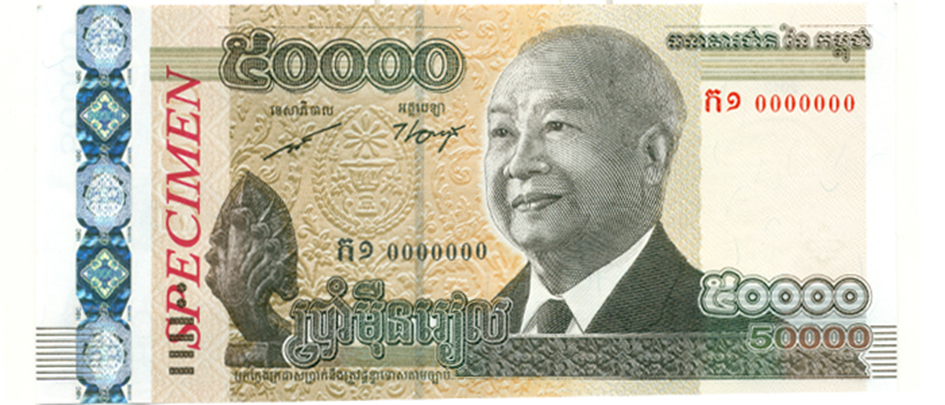
Bayon is not just an archaeological wonder; it is also a profound symbol of national pride. Images of Bayon’s towers and their serene faces appear on Cambodian currency and stamps and serve as a powerful emblem of Cambodia’s resilience and cultural richness. The temple is a reminder of the Angkor Empire’s achievements — its sophisticated art, engineering, and spiritual aspirations.
For the millions who visit Angkor each year, Bayon is an evocative experience. Standing before the weathered faces at sunset, one can sense the enduring spirit of Jayavarman VII’s Buddhist vision. Even centuries after its construction, Bayon resonates as a place of compassion, kingship, and cosmic harmony.
Bayon Temple is more than an architectural treasure; it is a chronicle carved into stone. Its graceful towers, intricate bas-reliefs, and timeless faces reveal the ambitions of a great king and the soul of a people. Whether considered as a work of art, an expression of Buddhist devotion, or a historical record of daily life, Bayon is a keystone of Cambodia’s cultural heritage.
In preserving Bayon for future generations, we protect not only a majestic relic of the Angkor Empire but also a message from the past about compassion, humanity, and the enduring power of creativity. Visitors leave its grounds forever touched by its gentle, all-seeing smiles — a profound legacy that, like the temple itself, has withstood the test of time.