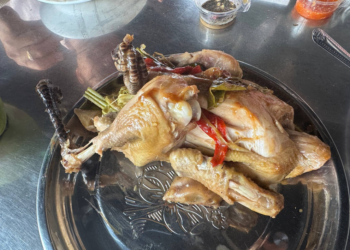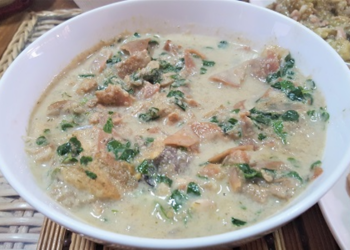

Ginger chicken, known locally as chha khnhei sach moan (ឆាខ្ញីសាច់មាន់), is one of the most beloved and enduring dishes in Cambodian cuisine. Fragrant, mildly spicy, and deeply comforting, this dish exemplifies the Cambodian culinary philosophy: fresh ingredients, balanced flavors, and traditional techniques passed down through generations. It is a staple in households across the country, enjoyed by people of all ages and walks of life, from bustling Phnom Penh kitchens to rural homes in the provinces.
Origins and Cultural Context
While it is difficult to trace the exact origin of ginger chicken in Cambodia, the dish is deeply rooted in Southeast Asian cooking, where the use of fresh herbs and spices is common. Ginger, or khnhei (ខ្ញី) in Khmer, has long been cultivated in the region and is a cornerstone of traditional medicine as well as gastronomy. In Cambodian culture, ginger is not just a flavor enhancer but also believed to have warming properties, aiding digestion and circulation, which makes it particularly popular during the rainy season or cooler months.
Chicken is a widely available and affordable protein in Cambodia, making it a practical choice for everyday meals. Unlike in Western countries where chicken may be served as whole roasted parts, in Cambodia, the chicken is often chopped into small, bone-in pieces to maximize flavor and accommodate the local style of eating, which involves rice and shared dishes.
Ingredients and Preparation
The ingredients for Cambodian ginger chicken are simple and accessible, yet their combination yields an aromatic and savory profile. A typical recipe includes:
– Chicken (usually skin-on and bone-in pieces)
– Fresh ginger, julienned or finely sliced
– Garlic
– Shallots
– Fish sauce
– Soy sauce
– Sugar (typically palm sugar)
– Black pepper (optional)
– Oyster sauce (optional)
– Green onions or chives (for garnish)
– Vegetable oil
The cooking process is straightforward but requires careful balance. First, oil is heated in a wok or deep pan, the sugar is added, and aromatics like garlic, shallots, and ginger are sautéed until fragrant. The chicken is then added and stir-fried until lightly browned. Sauces are introduced gradually to develop the flavor, followed by a dash of water or broth to simmer the meat until tender. The result is chicken coated in a savory-sweet glaze with the distinctive warmth of fresh ginger permeating every bite.
Many Cambodian families add their own twist. Some use more sugar for a caramelized effect, while others intensify the ginger for a spicier kick. In the countryside, you may even find versions using galangal or lemongrass for extra complexity. This flexibility reflects the Cambodian approach to home cooking—practical, intuitive, and adaptive.
Regional Variations and Household Versions
Though the basic concept of ginger chicken remains consistent, the dish sees slight regional and familial variations. In urban areas like Phnom Penh, oyster sauce or a pinch of MSG might be added for umami. In the provinces, cooks might use homemade fermented sauces or even roasted coconut for added depth.
Some versions incorporate vegetables like wood ear mushrooms, bamboo shoots, or even thin slices of green papaya. These not only bulk up the dish but contribute texture and nutrition, reflecting the Cambodian practice of frugal, nourishing meals.
In more traditional homes, clay stoves and cast-iron pans are still used, lending the dish a subtle smoky flavor that is hard to replicate with modern gas stoves. This rustic version is often favored during family gatherings or Buddhist holidays, where the act of cooking is also one of bonding and remembrance.
Role in Cambodian Daily Life
Ginger chicken is not considered a luxury dish — it is humble and practical, often appearing on the family dinner table multiple times a month. It pairs perfectly with steamed jasmine rice, which soaks up the rich, gingery sauce. Because the chicken is usually chopped into small pieces, it stretches farther and can serve a family with minimal meat, a reflection of Cambodia’s culinary efficiency.
The dish is also common in street-side eateries and traditional restaurants. While not always highlighted on tourist menus, ginger chicken remains a local favorite, offering a more intimate taste of everyday Khmer life than more elaborate dishes like amok or lok lak.
Health and Nutritional Aspects
Ginger chicken also holds a special place in Cambodian food-as-medicine beliefs. Ginger is known for its anti-inflammatory and digestive benefits. In Khmer traditional medicine, it’s used to treat colds, nausea, and joint pain. As a result, ginger chicken is often prepared for people recovering from illness or childbirth.
The use of fresh herbs and the relatively low amount of oil compared to deep-fried dishes makes ginger chicken a healthy option. The protein from chicken, combined with the antioxidants in ginger and garlic, aligns with the balanced diet promoted by modern nutritionists as well as ancient wisdom.
Ginger Chicken in Modern Cambodian Cuisine
With the growth of Cambodian culinary identity on the global stage, dishes like ginger chicken are finding their way into international homes and menus. Chefs from the Cambodian diaspora have included ginger chicken in cookbooks and food blogs, presenting it as a simple yet flavorful introduction to Khmer cooking.
In Cambodia, as tastes evolve and urban palates become more diverse, ginger chicken remains relevant. It is now often served alongside other comfort foods like samlor korko (vegetable stew), fried morning glory, or even modern takes like quinoa or brown rice. Some upscale restaurants in Phnom Penh and Siem Reap are reinterpreting the dish with free-range chicken or organic ingredients, though the heart of the dish — a warming plate of ginger-laced protein — remains unchanged.
A Symbol of Home
Ultimately, Cambodian ginger chicken is more than just a recipe — it is a symbol of home and familiarity. For Cambodians abroad, the scent of ginger sizzling in oil can instantly evoke memories of family kitchens and shared meals. It’s a dish that teaches generations how to cook and offers nourishment both physical and emotional.
In a country where food is deeply tied to family, community, and cultural identity, chha khnhei sach moan holds its place with quiet dignity. It may not be flamboyant or ceremonious, but it is loved — deeply and universally — across Cambodia.