
Introduction
The kouprey (គោព្រៃ, Bos sauveli), often called the “forest ox” or “grey ox,” stands as one of Asia’s most mysterious and endangered large mammals. This enigmatic bovine, Cambodia’s national mammal, has captured the imagination of zoologists and conservationists for decades while simultaneously eluding definitive scientific study. With its distinctive appearance and secretive behavior, the kouprey represents both a zoological puzzle and a conservation priority in Southeast Asia’s threatened ecosystems.
Physical Characteristics
The kouprey presents a striking physical appearance that distinguishes it from other wild cattle species in Asia. Adults typically stand 1.7-1.9 meters (5.6-6.2 feet) at the shoulder and weigh between 700-900 kilograms (1,500-2,000 pounds), with males being significantly larger than females. Their most notable feature is the impressive set of horns that curve upward and forward in both sexes, with male horns reaching up to 80 cm (31 inches) in length and often displaying frayed tips from rubbing against trees.
The species exhibits sexual dimorphism in both size and coloration. Males develop a dark brown or black coat as they mature, while females and juveniles maintain a more grayish hue—this characteristic gray coloration gives the kouprey its Khmer name meaning “forest ox.” Both sexes have white stockings on their lower legs and a dewlap hanging from their neck. The kouprey’s elongated face and large, expressive eyes contribute to its distinctive appearance among wild cattle species.
Habitat and Distribution
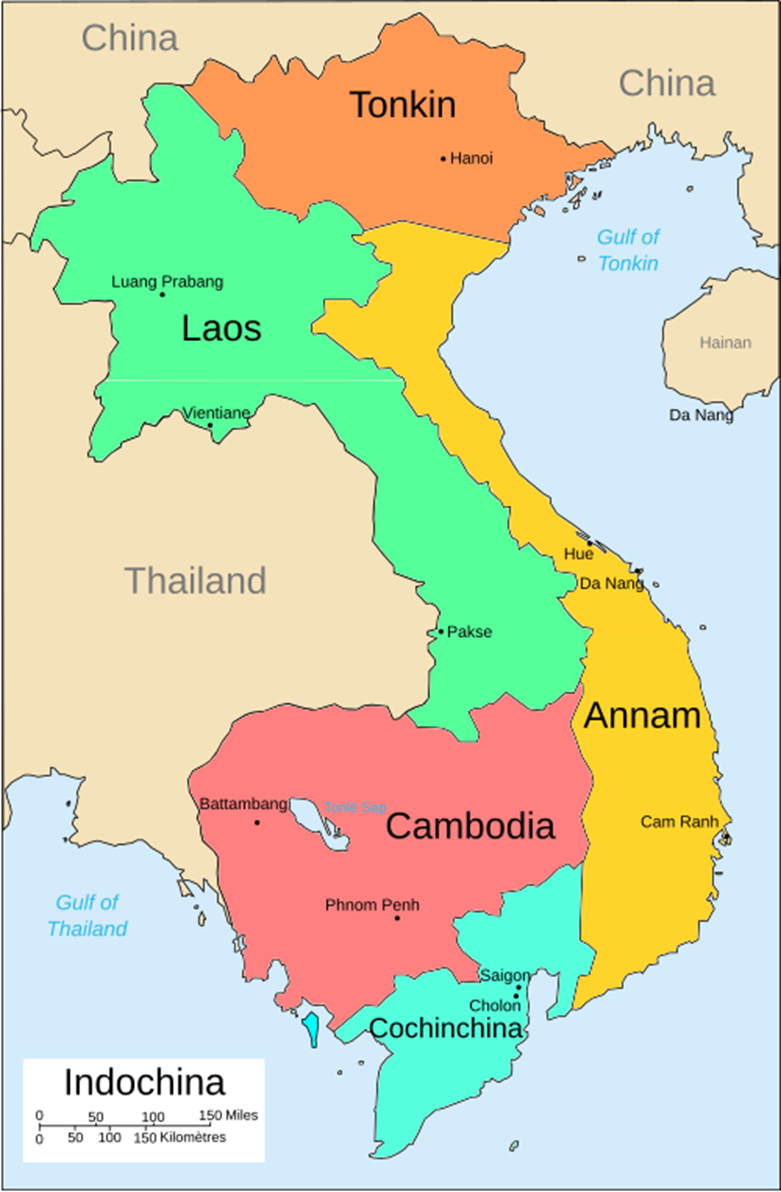
Historically, kouprey ranged across the open forests and savanna landscapes of northeastern Thailand, southern Laos, and most of Cambodia. Today, its distribution—if it still exists in the wild—has shrunk dramatically to possibly a few isolated areas along the Cambodia-Laos border.
The kouprey’s preferred habitat consists of:
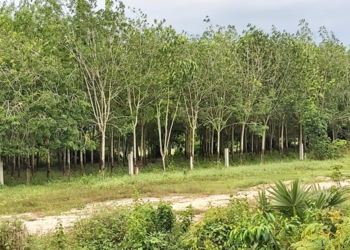
– Open dry dipterocarp forests
– Mixed deciduous forests
– Forested hills up to 500 meters elevation
– Transition zones between forests and grasslands
These habitats provide the mosaic of vegetation types the kouprey requires—dense forest for shelter during the hottest parts of the day and more open areas for grazing at dawn and dusk. The species appears particularly dependent on seasonal water sources, migrating to follow water availability during Cambodia’s distinct wet and dry seasons.
Behavior and Ecology
As one of the least studied large mammals in Asia, much of the kouprey’s behavior remains speculative or based on limited observations. The species appears to be primarily crepuscular (active at dawn and dusk), resting in dense forest cover during the heat of the day. Kouprey are social animals, typically seen in small herds of up to 20 individuals, though historical accounts mention larger aggregations during the dry season.
Their social structure seems to follow patterns seen in other wild cattle:
– Nursery herds of females and juveniles
– Bachelor groups of younger males
– Solitary dominant bulls during mating season
Kouprey are mixed feeders, grazing on grasses but also browsing leaves, shoots, and fruits. Their diet likely changes seasonally based on availability, with more grazing during the wet season when grasses are plentiful and increased browsing during the dry season. Like other forest bovines, they probably play an important ecological role in seed dispersal and maintaining open areas in forest ecosystems.
Reproduction and Life Cycle
The kouprey’s reproductive biology remains poorly documented, with most information coming from captive specimens or extrapolated from related species. Key aspects include:
– Mating season: Believed to occur in April-May, coinciding with the start of the rainy season
– Gestation: Estimated at 8-9 months based on related species
– Calving: Likely occurs December-January when food is most abundant
– Offspring: Females typically bear a single calf, which remains hidden in vegetation for the first weeks of life
– Maturity: Probably reached at 4-5 years for females, 5-7 years for males
The species’ slow reproductive rate—producing only one calf every other year at most—makes population recovery particularly challenging in the face of hunting pressure and habitat loss.
Conservation Status and Threats
The International Union for Conservation of Nature (IUCN) currently lists the kouprey as Critically Endangered (Possibly Extinct). The last confirmed scientific observation of a kouprey in the wild occurred in 1988, though unverified reports persist. The species faces multiple threats that have driven its precipitous decline:
1. Hunting: Historically hunted for meat, horns, and as trophies. During the Indochina wars, soldiers frequently hunted kouprey for food.
2. Habitat loss: Conversion of forests for agriculture, especially in Cambodia’s northern plains.
3. Hybridization: Potential interbreeding with domestic cattle and banteng (another bovine present in Cambodia), diluting the gene pool.
4. Disease transmission: Possible susceptibility to diseases from domestic livestock.
5. Political instability: Decades of conflict in Cambodia hampered conservation efforts.
The total population—if any survive—likely numbers fewer than 50 mature individuals, making it one of the world’s rarest large mammals.
Conservation Efforts
Despite the bleak outlook, several initiatives have attempted to conserve the kouprey:
1. Protected areas: Cambodia established protected areas in potential kouprey habitat, including Preah Vihear Protected Forest.
2. Legal protection: The species is legally protected in Cambodia, Laos, and Vietnam.
3. Research expeditions: Numerous surveys, including camera trap projects, have sought evidence of surviving populations.
4. Captive breeding: Attempts in the 1960s-70s failed to establish a captive population.
5. Community engagement: Programs to reduce hunting pressure in key areas.
The kouprey’s status as Cambodia’s national mammal and as symbol of Mondul Kiri province provides cultural motivation for its conservation, featured on stamps and as a symbol of natural heritage.
The Taxonomic Debate
The kouprey’s classification has sparked scientific controversy. Some researchers suggest it may represent a hybrid between banteng and zebu cattle rather than a distinct species. Genetic studies have been inconclusive due to limited samples. The debate highlights the challenges of studying cryptic species that became rare before modern scientific methods could properly examine them.
Cultural Significance
In Cambodian culture, the kouprey holds special status:
– National symbol representing wild nature
– Featured in traditional stories and art
– The “kouprey dance” mimics its movements in cultural performances
– Considered a symbol of good fortune by some indigenous groups
This cultural importance could be leveraged to strengthen conservation efforts if the species is rediscovered.
The Possibility of Rediscovery
While most experts believe the kouprey is likely extinct, some factors leave room for cautious hope:
– Vast, inaccessible areas of potential habitat remain in Cambodia and Laos
– Similar species like the saola were discovered recently in the region
– Local reports continue to surface, though unverified
– Improved survey methods (camera traps, DNA analysis) could confirm any survivors
Any rediscovery would require immediate, intensive protection measures to prevent final extinction.
The kouprey stands as a sobering reminder of how little we know about Earth’s biodiversity and how quickly species can disappear. Whether still clinging to existence in remote forests or already gone, this enigmatic bovine represents both the fragility of Southeast Asia’s ecosystems and the importance of proactive conservation. The kouprey’s story—of scientific mystery, cultural significance, and conservation challenge—continues to inspire efforts to protect Cambodia’s remaining wild places and the biodiversity they contain. Its uncertain fate underscores the urgent need for comprehensive surveys and habitat protection throughout its former range, not just for this species but for the entire ecosystem of which it was once part.