Straddling the borderlands of Cambodia and Laos, the Khmer Lao people embody centuries of shared culture, language, and belief. From their intertwined history along the Mekong River to their evolving identity in modern Southeast Asia, this article explores who the Khmer Lao are, where they live, and how their heritage continues to shape both nations today.
The Khmer Lao people represent a fascinating cultural confluence between two ancient civilizations — the Khmer of Cambodia and the Lao of Laos. Living mainly along the southern reaches of the Lao People’s Democratic Republic and northern provinces of Cambodia, they share deep historical, linguistic, and spiritual ties.
This article aims to uncover the roots, culture, and present-day life of the Khmer Lao people. For readers interested in Southeast Asian ethnography, borderland identity, or cultural anthropology, it offers an accessible yet comprehensive look at one of the region’s less-documented communities. By the end, you’ll understand not only who the Khmer Lao are but also how their heritage links the wider Khmer and Lao worlds.

Origins of the Khmer Lao People
From Ancient Kingdoms to Modern Borders
The Khmer Lao (Khmer: ខ្មែរឡាវ) identity was born out of overlapping histories rather than clear lines. In premodern times, the Khmer Empire (9th–15th centuries) extended far into present-day Laos, while Lao polities like Lan Xang also influenced eastern Cambodia. The populations that lived along today’s Stung Treng, Champasak, and Attapeu regions existed in fluid cultural zones where intermarriage and political alliances blurred nationality.
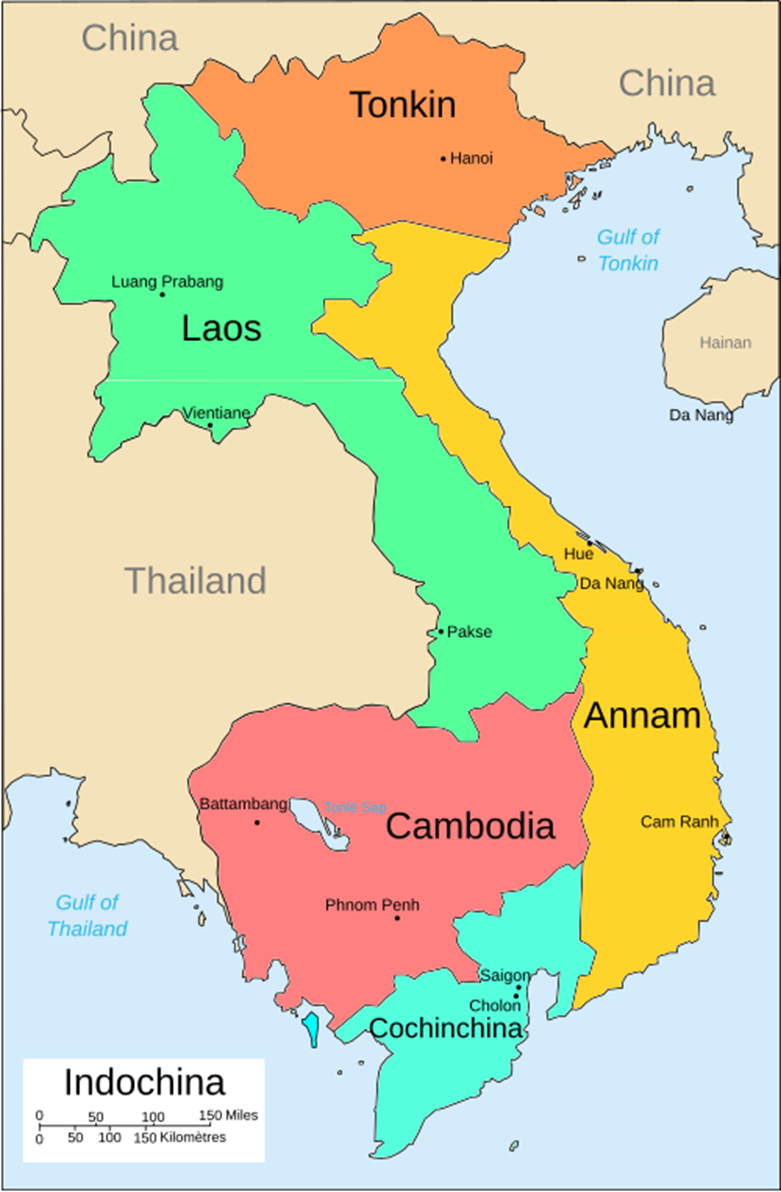
After the fall of Angkor and the rise of regional kingdoms, migration along the Mekong intensified. Khmer-speaking communities moved northward, while Lao settlers and administrators extended influence south. By the colonial period, the French Indochina administration officially drew boundaries — but communities who saw themselves as both Khmer and Lao often remained unconcerned with these new lines.
Linguistically, the Khmer Lao speak varieties influenced by both Khmer and Lao languages. Many are bilingual, able to move seamlessly between Khmer, Lao, and regional dialects such as the Stung Treng Khmer. Linguists often describe these borderland dialects as “transition languages,” illustrating centuries of cultural contact.
This bilingualism extends beyond words — it carries with it hybrid oral traditions, folk songs, and religious vocabulary. Even Buddhist concepts and rituals mix Khmer Theravada monastic practices with Lao customs surrounding festivals like Boun Ok Phansa or Kathin.
Most Khmer Lao communities live along the Mekong basin — particularly around southern Laos (Champasak, Sekong, Attapeu) and northeastern Cambodia (Stung Treng, Preah Vihear, and Ratanakiri). Their villages are typically located near rivers or fertile floodplains conducive to rice cultivation.
This proximity to the river is no accident. For centuries, the Mekong has served as the lifeline connecting markets, religious centers, and families spread across both sides of the border. In daily life, many Khmer Lao still rely on small boats for transport, trade, and fishing, maintaining ancient ties to the river’s cycles.
Contemporary migration continues to shape Khmer Lao identity. The younger generation often moves to cities like Pakse or Phnom Penh in search of education and employment, while seasonal migration across the border remains common. Despite increasing urbanization, most Khmer Lao still identify strongly with their local communities, marking both Khmer and Lao festivals as part of their yearly rhythm.
Cultural Identity and Traditions
Language, Dress, and Daily Life
In dress and lifestyle, Khmer Lao communities reveal both shared and unique traditions. Cambodian-style sampot and Lao-style pha sin coexist in wardrobes, often worn interchangeably depending on the occasion. Cuisine, too, bridges tastes — fermented fish (prahok in Khmer, pa daek in Lao), sticky rice, and spicy salads are staples of their diet.
Home construction, agricultural methods, and craftwork reflect centuries of adaptation to the Mekong ecosystem. Basket weaving, silk production, and rice farming remain central economic activities, with many families maintaining cross-border trade connections through markets in Kratie or Champasak.
Buddhism is the shared spiritual heart of Khmer Lao life. Village temples (called wat) often host both Khmer and Lao monks, and local scripts — the Khmer aksar mul and the Lao tham — may both appear in inscriptions. Festivals celebrate the Buddhist calendar while incorporating animist and ancestral rituals.
For instance, during the Boun Bang Fai (rocket festival), Khmer Lao villagers launch handcrafted rockets to call for rain — a practice rooted in Lao traditions yet popular among Khmer farmers in the north. Similarly, Kathina ceremonies and ghost offerings show localized expressions of gratitude, protection, and harmony with nature.
The Modern Khmer Lao Experience
Challenges and Cultural Preservation
Modernization and cross-border development have brought both progress and pressure. Infrastructure projects, hydropower dams, and tourism affect traditional livelihoods along the Mekong. As younger generations receive national-level education, maintaining bilingual fluency and traditional crafts can become more difficult.
However, cultural resilience is strong. Local NGOs and provincial cultural departments increasingly document oral histories and festivals, while cross-border cultural exchanges promote the idea of shared heritage rather than ethnic division. Recognizing the Khmer Lao legacy helps reinforce mutual respect between neighboring countries.
In contemporary society, the Khmer Lao embody transnational identity — not confined by nationality but celebrated for their hybridity. Modern festivals, music, and gastronomy are now reinterpreted for tourism and cultural diplomacy.
In many ways, the Khmer Lao remind Southeast Asia of something essential: cultural exchange does not weaken identity; it enriches it.
The Khmer Lao people are more than a regional curiosity — they are living symbols of Southeast Asia’s interconnected past and present. Their bilingual traditions, river-based livelihoods, and shared Buddhist practices highlight how culture flows freely, even when politics draws borders. To understand the Khmer Lao is to appreciate the Mekong as more than a river — it is the lifeblood of a shared civilization.
- Grant Evans, Laos: Culture and Society: The first comprehensive social and cultural study of this fascinating part of the world in forty years. For too long Laos has been overshadowed by studies of neighboring societies.
- Alexander Horstmann, “States, Peoples, and Borders in Southeast Asia” – Article published in the Kyoto Review of Southeast Asia
Pascal Médeville is a writer and digital publisher specializing in Southeast Asian cultures and borderland identities. Through websites such as Wonders of Cambodia and Khmerologie, he documents the region’s living heritage, from language and folklore to gastronomy and religion.