
Introduction
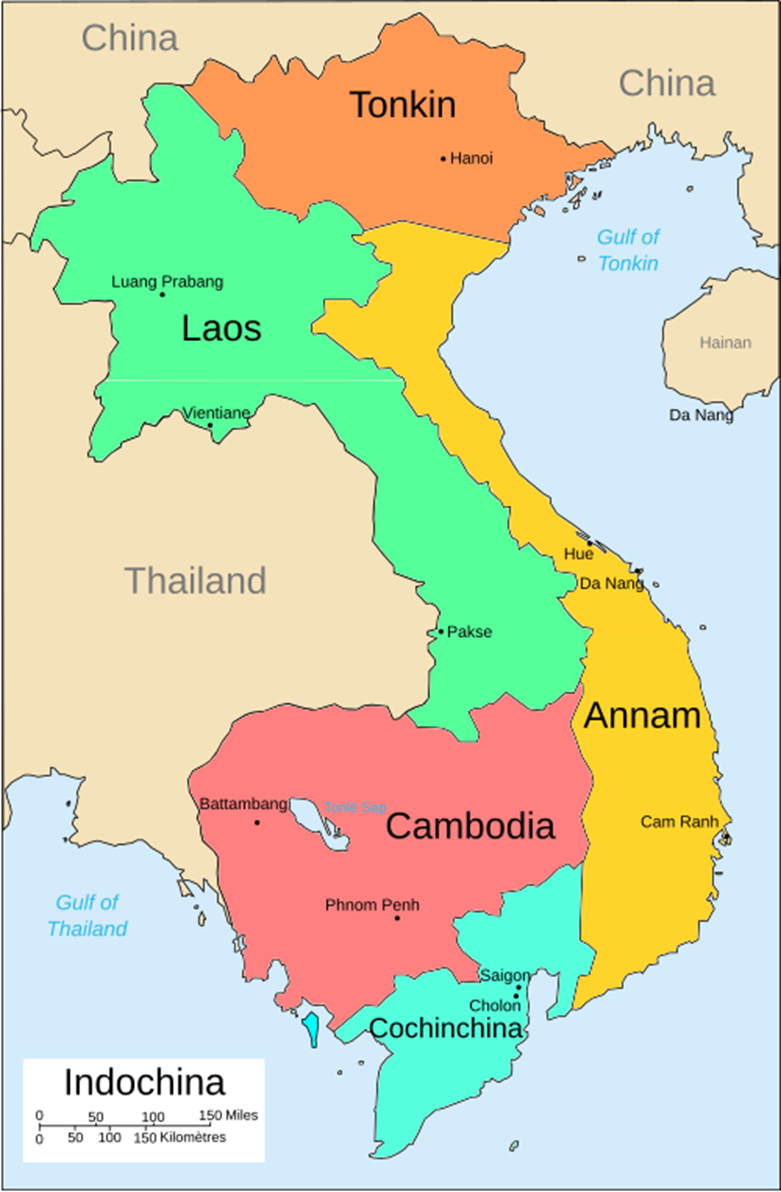
Tucked in the remote northeastern corner of Cambodia lies Ratanakiri (រតនគីរី), a province that stirs the imagination with its dramatic highland scenery, vibrant indigenous cultures, and rich natural resources. Nicknamed the “Gem Mountains,” Ratanakiri has long been a land apart — a boundary between the dense rainforests of the Annamite Range and the pastoral river valleys of the Mekong basin, and between the traditions of hill tribes and the emerging rhythms of modern Cambodia.
History and Administration
Ratanakiri became a formal province in 1959 when it separated from Stung Treng, responding to administrative needs in the growing northeast. The provincial capital is Ban Lung, a lively town ringed by crimson dirt roads and the pulsating heart of the region’s modern development. Administratively, the province consists of one municipality and eight districts, encompassing 46 communes and more than 240 villages.
Geography and Natural Environment
Spanning over 10,782km², Ratanakiri stretches from the verdant peaks of the Annamite Range along its northern border with Laos and Vietnam to the fertile, rolling basalt plateaus that define much of its heartland. Two major rivers, the Tonle San and Tonle Srepok, slice across the province, nurturing lush valleys and serving as lifelines for communities and wildlife alike.
The landscape is staggeringly diverse, encompassing:
- Rugged mountain uplands in the north.
- Rolling hills and plateaus of volcanic red earth — ideal for agriculture coasted by secondary forests.
- Lowland tropical deciduous forests and watersheds in the south.
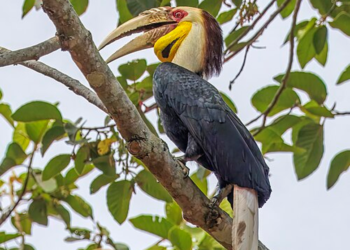
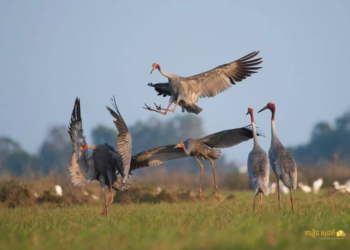
Ratanakiri is a biodiversity hotspot, with vast swathes of primary and secondary forests that house rare wildlife, including elephants, gibbons, and parrots. Protected areas like Virachey National Park and Lumphat Wildlife Sanctuary stand as sanctuaries for hundreds of endangered species, drawing eco-adventurers from around the world.
The climate follows the monsoonal pattern typical of Cambodia, with a rainy season from June to October, a cooler season from November to January, and a hot season from March to May. The plateau’s elevation ensures temperatures are generally cooler than the rest of the country.
People and Cultures
One of Ratanakiri’s most striking features is its human diversity. The province is home to more than 184,000 people, with ethnic minorities — the Khmer Loeu — forming about 75% of its total population. Eight primary groups — Tampuan, Kreung, Jarai, P’nong, Ka Vet, Ka Chak, Lun, and Charay — maintain distinct traditions, languages, and spiritual beliefs.
Traditional Life
Most indigenous residents practice shifting (slash-and-burn) agriculture, raising rice, tubers, and vegetables. Barter and local trade remain prevalent, and until recent decades, villages saw limited cash circulation.
Villages are often organized around communal longhouses or circular clusters centered on meeting halls, varying by ethnic group. Their deep connection to the forest is reflected in reverence for spirits associated with natural sites — certain trees, lakes, or volcanic craters are taboo, and spirits must be appeased through ceremonies.
Festivals and Arts
Ratanakiri pulses with rich animistic traditions. Ceremonies and communal festivals mark agricultural cycles, transitions in life, and spiritual rites. The region is famous for:
- Vibrant sacrificial festivals in March and April as new fields are blessed.
- Distinctive weaving and woodcarving, particularly practiced by the Tampuan and Jarai peoples. Textiles are adorned with bright patterns symbolizing local myths.
- Traditional music and dance, featuring bamboo and gongs, are integral during celebrations and rituals.
Foodwise, the cuisine is tied to indigenous staples: rice, fresh-caught fish, tropical fruits, steamed bamboo dishes, wild herbs, and homemade rice wine.
Economic Landscape
Ratanakiri’s economy remains rooted in agriculture. The mainstays are subsistence rice farming, root crops, and gathering forest produce — bamboo, mushrooms, and medicinal plants. Recently, there’s been a significant push toward cash crops: rubber, cashews, cassava, and pepper plantations are now prominent across the plateau.
Gem mining, particularly for blue zircon, amethyst, and sapphire, has been a regional hallmark, often pursued in small-scale, traditional pits, but increasingly dominated by larger commercial operations.
Despite this emerging boom, Ratanakiri is among Cambodia’s least developed provinces. Infrastructure is basic, with patchy road networks, limited electrification, and basic healthcare. Average incomes are lower than the national average, and many remote villages have limited access to government services or markets.
Efforts to attract investment, including economic land concessions for agro-industry and cattle breeding, are reshaping parts of the province. While these bring opportunities, they also spark concerns about land alienation and environmental impacts.
Challenges: Development and Preservation
Ratanakiri’s remote location, marked by weak infrastructure and a fragile health system, has long insulated its communities from mainstream Cambodian society. Life expectancy is lower than elsewhere in the country, and educational attainment remains a challenge in some villages.
At the same time, the last two decades have brought significant transformation:
- Major logging and mining operations have fundamentally altered portions of the landscape, threatening forests and traditional livelihoods.
- Land concessions to external companies risk dispossessing indigenous people of ancestral lands.
- Migration, road-building, and new economic ties have introduced outside influences, changing traditional ways of dress, music, and governance.
- Disease — especially malaria — remains a major concern, particularly in interior villages.
Yet, Ratanakiri’s peoples have shown resilience, blending indigenous customs with selected aspects of modern life and outside religions.
Tourism: Wild Frontiers and Cultural Encounters
Ratanakiri has emerged as Cambodia’s “eco-tourism capital,” luring adventurous travelers with its pristine forests, waterfalls, crater lakes, and vibrant minority villages.
Top Attractions and Activities
- Yeak Loam Lake: A perfect volcanic crater lake fringed by dense trees, ideal for swimming and learning about minority culture at the on-site museum.
- Virachey National Park: Expansive rainforest offering treks, birdwatching, and sightings of elephants, gibbons, and rare birds.
- Waterfalls: Kachang and Ka Tieng Waterfalls, easily reached from Ban Lung, offer tranquil settings for picnics and swims.
- Ethnic Village Homestays: Immersive experiences with Tampuan, Jarai, or Kreung communities, learning about crafts, rituals, and everyday village life.
- Trekking: Exploring jungle trails, observing wildlife, and experiencing survival skills in the forest.
- Market Days in Ban Lung: A bustling display of local life, where highland peoples and lowland Khmer mix, trade goods, and share news.
Sustainable Tourism
Eco-tourism operators now offer guided excursions emphasizing responsible travel, biodiversity, and cross-cultural understanding. Travelers contribute to preserving traditions and support community-based enterprises.
Ratanakiri remains a province of boundaries — between forest and field, tradition and change, isolation and connection. Its wild beauty and richness of culture offer a window into Cambodia’s diverse possibilities. As roadways bring the outside world closer, Ratanakiri stands at the crossroads of conservation and development, ancient rhythms and new aspirations, quietly inviting those ready for authentic encounters.