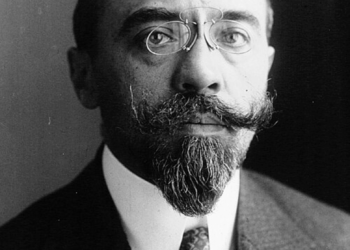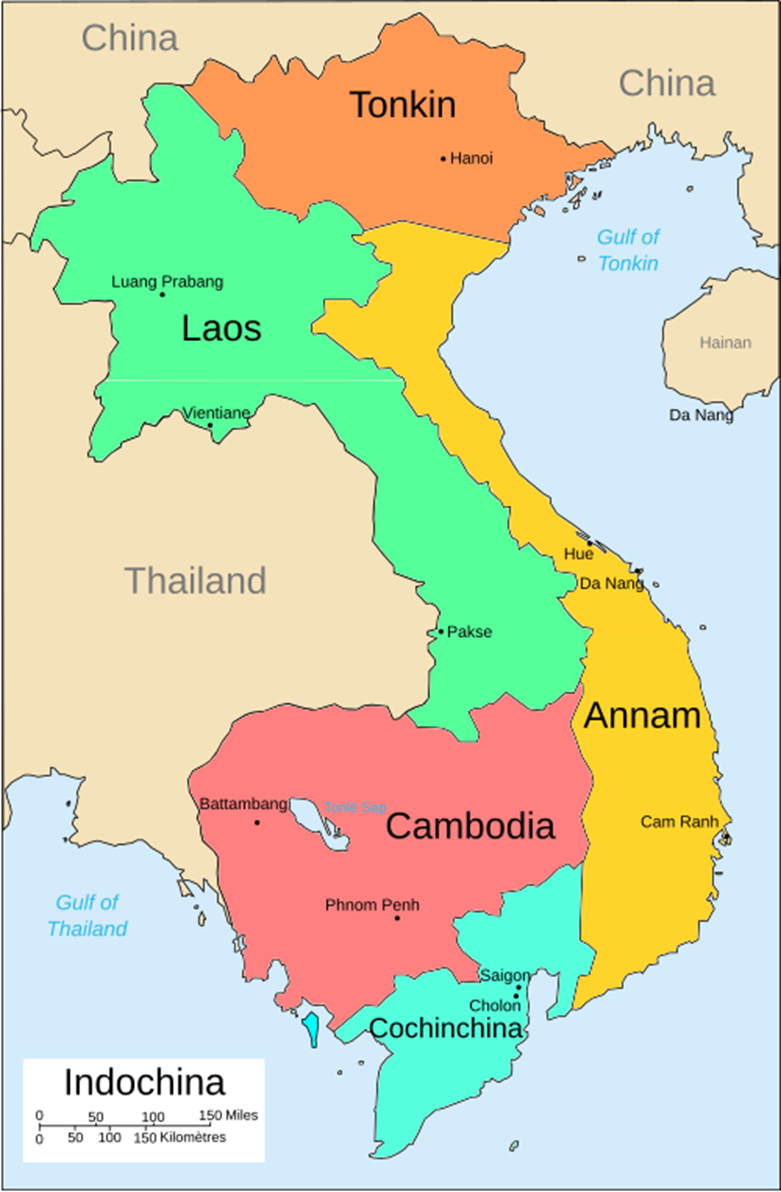
King Sisowath Monivong was a pivotal monarch of the French Protectorate of Cambodia whose reign (1927–1941) bridged traditional royal authority and the turbulent politics of colonial Indochina.
Early life and royal background
Sisowath Monivong was born on 27 December 1875 in the Khemarin Palace in Phnom Penh, then part of the French Protectorate of Cambodia. He was the eldest son of King Sisowath, founder of the House of Sisowath, which alternated on the Cambodian throne with the House of Norodom under French supervision.
Raised in the royal court, Monivong received a traditional Khmer education along with exposure to French language and culture, reflecting the protectorate’s dual system. His early years unfolded at a time when French authorities were consolidating control over Cambodia within French Indochina, limiting the effective political power of the monarchy.

As a young prince, Monivong was destined for a public role but initially pursued a military career rather than immediate involvement in court politics. This trajectory would shape his outlook and underline his later status as a cooperative yet largely ceremonial sovereign under colonial rule.
Military training and Foreign Legion service
In the 1890s Monivong was sent to France for officer training, a rare path for a Cambodian prince and a clear sign of the close, asymmetric relationship between the royal house and the colonial power. He studied at the École Militaire in French territory and after graduating with the rank of sous‑lieutenant, he went to serve in the French Foreign Legion.
After graduation he served in various postings, including Brive and Paris, gaining familiarity with European military discipline and administration. This experience distinguished him from many Southeast Asian contemporaries, who often remained within traditional court or local administrative roles.
Monivong returned to Cambodia in 1909 and continued to climb the military hierarchy within the colonial framework. He was promoted to lieutenant in 1910, captain in 1916, and chief of battalion in 1922, before leaving active service in the same year.
During the First World War he played a notable role in recruiting Cambodian volunteers and workers for French war efforts, earning French decorations and high Cambodian titles for his services. This dual recognition reinforced his position as a loyal intermediary between France and the Cambodian elite, a role that foreshadowed his later kingship.
Accession to the throne and limited royal power
Monivong ascended the throne in 1927 following the death of his father, King Sisowath, becoming king of Cambodia at the age of 52. His coronation ceremonies took place in July 1928, but his reign was officially reckoned from 9 August 1927.
As king, Monivong ruled a protectorate where the French Resident General and colonial administration held real executive authority. Contemporary observers and later historians often describe him as a figurehead monarch who “caused the French no trouble,” underlining his cautious and accommodating stance.
The royal council that surrounded Monivong included senior members of the House of Sisowath and related branches, but their role was largely advisory within a framework defined by French interests. The monarchy preserved ceremonial and religious prestige, especially as guardian of Buddhism and Khmer culture, even as political power shifted decisively to colonial officials.
During the 1930s, new currents began to circulate in Cambodia, including anti‑colonial and communist ideas linked to developments in neighboring Vietnam. The founding of the Indochinese Communist Party by Ho Chi Minh in 1930 increased ideological ferment in the region, and Cambodian activists gradually picked up these influences, though open opposition remained limited during Monivong’s reign.
Cambodia under Monivong: modernization and tensions
Despite the constraints of colonial rule, Monivong’s reign coincided with several important developments in Cambodian infrastructure and public life. Rail links, including a line connecting Phnom Penh toward the Siamese (Thai) border, expanded during this period and supported greater circulation of goods and people.
French administrators promoted public works and limited educational initiatives, while maintaining firm control over political expression and national resources. For many Cambodian subjects, the king remained a respected symbol of continuity, but real decisions about taxation, law, and foreign relations came from the colonial hierarchy.
The 1930s also saw the creation of the first Cambodian‑language newspaper, often cited as Nagara Vatta, associated with the Buddhist Institute and early Khmer intellectual circles. This budding public sphere nurtured nationalist sentiments that would only fully emerge after Monivong’s death, but the groundwork was laid during his time on the throne.
As regional tensions rose—with Siam (Thailand) asserting claims and the global situation deteriorating toward the Second World War—Cambodia’s strategic importance within French Indochina became more pronounced. Yet Monivong remained largely excluded from shaping foreign or military policy, reflecting the structural limits placed on the protectorate monarchy.
Final years, death at Bokor and legacy
In his later years, Monivong reportedly withdrew increasingly from day‑to‑day affairs, spending more time away from the capital. As French authority was challenged by rising Japanese power in the region and by Thai territorial ambitions, the political atmosphere in Indochina grew more precarious.

Monivong died in April 1941 at Bokor Hill Station near Kampot, a highland resort favored by the colonial elite and royal family for its cooler climate. His passing at the remote station symbolically marked the end of an era just as the Second World War and Japanese presence were about to transform Cambodia’s political landscape.
After his death, the French selected his young grandson Norodom Sihanouk as king, calculating that a youthful and presumably pliable monarch would best suit their purposes. Sihanouk would later become a dominant figure in Cambodian politics, steering the country through independence and multiple regime changes, which in retrospect makes Monivong’s reign look like a transitional phase.
Monivong’s memory is preserved in several Cambodian landmarks, most notably the Preah Monivong National Park, which includes the Bokor area where he died. His name thus remains attached both to a period of cautious royal accommodation under colonial rule and to a protected natural landscape that many Cambodians and visitors still enjoy today.

Why Sisowath Monivong matters today
For students of Cambodian history, Monivong exemplifies the constraints placed on colonized monarchies in the early twentieth century. His reign illustrates how royal institutions could survive as cultural and religious symbols while losing substantive control over policy and resources.
For readers interested in the broader story of French Indochina, his life connects multiple themes: royal education in Europe, indigenous participation in imperial armies, and the gradual emergence of nationalist and radical movements. Understanding Monivong helps explain the setting into which Norodom Sihanouk rose and the long arc that led from protectorate status to independence.