Introductory Summary: Phnom Kulen National Park, located in Cambodia’s Siem Reap province, is a sacred mountain plateau celebrated as the birthplace of the Khmer Empire and the site of ancient Mahendraparvata. Rich in history, archaeology, and cultural heritage, this natural haven blends majestic waterfalls, sacred temples, Buddhist monuments, and the famous “River of a Thousand Lingas.” As both a pilgrimage destination and an ecotourism hotspot, Phnom Kulen offers visitors a journey through Cambodia’s ancient civilization, spiritual traditions, and breathtaking landscapes while supporting ongoing conservation of its forests, wildlife, and historical treasures.

Phnom Kulen, meaning “Lychee Mountain (Khmer: ភ្នំគូលែន),” is a revered sandstone plateau and mountain range located in Siem Reap Province, Cambodia. It is historically and spiritually regarded as the birthplace of the ancient Khmer Empire, the site where King Jayavarman II proclaimed independence from Java in 802 CE and established the foundations for the Angkorian civilization. Phnom Kulen remains one of Cambodia’s most sacred mountains, attracting religious pilgrims and tourists with its ancient temples, archeological sites, and stunning waterfalls.
Geographic Overview
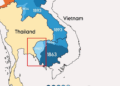
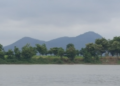
- Location and Physical Features: Phnom Kulen is situated about 48 km north of Siem Reap and stretches approximately 40 kilometers in a WNW–ESE direction. The mountain’s highest elevation reaches 487 meters, with the plateau averaging around 400 meters in height. It consists mainly of sandstone beds, a prominent feature used by the early Khmer civil engineers who quarried stone here for many of Angkor’s temples.
- Natural Landscape: The mountain is covered with thick forests and features impressive waterfalls, notably the Kulen Waterfall with a drop of roughly 20 meters. The area supports a rich biodiversity, with wildlife ranging from monkeys to various bird species. The forests and rivers of Phnom Kulen nourish the entire Angkor region, feeding the ancient city’s intricate hydraulic system and moats.
History and Cultural Significance
Birthplace of the Khmer Empire
- Jayavarman II’s Ascent: In 802 CE, King Jayavarman II declared himself Chakravartin (Universal Monarch) and the Angkorian Empire’s independence on Phnom Kulen. This act is considered the formal beginning of the Khmer Empire. Jayavarman II initiated the Devaraja (God-king) cult, which underpinned Angkorian kingship and religious practice. The mountain’s ancient name during his reign, Mahendraparvata (“Mountain of Great Indra”), signified its status as a sacred site.
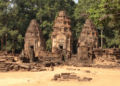
- Capital of an Early Metropolis: After Jayavarman II, Phnom Kulen developed as a metropolitan center under subsequent rulers such as Udayadityavarman II. The mountain was home to temples, residences, reservoirs, and sophisticated infrastructure. Archaeological evidence suggests it became one of the largest cities of the 11th century before the capital shifted to Angkor.
- Ongoing Sacred Value: Even after the seat of power moved away, Phnom Kulen continued to be venerated and occupied throughout the Angkorian period. Later kings consecrated temples and maintained religious structures here, and the site remained an important setting for royal ceremonies and worship.
Archaeological Sites and Temples
- 1,000 Lingas at Kbal Spean: One of Phnom Kulen’s most renowned features is the “River of a Thousand Lingas,” where hundreds of lingas (phallic symbols representing Shiva’s creative power) and yoni images are carved into the riverbed and banks. These carvings served as spiritual water purifiers, channeling blessings downstream to Angkor.
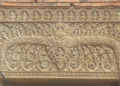
- Preah Ang Thom and Buddhist Monuments: The mountain hosts the 16th-century Preah Ang Thom monastery, famous for its colossal reclining Buddha — Cambodia’s largest. Other sacred sites include ancient brick temples and carved stone reliefs honoring Hindu and Buddhist deities.
- Angkorian Kilns and Kulen Ware: Phnom Kulen is notable for its green-glazed pottery, called Kulen ware, produced in ancient kiln sites on the plateau. Archaeological excavations have unearthed many such kiln sites, linking the mountain to the wider trade and artistic production of the Angkorian era.
The Spiritual Role and Pilgrimage
- Religious Importance: Phnom Kulen holds deep significance for both Hinduists and Buddhists. Cambodians visit the site for spiritual cleansing, prayer, and ceremonies, especially during festivals and weekends. Its holy water, cascading over carved lingas, is still used for traditional blessings and rituals.
- Modern Pilgrimage Hub: The large waterfall, the Preah Ang Thom pagoda, and other shrines draw thousands of devotees — both local and foreign — annually. Phnom Kulen’s continued sacred status reinforces its role as a living center of Cambodian spiritual practice.
Environmental and Ecological Aspects
- Water Source: Phnom Kulen is the origin of several major rivers, including the Siem Reap River, vital for local agriculture and Angkor’s ancient hydraulic urbanism. Its forests help sustain the region’s aquifer and ecological health.
- Biodiversity Conservation: The mountain supports critical wildlife habitats, protecting endemic species in one of Northwest Cambodia’s last tropical forests. Conservation efforts are underway to balance tourism, spiritual activity, and preservation of its environment.
Legacy, Rediscovery, and Modern Challenges
- Rediscovery and Study: Phnom Kulen was largely forgotten following the collapse of the Khmer Empire in the 15th century, until French explorers rediscovered its ruins in the early 20th century. Modern archaeological research has revealed details of ancient urban planning, infrastructure, and the existence of a royal palace, confirming its importance in early Cambodian history.
- Recent History: During Cambodia’s civil conflicts, especially in the 1970s and 1980s, Phnom Kulen served as a Khmer Rouge stronghold. It was not until relative peace returned that the mountain was again accessible for pilgrimage, research, and tourism.
- Tourism and Conservation: Phnom Kulen National Park was established to protect both its archaeological treasures and natural beauty. Challenges remain in preserving delicate ruins, controlling unchecked tourism, and conserving habitats. Projects continue to document, conserve, and showcase its legacy for future generations.
Key Sites and Features
- Phnom Kulen Waterfall: Large, scenic falls are a popular picnic site and spiritual attraction.
- Mahendraparvata: Remains of Jayavarman II’s ancient capital, with temples, reservoirs, and ruins exposed by jungle expeditions.
- Kbal Spean (“River of a Thousand Lingas”): Riverbed carvings dating to the Angkorian era.
- Preah Ang Thom: Home to the massive reclining Buddha statue, an epicenter of Buddhist worship.
- Angkorian Kilns and Pottery: Sites where the distinctive Kulen ware pottery was produced, found in ruins and archaeological digs on the plateau.
- Ancient Reservoirs and Earthworks: Evidence of Angkorian engineering, including mounds, dykes, and channels.
Visiting Phnom Kulen Today
Phnom Kulen’s spiritual, archaeological, and natural attractions make it a top destination for culture seekers in Cambodia. The park includes jungle trekking, waterfall swimming, visits to remote temples, and educational opportunities to learn about Cambodia’s early civilization—the rise of Angkor, its sacred traditions, and the triumphs and tragedies of its history.
Tourists are advised to respect local customs, contribute to preservation efforts, and appreciate the site’s environmental and cultural sensitivity.