


Introduction
Located in Cambodia’s northeast, Stung Treng Province (ស្ទឹងត្រែង) is a tranquil region where culture, history, and nature converge. With its northern border touching Laos, Stung Treng offers a unique blend of riverside communities, lush forests, and centuries-old traditions. Though its population is small and the region less developed than Cambodia’s lowlands, Stung Treng plays a vital role in the country’s ecological diversity and cultural identity.
Geography and Nature
Stung Treng stretches across a vast area of countryside, much of it shaped by the sweeping waters of the Mekong River and its main tributaries: the Sekong and Sesan. These rivers carve fertile banks and create a patchwork of wetlands, sandy islands, and dense tropical woods teeming with wildlife. The landscape supports a remarkable range of plant and animal species, including rare aquatic mammals and a variety of birds, making it a paradise for nature lovers and a critical region for conservation.
The province’s wild stretches of river and its protected wetlands make it ideal for activities like birdwatching, river kayaking, and exploring secluded islands. The natural beauty here is unspoiled, giving visitors a glimpse of a quieter, more timeless Cambodia.
Historical Significance
Stung Treng’s history is shaped by its borderland position. For centuries, it served as a gateway between different kingdoms, cultures, and trade influences. The province has changed hands multiple times — once governed by various Cambodian and Lao rulers, at times caught between Siamese influence and the reach of Lao states.
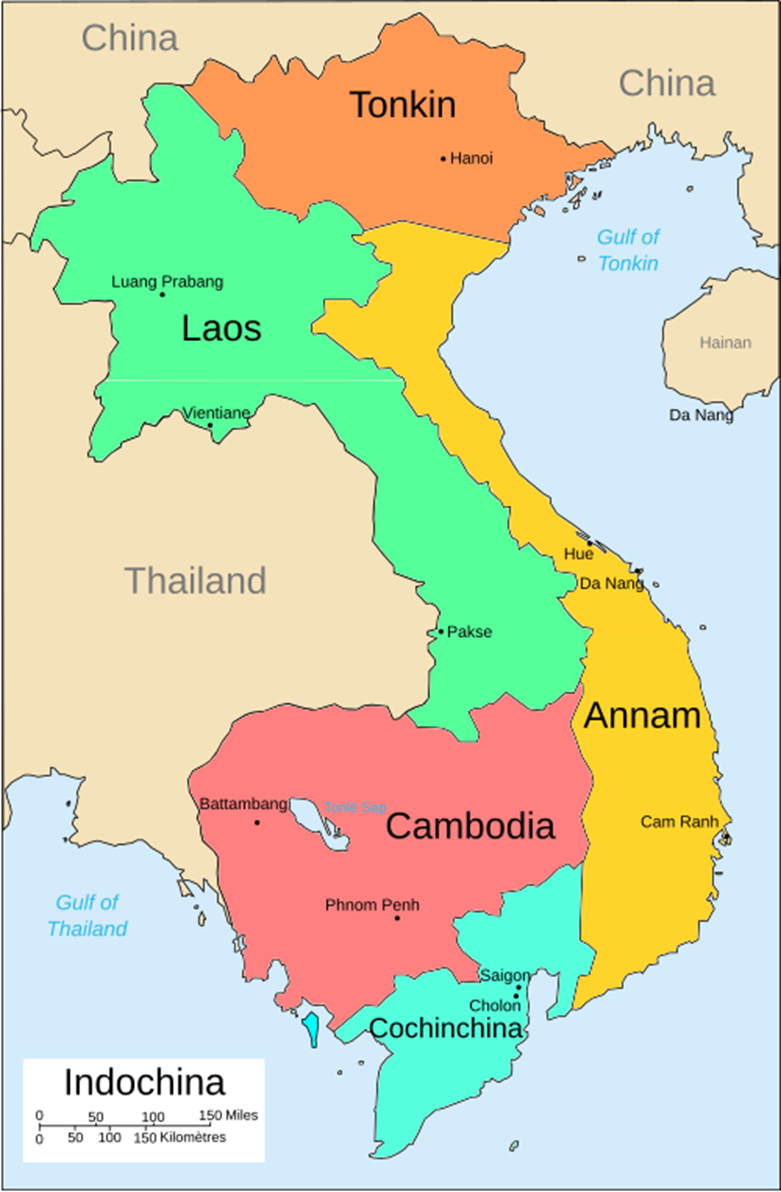
Later, external forces reshaped the territory, setting the boundaries that still exist. During the French Protectorate, Stung Treng was incorporated into Cambodia’s borders, which helped define its modern cultural and administrative landscape. In the years leading to independence and afterward, the province faced challenges, including war and regime changes, which left their mark on local communities.
People and Culture
Stung Treng’s cultural life is a mosaic of ethnicities and traditions. Alongside Khmer and Lao populations, several indigenous groups make their home in the province, each with its own languages, ceremonies, and artistic crafts. Traditional practices remain strong — evident in regional festivals, local religious life, and handicrafts like handwoven textiles and basketry.
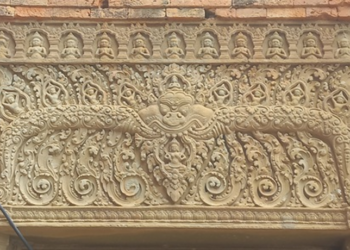
The province is also known for its spiritual heritage, visible in its ancient temples and riverbank pagodas. Religious life is intertwined with the rhythms of the river and land, connecting past and present through shared rituals and beliefs. Stung Treng has also contributed notable figures to Cambodia’s cultural scene, adding to its reputation as a place of heritage and creativity.
Economy and Livelihoods
Life in Stung Treng is closely linked to its forests and rivers. The majority of people here still depend on agriculture, cultivating rice, rubber, and other crops on the fertile riverbanks. Fishing is vital to many families, with the region’s waterways providing abundant protein and sustaining time-honored fishing traditions. Gathered forest products, animal husbandry, and traditional weaving add to household incomes, reflecting an economy balanced between land and water.
The province is also starting to diversify. Recent years have seen increased interest in eco-tourism, cross-border trade with Laos, and small-scale mining. Still, the sustainable use of forest and river resources remains at the heart of local life, presenting both opportunities and challenges for maintaining the region’s unique environment.
Sights and Tourism
Stung Treng captivates those who venture to its far reaches. Its rivers are ideal for exploration, offering kayakers, trekkers, and adventurers quiet escapes amid wild beauty. One of the province’s highlights is the chance to encounter rare river dolphins in deep pools along the Mekong. Waterfalls, such as those found in its northern reaches, offer stunning natural retreats that are as peaceful as they are picturesque.
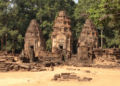
Temples and old sites, including remnants from historic periods, give insight into the area’s past, while the riverfront market in the provincial capital bustles with daily life, drawing people and goods from neighboring countries. Tourism here remains small-scale and authentic, centered on responsible travel and real connections with local communities.
Administration and Governance
Stung Treng is organized into several districts, each overseeing a number of smaller communes and villages. The provincial capital, also named Stung Treng, serves as a hub for regional transport and administration, as well as a lively market center.
Environment and Conservation
The natural riches of Stung Treng face ongoing challenges. Deforestation, unregulated resource use, and upstream hydropower projects all put strain on its delicate ecosystems. Local authorities and community groups are increasingly involved in efforts to protect forests and wetlands in hopes of balancing economic needs with environmental health.
Everyday Life
Daily rhythms in Stung Treng are shaped by the land and season. Markets bustle in the early morning as boats arrive on the river, while fields and fishing nets are tended in sync with rain and dry spells. Life is slower than in Cambodia’s cities, marked by deep connections to nature and tradition. While infrastructure and services have improved in recent years, many areas still face hardships, especially in the most remote districts.
Conclusion
Stung Treng Province has a quiet allure rooted in its wilderness, multicultural communities, and long, complex history. It remains a gateway to Cambodia’s past and to the living traditions that make the country unique. For visitors seeking untamed scenery and cultural authenticity, or for those interested in how people adapt and thrive at the edges of the map, Stung Treng offers a compelling story and an open invitation.
Those with a love for rivers, forests, and discovering cultures shaped by geography and history will find this province a rewarding place — where the pace is gentle, the people resilient, and the natural world abundantly alive.











Comments 2