This week’s Pictures of the Week wander between temple stones and dinner tables, from quiet libraries to blooming branches. Together, they trace how faith, memory, and taste weave through daily life in Cambodia, from Angkor’s reservoirs to Phnom Penh’s plates and neighborhood trees. It is a week where sacred waters, old carvings, and modern comfort food all share the same gentle light.
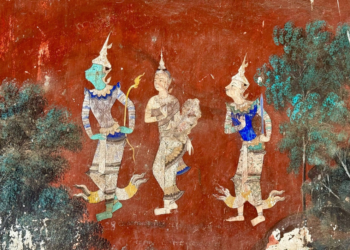
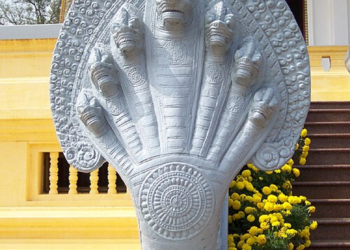
“Dancing Apsaras in Stone at Bayon Temple” draws us first into the heart of Angkor, where celestial dancers are forever frozen mid‑step in sandstone. Their flowing skirts, jewelry, and poised hands remind us how deeply performance, devotion, and royal ceremony were carved – quite literally – into Khmer architecture. Looking at their calm faces, it feels as if the music has stopped but the echo of the dance still lingers in the corridors of Bayon.
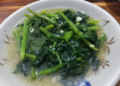
From ancient stone we move to a fresh Phnom Penh table with “Fresh Cambodian Kuong, Light Spring Rolls from Phnom Penh”. The rice paper parcels, packed with crisp greens and herbs, show the city’s love for food that is both simple and vibrant. These light rolls are the kind of dish you might share on a shaded sidewalk or at a small family restaurant, where conversation and dipping sauce flow at the same easy pace.
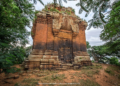
Books and palm leaves replace chopsticks in “CKS Library Entrance at Wat Bo, Siem Reap”. The image of the library nestled within the temple grounds evokes a quiet refuge where Buddhist learning, historical research, and community meet. It is a reminder that pagodas are not only places of merit‑making and ritual, but also guardians of memory where new generations come to read, study, and interpret Cambodia’s past.
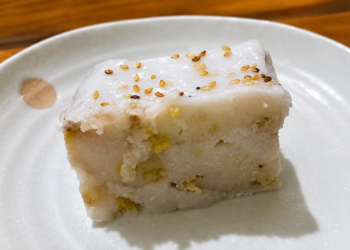
Sweetness takes center stage in “Golden Mango Sticky Rice Dessert in Cambodia”. The warm yellow slices of ripe mango laid beside glossy coconut‑soaked rice capture the indulgent, nurturing side of Cambodian desserts. It is the kind of plate that often appears at family gatherings and special meals, where ripe fruit and sticky rice mark the turning of seasons and the comfort of shared traditions.
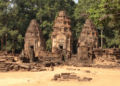
Water, sky, and stone come together in “Silent Waters of Baray Neak Poan”. The still reservoir, dotted with lotus and ringed by ancient embankments, recalls a time when water management, ritual healing, and royal power were closely linked. Standing at the edge of the baray, it is easy to feel the weight of centuries in the reflections of clouds and shrines on the surface of the water.
Comfort food takes an unexpected Franco‑Khmer turn in “Blood Sausage & Mash at La Ferme de Bassac Siem Reap”. The hearty plate of rich sausage and silky mashed potatoes speaks to Cambodia’s openness to culinary influences while still feeling grounded in local hospitality. It is the kind of meal that suits a cool evening after temple exploring, when travelers and locals alike gather in Siem Reap’s small restaurants to rest and refuel.
Finally, we look up into the branches with “Manila Tamarind Blossom in Cambodia”. The delicate blossoms, tucked among twisting pods and greenery, highlight the quiet beauty of everyday trees that line Cambodian streets and village paths. These small flowers hint at the tastes to come – tart, playful, sometimes used in local dishes – while also reminding us that much of Cambodia’s charm is found at eye level in the neighborhood, not only in its famous monuments.
Taken together, this week’s images trace a gentle path between devotion and appetite, scholarship and everyday beauty. Stone apsaras, temple libraries, and silent barays speak of spiritual depth and long memory, while fresh spring rolls, golden mango sticky rice, and hearty bistro plates celebrate a living, evolving food culture. Even a single blooming branch shows how nature quietly frames it all, making Cambodia a place where flavor and faith meet at every crossroads of daily life.