(Estimated reading time: 7 minutes. Enough time to rethink what a bean can do.)
In Cambodia, the winged bean or ពពាយ is more than a curious vegetable with frilled edges. It is a highly nutritious, versatile plant rooted in local food traditions yet still underused. From market stalls to home gardens, this article explores its culinary uses, cultural context, and why it deserves a comeback.
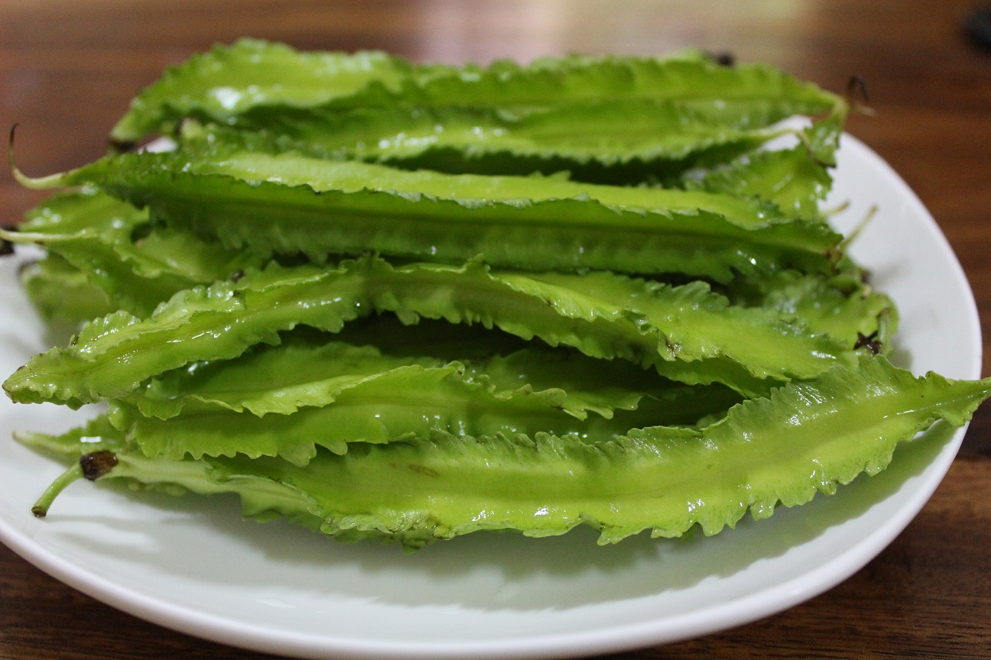
In Cambodian markets, among the familiar greens and herbs, you may occasionally spot a striking vegetable with four frilled edges running along its length. This is the winged bean, known locally as ពពាយ (po peay), and scientifically as Psophocarpus tetragonolobus. Its appearance alone is enough to intrigue, but its real interest lies in its versatility and nutritional value.
This article is for readers curious about Cambodian food culture, gardeners looking for resilient crops, and anyone interested in traditional vegetables with modern relevance. By the end, you will understand how winged bean fits into Cambodian cuisine, how it is grown, and why it deserves more attention both locally and globally.
The winged bean is a tropical vegetable believed to have originated in Southeast Asia, though its precise origins remain debated. It thrives in humid climates, making Cambodia an ideal environment.
A Plant Where Everything Is Edible
Few plants rival the winged bean in usefulness. Almost every part can be consumed:
- Pods are eaten young and crisp, often sliced into salads or stir-fried
- Leaves can be cooked like spinach
- Flowers are edible and sometimes used decoratively
- Tubers can be prepared like potatoes
- Seeds, when mature, resemble soybeans in protein content
This makes the winged bean one of the most efficient food plants in traditional agriculture. However, in Cambodia, people most often eat the pods.
The name comes from the four longitudinal ridges or “wings” that run along the pod. When sliced crosswise, the pod forms a delicate star shape, a detail that Cambodian cooks appreciate for both texture and presentation.
Winged Bean in Cambodian Cuisine
In Cambodia, ពពាយ is not as widely consumed as morning glory or eggplant, but it still holds a place in rural and traditional cooking.
Young winged bean pods are often served raw, thinly sliced, and paired with:
- Fermented fish paste (prahok) dips
- Chili-lime sauces
- Fresh herbs like mint and basil
The texture is crisp, slightly nutty, and refreshing, making it ideal for balancing stronger flavors.
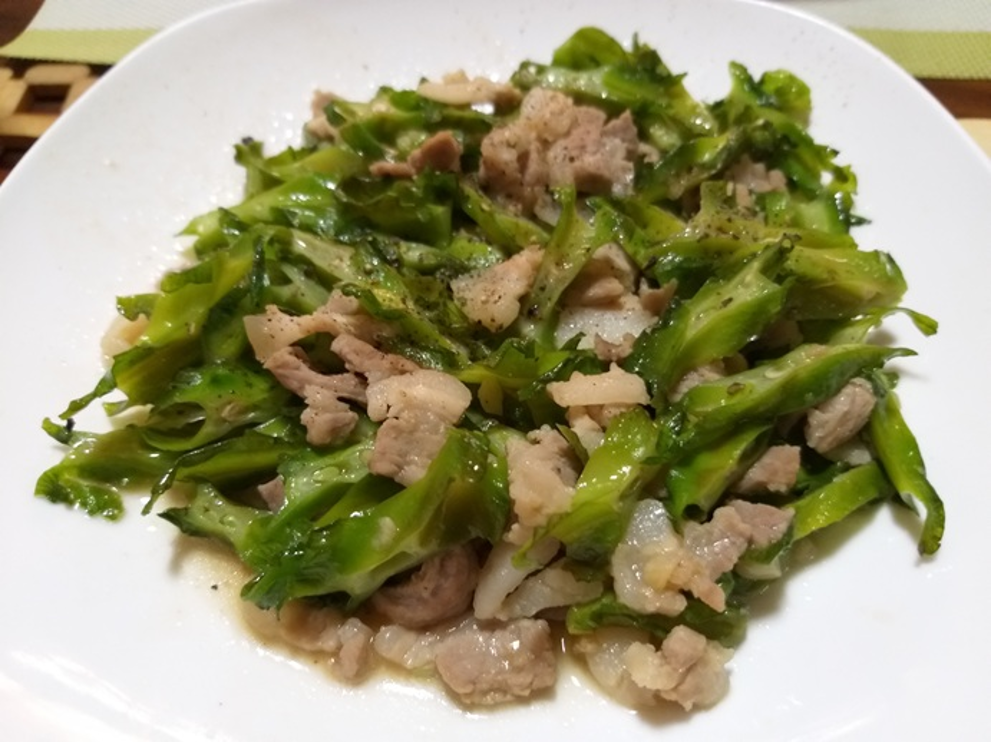
Winged beans can also be stir-fried with garlic, pork, or shrimp. Cooking softens the ridges slightly while preserving a pleasant crunch.
A simple Cambodian preparation involves:
- Slicing the pods diagonally
- Stir-frying with garlic and fish sauce
- Adding minced pork or dried shrimp
The result is a dish that is both rustic and satisfying.
Less commonly, winged beans appear in soups or mixed vegetable dishes. Their structure allows them to hold up well without becoming mushy.
Nutritional Value: A True “Super Vegetable”
Long before the term “superfood” became fashionable, the winged bean was quietly meeting the criteria.
The seeds of Psophocarpus tetragonolobus can contain up to 30 percent protein, comparable to soybeans. This makes it particularly valuable in regions where animal protein is less accessible.
Winged beans provide:
- Vitamin A and C
- Calcium and iron
- Dietary fiber
The leaves also contribute significant nutrients, making the entire plant a valuable dietary resource. Consult the USDA FoodData Central database for the detailed nutrient composition of winged beans.
Because multiple parts are edible and it grows well in tropical climates, the winged bean has often been promoted as a crop for food security. In Cambodia, where small-scale agriculture remains widespread, it has clear potential.
Growing Winged Bean in Cambodia
For gardeners in Cambodia, winged bean is both practical and rewarding.
Winged bean thrives in:
- Warm temperatures
- High humidity
- Well-drained soil
- Full sun exposure
It is a climbing plant, so it requires support such as trellises or poles.
The plant grows rapidly once established. Pods can be harvested within a few months, while tubers and seeds take longer.
Farmers often appreciate its nitrogen-fixing ability, which helps improve soil fertility.
- Plant at the beginning of the rainy season for best results
- Provide sturdy vertical support early
- Harvest pods while young for optimal texture
- Regular picking encourages continued production
For small gardens, it offers high yield in a limited space.
Cultural and Agricultural Context
Despite its many advantages, the winged bean remains underutilized in Cambodia today.
Older generations are more familiar with ពពាយ, while younger urban consumers often overlook it in favor of more common vegetables. This reflects broader changes in diet and market demand.
With growing interest in local, sustainable, and nutrient-rich foods, the winged bean has strong potential for revival.
For content creators and food writers in Cambodia, it offers an opportunity to reconnect audiences with traditional ingredients that are both practical and distinctive.
From a botanical standpoint, Psophocarpus tetragonolobus belongs to the legume family, Fabaceae. It shares characteristics with beans and peas but stands out for its multi-use structure.
Its nitrogen-fixing roots contribute to sustainable agriculture, reducing the need for chemical fertilizers. This makes it particularly relevant in discussions about eco-friendly farming in Southeast Asia.
Practical Uses Beyond the Kitchen
The winged bean is not limited to culinary use.
- It can be used as a cover crop to improve soil
- Its vines provide natural shade in gardens
- The flowers add visual interest, pale blue to purple in color
- It can also be used as fodder for pigs.
In smallholder farming systems, such versatility is a major advantage.
The winged bean, or ពពាយ, is a remarkable plant that bridges tradition and modern needs. Nutritious, versatile, and well-suited to Cambodia’s climate, it deserves renewed attention both in kitchens and gardens.
Pascal Médeville is a writer and digital publisher based in Cambodia, where he runs Wonders of Cambodia. He focuses on Cambodian culture, food traditions, and historical narratives, often highlighting overlooked ingredients like the winged bean.