Wonders of Cambodia
  • Home
  • Culture
  • Cuisine
  • Tourism
  • Business
  • Life in Cambodia
  • 中文
  • ខ្មែរ
  • Français
  • Tiếng Việt
  • e-Books
No Result
View All Result
  • Home
  • Culture
  • Cuisine
  • Tourism
  • Business
  • Life in Cambodia
  • 中文
  • ខ្មែរ
  • Français
  • Tiếng Việt
  • e-Books
No Result
View All Result
Wonders of Cambodia
No Result
View All Result
Home Cuisine

Winged Bean in Cambodia: Discovering ពពាយ (Psophocarpus tetragonolobus), the Forgotten Super Vegetable

Pascal Medeville by Pascal Medeville
July 12, 2026
in Cuisine
Reading Time: 8 mins read
0

(Estimated reading time: 7 minutes. Enough time to rethink what a bean can do.)

In Cambodia, the winged bean or ពពាយ is more than a curious vegetable with frilled edges. It is a highly nutritious, versatile plant rooted in local food traditions yet still underused. From market stalls to home gardens, this article explores its culinary uses, cultural context, and why it deserves a comeback.
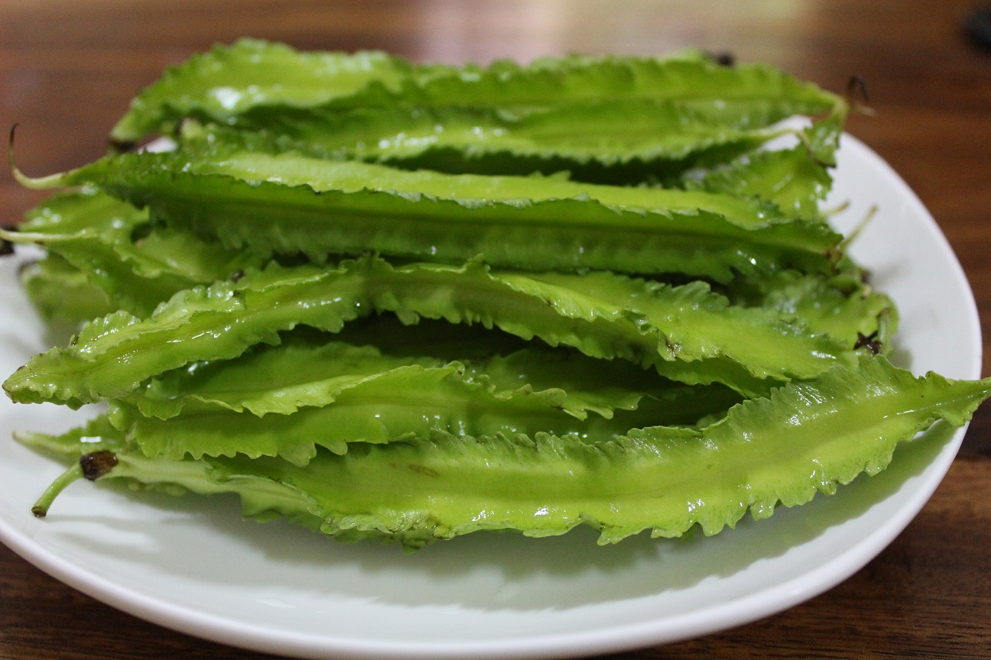
Fresh winged beans (ពពាយ) ready for a Cambodian meal (©Pascal Médeville, July 2020, Phnom Penh)

Introduction

In Cambodian markets, among the familiar greens and herbs, you may occasionally spot a striking vegetable with four frilled edges running along its length. This is the winged bean, known locally as ពពាយ (po peay), and scientifically as Psophocarpus tetragonolobus. Its appearance alone is enough to intrigue, but its real interest lies in its versatility and nutritional value.

This article is for readers curious about Cambodian food culture, gardeners looking for resilient crops, and anyone interested in traditional vegetables with modern relevance. By the end, you will understand how winged bean fits into Cambodian cuisine, how it is grown, and why it deserves more attention both locally and globally.

What Is Winged Bean?

The winged bean is a tropical vegetable believed to have originated in Southeast Asia, though its precise origins remain debated. It thrives in humid climates, making Cambodia an ideal environment.

A Plant Where Everything Is Edible

Few plants rival the winged bean in usefulness. Almost every part can be consumed:

  • Pods are eaten young and crisp, often sliced into salads or stir-fried
  • Leaves can be cooked like spinach
  • Flowers are edible and sometimes used decoratively
  • Tubers can be prepared like potatoes
  • Seeds, when mature, resemble soybeans in protein content

This makes the winged bean one of the most efficient food plants in traditional agriculture. However, in Cambodia, people most often eat the pods.

Why the Name “Winged”?

The name comes from the four longitudinal ridges or “wings” that run along the pod. When sliced crosswise, the pod forms a delicate star shape, a detail that Cambodian cooks appreciate for both texture and presentation.

Winged Bean in Cambodian Cuisine

In Cambodia, ពពាយ is not as widely consumed as morning glory or eggplant, but it still holds a place in rural and traditional cooking.

Fresh and Raw Preparations

Young winged bean pods are often served raw, thinly sliced, and paired with:

  • Fermented fish paste (prahok) dips
  • Chili-lime sauces
  • Fresh herbs like mint and basil

The texture is crisp, slightly nutty, and refreshing, making it ideal for balancing stronger flavors.

Stir-Fried and Cooked Dishes

Winged beans can also be stir-fried with garlic, pork, or shrimp. Cooking softens the ridges slightly while preserving a pleasant crunch.

A simple Cambodian preparation involves:

  • Slicing the pods diagonally
  • Stir-frying with garlic and fish sauce
  • Adding minced pork or dried shrimp

The result is a dish that is both rustic and satisfying.
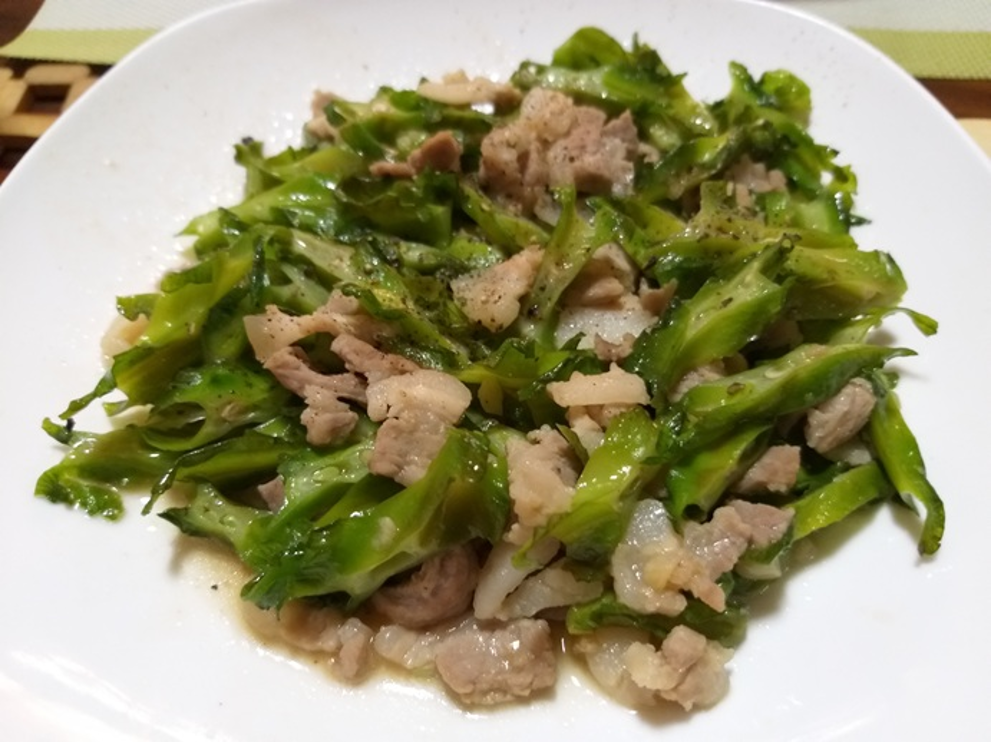
Close-up of Cambodian stir-fried winged beans with sliced pork on a white plate, glistening with light sauce and showing crisp green texture and home-style presentation.
Winged bean sautéed with pork (©Pascal Médeville, January 2019, Phnom Penh)

In Soups and Mixed Dishes

Less commonly, winged beans appear in soups or mixed vegetable dishes. Their structure allows them to hold up well without becoming mushy.

Nutritional Value: A True “Super Vegetable”

Long before the term “superfood” became fashionable, the winged bean was quietly meeting the criteria.

High Protein Content

The seeds of Psophocarpus tetragonolobus can contain up to 30 percent protein, comparable to soybeans. This makes it particularly valuable in regions where animal protein is less accessible.

Rich in Vitamins and Minerals

Winged beans provide:

  • Vitamin A and C
  • Calcium and iron
  • Dietary fiber

The leaves also contribute significant nutrients, making the entire plant a valuable dietary resource. Consult the USDA FoodData Central database for the detailed nutrient composition of winged beans.

A Plant for Food Security

Because multiple parts are edible and it grows well in tropical climates, the winged bean has often been promoted as a crop for food security. In Cambodia, where small-scale agriculture remains widespread, it has clear potential.

Growing Winged Bean in Cambodia

For gardeners in Cambodia, winged bean is both practical and rewarding.

Climate and Conditions

Winged bean thrives in:

  • Warm temperatures
  • High humidity
  • Well-drained soil
  • Full sun exposure

It is a climbing plant, so it requires support such as trellises or poles.

Growth Cycle

The plant grows rapidly once established. Pods can be harvested within a few months, while tubers and seeds take longer.

Farmers often appreciate its nitrogen-fixing ability, which helps improve soil fertility.

Tips for Home Gardeners

  • Plant at the beginning of the rainy season for best results
  • Provide sturdy vertical support early
  • Harvest pods while young for optimal texture
  • Regular picking encourages continued production

For small gardens, it offers high yield in a limited space.

Cultural and Agricultural Context

Despite its many advantages, the winged bean remains underutilized in Cambodia today.

A Vegetable of the Past?

Older generations are more familiar with ពពាយ, while younger urban consumers often overlook it in favor of more common vegetables. This reflects broader changes in diet and market demand.

Potential for Revival

With growing interest in local, sustainable, and nutrient-rich foods, the winged bean has strong potential for revival.

For content creators and food writers in Cambodia, it offers an opportunity to reconnect audiences with traditional ingredients that are both practical and distinctive.

A Botanical Perspective

From a botanical standpoint, Psophocarpus tetragonolobus belongs to the legume family, Fabaceae. It shares characteristics with beans and peas but stands out for its multi-use structure.

Its nitrogen-fixing roots contribute to sustainable agriculture, reducing the need for chemical fertilizers. This makes it particularly relevant in discussions about eco-friendly farming in Southeast Asia.

Practical Uses Beyond the Kitchen

The winged bean is not limited to culinary use.

  • It can be used as a cover crop to improve soil
  • Its vines provide natural shade in gardens
  • The flowers add visual interest, pale blue to purple in color
  • It can also be used as fodder for pigs.

In smallholder farming systems, such versatility is a major advantage.

Conclusion

The winged bean, or ពពាយ, is a remarkable plant that bridges tradition and modern needs. Nutritious, versatile, and well-suited to Cambodia’s climate, it deserves renewed attention both in kitchens and gardens.

About the author

Pascal Médeville is a writer and digital publisher based in Cambodia, where he runs Wonders of Cambodia. He focuses on Cambodian culture, food traditions, and historical narratives, often highlighting overlooked ingredients like the winged bean.

Don’t miss our upcoming articles!

We don’t spam!

Check your INBOX or SPAM folder to confirm your subscription.

Tags: Cambodian cuisineCambodian vegetablesfood plants CambodiaPsophocarpus tetragonolobustraditional foods Cambodiatropical vegetableswinged beanពពាយ
ShareTweet
Previous Post

សារមន្ទីរ ស.ស.រ និងគ្រឹះស្ថានបោះពុម្ពផ្សាយស៊ីប៉ា រួមគ្នាបោះពុម្ពផ្សាយសៀវភៅប្រវត្តិសាស្ត្រថ្មី ដើម្បីទទួលស្វាគមន៍ទេសចរគ្រប់វ័យ

Next Post

Picture of the day: Coconut Juice, Cambodia Healthy Drink for 1 USD

Pascal Medeville

Pascal Medeville

Author of the blog Wonders of Cambodia, I share my passion for Cambodia through stories, cultural insights, and personal reflections on the country. I'm also the founder of Simili Consulting, where we provide high-quality, professional translation services to international clients.

Related Posts

Plate of Cambodian sea snails stir-fried with herbs, spices, and seasoning.
Cuisine

Picture of the day: Herb and Spice Stir-Fried Sea Snails

August 27, 2026
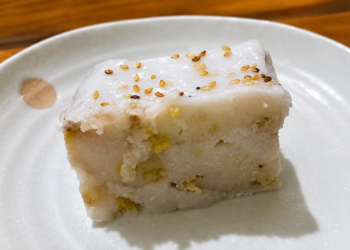
Slice of នំចេកខ្ទិះដូង, Cambodian banana cake with coconut cream and sesame seeds on a white plate.
Cuisine

Picture of the day: Cambodian Banana Cake with Coconut Cream

August 25, 2026
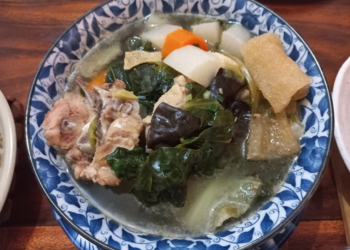
A bowl of Cambodian chap chay with vegetables, pork, tofu skin, and wood ear mushrooms.
Cuisine

Picture of the day: Chap Chay, A Cambodian New Year Dish

August 23, 2026
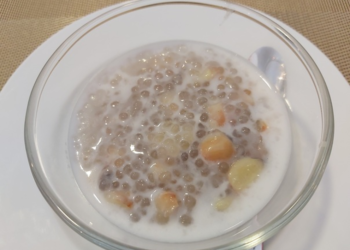
Tapioca lotus seed dessert with coconut cream served at Banteay Srey restaurant in Phnom Penh, Cambodia.
Cuisine

Picture of the day: Tapioca Lotus Seed Dessert in Phnom Penh

August 21, 2026
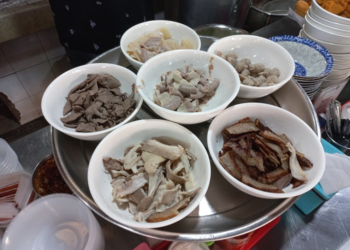
Bowls of meat, pork offal, meatballs, and other ingredients for បបរសាមចូក at Central Market in Phnom Penh, Cambodia
Cuisine

Picture of the day: Ingredients for Babar Sam Chok at Phnom Penh Central Market

August 19, 2026
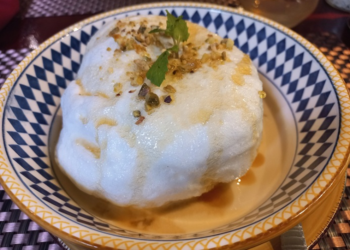
Floating island dessert with meringue, nuts, mint, and crème anglaise at La Ferme de Bassac Restaurant in Siem Reap, Cambodia.
Cuisine

Picture of the day: Floating Island Dessert in Siem Reap

August 17, 2026
Next Post
Fresh young green coconut with straw on patterned Khmer table on Phnom Chisor, Cambodia, highlighting affordable one dollar healthy coconut juice street drink.

Picture of the day: Coconut Juice, Cambodia Healthy Drink for 1 USD

  • Trending
  • Comments
  • Latest
The French Protectorate of Cambodia (1863–1953): An Overview

The French Protectorate of Cambodia (1863–1953): An Overview

July 13, 2025
The Franco-Siamese Treaty of 23 March 1907: Borders, Politics, and the Return of Angkor

The Franco-Siamese Treaty of 23 March 1907: Borders, Politics, and the Return of Angkor

February 11, 2026
Cambodian-Vietnamese War (1978-1989)

Cambodian-Vietnamese War (1978-1989)

July 13, 2025
The Legend of Preah Ko Preah Keo: Guardians of Cambodia’s Lost Treasures

The Legend of Preah Ko Preah Keo: Guardians of Cambodia’s Lost Treasures

February 23, 2026
Kampot Province

Takeo Province: A Cradle of Cambodian History and Culture

3
Kratié Town on the Mekong: Colonial Echoes, River Life, and Irrawaddy Dolphins

Kratié Town on the Mekong: Colonial Echoes, River Life, and Irrawaddy Dolphins

3
Banteay Meanchey Province: A Gateway to Cambodia’s Rich Heritage

Banteay Meanchey Province: A Gateway to Cambodia’s Rich Heritage

2
Stung Treng Province: The Gateway to Cambodia’s Northern Wilderness

Stung Treng Province: The Gateway to Cambodia’s Northern Wilderness

2
Video: Cambodia Welcomes the Francophonie in 2026

Vidéo : Le Cambodge accueille la Francophonie en 2026

August 27, 2026
Plate of Cambodian sea snails stir-fried with herbs, spices, and seasoning.

Picture of the day: Herb and Spice Stir-Fried Sea Snails

August 27, 2026
AI-generated illustration of three sisters transforming into reddish-brown birds beside a forest pond in a Khmer folktale.

The Khmer Legend of the Kon Lok Bird

August 26, 2026
Khmer mural at the Silver Pagoda in Phnom Penh depicting Preah Ream, Neang Seda, and Preah Leak from the Reamker.

Picture of the day: Khmer Mural at Phnom Penh’s Silver Pagoda

August 26, 2026

Recent News

Video: Cambodia Welcomes the Francophonie in 2026

Vidéo : Le Cambodge accueille la Francophonie en 2026

August 27, 2026
Plate of Cambodian sea snails stir-fried with herbs, spices, and seasoning.

Picture of the day: Herb and Spice Stir-Fried Sea Snails

August 27, 2026
AI-generated illustration of three sisters transforming into reddish-brown birds beside a forest pond in a Khmer folktale.

The Khmer Legend of the Kon Lok Bird

August 26, 2026
Khmer mural at the Silver Pagoda in Phnom Penh depicting Preah Ream, Neang Seda, and Preah Leak from the Reamker.

Picture of the day: Khmer Mural at Phnom Penh’s Silver Pagoda

August 26, 2026
Wonders of Cambodia

Exploring Culture, Nature, and Spirit in the Land of Wonder.

Follow Us

Browse by Category

  • Architecture
  • Architecture
  • Art
  • Books
  • Business
  • Business
  • Cinema
  • Costume
  • Costume
  • Cuisine
  • Culture
  • Defense
  • Du lịch
  • e-Books
  • Education
  • Expat life
  • Fauna
  • Festival
  • Flora
  • Food providers
  • Français
  • Geography
  • Handicraft
  • Health
  • Histoire
  • History
  • Hotels
  • Khmer stories
  • Khmer Stories
  • Knowledge
  • Language
  • Last posts
  • Latest posts
  • Lịch sử
  • Life in Cambodia
  • Literature
  • Meet the neigbhors
  • Music
  • Personnalités
  • Pictures
  • Politics
  • Population
  • Press review
  • Professional services
  • Proverbs
  • Reference
  • Reference
  • Religion
  • Restaurants
  • Temples
  • Textile
  • Tiếng Việt
  • Tourism
  • Tourisme
  • Transport
  • Transport
  • Uncategorized
  • Video
  • Vidéo
  • Vie quotidienne
  • Who's who
  • ខ្មែរ
  • ទេសចរណ៍៖
  • បគ្គលល្បី
  • ប្រវត្តិសាស្ត្រោ
  • សៀវភៅ
  • 中文
  • 书籍
  • 交通
  • 历史
  • 商业
  • 旅游
  • 生活

Recent News

Video: Cambodia Welcomes the Francophonie in 2026

Vidéo : Le Cambodge accueille la Francophonie en 2026

August 27, 2026
Plate of Cambodian sea snails stir-fried with herbs, spices, and seasoning.

Picture of the day: Herb and Spice Stir-Fried Sea Snails

August 27, 2026
  • About Us
  • Advertise
  • Privacy & Policy
  • Contact Us

© 2025 - Made with 💫 by TechFlow.

No Result
View All Result
  • Home
  • Culture
  • Cuisine
  • Tourism
  • Business
  • Life in Cambodia
  • 中文
  • ខ្មែរ
  • Français
  • Tiếng Việt
  • e-Books

© 2025 - Made with 💫 by TechFlow.