Wonders of Cambodia
  • Home
  • Culture
  • Cuisine
  • Tourism
  • Business
  • Life in Cambodia
  • 中文
  • ខ្មែរ
  • Français
  • Tiếng Việt
  • e-Books
No Result
View All Result
  • Home
  • Culture
  • Cuisine
  • Tourism
  • Business
  • Life in Cambodia
  • 中文
  • ខ្មែរ
  • Français
  • Tiếng Việt
  • e-Books
No Result
View All Result
Wonders of Cambodia
No Result
View All Result
Home Culture Geography

Mondulkiri Province: Cambodia’s Untamed Frontier

Pascal Medeville by Pascal Medeville
March 17, 2026
in Geography, Knowledge
Reading Time: 5 mins read
1

Nestled in Cambodia’s remote eastern corridor, Mondulkiri Province (ខេត្ត​មណ្ឌល​គីរី) stands as one of Southeast Asia’s last great wilderness frontiers. Famed for its rolling emerald hills, dense forests, thundering waterfalls, and vibrant indigenous communities, Mondulkiri offers an experience that is strikingly different from the country’s more famed lowlands and the iconic ruins of Angkor. This province, whose name translates as “Meeting of the Hills,” is not only Cambodia’s largest by area but also one of its least densely populated, preserving an atmosphere of tranquility, authenticity, and natural wonder that lingers long after the journey ends.

Geography and Landscape

Mondulkiri lies on the eastern edge of Cambodia, bordering Vietnam. Its landscapes are dramatically distinct from the nation’s largely flat and flood-prone heartlands. Here, undulating hills blanket the horizon, covered in vast stretches of pine forests, deciduous woodlands, and rich, red earth. The province is home to some of Cambodia’s highest elevations, with its centerpiece, the rolling Mondulkiri Highlands, rising toward altitudes that allow for a much cooler climate than elsewhere in the country.

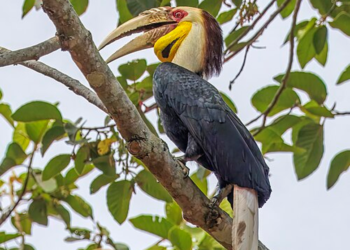
Prominent landmarks punctuate the landscape, from the celebrated Bou Sra Waterfall — arguably Cambodia’s most spectacular — to the dense jungles and grasslands of the Phnom Prich Wildlife Sanctuary and the Srepok Wildlife Sanctuary. These protected areas, covering a significant percentage of the province, provide refuge to a dazzling array of wildlife, including rare Asian elephants, gibbons, giant hornbills, and leopards.

Indigenous Peoples and Cultural Heritage

While sparsely populated, Mondulkiri’s human landscape is as fascinating as its geography. The Bunong people (also spelled Pnong), the indigenous group that make up a large portion of the province’s population, have inhabited the Mondulkiri Highlands for centuries. Their villages are scattered near rivers and forest edges, each characterized by thatched communal houses, distinctive animist totem poles, and a lifestyle intricately woven into the rhythm of the land and forest.

The Bunong hold deep spiritual beliefs connected to nature. They practice unique traditions of elephant domestication and forest stewardship. Elephant ownership is a longstanding symbol of prestige and practicality among the Bunong, and many families have stories that intertwine with these gentle giants, who serve as loyal companions in both daily life and ritual.

Despite modern influences, Bunong culture remains vibrant. Visitors to Mondulkiri are welcomed into village homestays where they learn about hunting and gathering traditions, herbal medicines, and animist ceremonies honoring forest and ancestral spirits. These immersive experiences foster a profound sense of respect and mutual understanding between outsiders and the indigenous custodians of the land.

Wildlife and Conservation

Mondulkiri’s forests are among Cambodia’s most important remaining biodiversity refuges. Until recent decades, its remoteness provided a natural buffer against widespread deforestation. The province’s national parks and wildlife sanctuaries are home to endangered species like the yellow-cheeked gibbon, wild Asian elephants, banteng (a rare species of wild cattle), and the elusive sun bear.

The Elephant Valley Project, an internationally recognized conservation organization, has become a symbol of ethical ecotourism in the region. Rather than offering elephant rides or close-contact experiences, this sanctuary grants rescued and retired elephants the opportunity to roam free in their natural habitat while visitors observe from respectful distances. The project also provides education and support to local mahout families, ensuring a model of conservation that is both sustainable and community-centered.

Yet, Mondulkiri faces mounting threats from illegal logging, land concessions for agro-industrial plantations (notably rubber and cashew), and poaching. Conservationists, local communities, and responsible travel operators work together to preserve the province’s wilderness. They promote forest-friendly livelihoods and stricter enforcement of environmental protections, hopeful that Mondulkiri’s unique heritage can be safeguarded for future generations.

Sen Monorom: The Provincial Capital

Sen Monorom, perched amid green hills, serves as Mondulkiri’s sleepy yet vibrant capital and the main springboard for exploration. With little of the urban sprawl and chaos seen elsewhere in Southeast Asia, Sen Monorom features a few dusty streets lined with stilted wooden houses, local markets, cafes, and modest guesthouses. There is a pervasive sense of quiet as mist lifts off the hills each morning, giving way to sunlight and the distant chorus of songbirds.

The town is notable for its inclusivity, with both Khmer migrants and indigenous Bunong people contributing to its growth. Local markets are a riot of color, offering seasonal produce, wild honey, forest herbs, and even the famed Mondulkiri coffee, whose rich flavors have won accolades throughout the region’s burgeoning specialty coffee scene.

Adventure and Ecotourism

For travelers seeking adventure, Mondulkiri is a paradise of opportunity. Trekking trails wind through forests, valleys, and waterfalls, sometimes crossing into the wildlife sanctuaries where elephants roam free and primates swing overhead. Guided tours, many run in conjunction with indigenous communities, provide rare glimpses into wildlife monitoring and traditional forest foraging.

Other highlights include traditional elephant experiences, waterfall picnics, and ziplining expeditions. Increasing numbers of ecotourism initiatives allow travelers to partake in tree planting projects, birdwatching tours, or Bunong-led agroforestry walks. Unlike the more commercialized attractions found elsewhere, these activities prioritize ethical practices and cultural sensitivity, ensuring rugged but responsible adventure.

Modern Changes and Challenges

Mondulkiri’s beauty and uniqueness have not gone unnoticed. In the past decade, rising domestic and international tourism has brought new opportunities and challenges. Roads, though often dusty or muddy, have improved greatly, bringing greater access but also increased deforestation risk. New hotels and development projects must now negotiate the fine line between economic benefit and conservation.

Additionally, the indigenous Bunong face complicated issues around land rights and cultural preservation in the face of economic modernization. Their continued stewardship over their ancestral forests requires legal recognition, support, and respect from both national authorities and the wider Cambodian society.

A Lasting Impression

Journeying to Mondulkiri Province offers more than just a retreat into scenic wilderness. It is an invitation to experience a side of Cambodia where nature’s grandeur and human resilience coexist. The province’s misty hills, thundering waterfalls, and the gentle footprints of elephants are matched only by the quiet endurance of the Bunong and other local communities who call this land home.

Mondulkiri stands as both a reminder and a promise — of what Cambodia was, and of what it can still be. For those who make the journey, the rewards are measured not just in vistas and photographs, but in the profound connections made with the land and the people who protect it.

Don’t miss our upcoming articles!

We don’t spam!

Check your INBOX or SPAM folder to confirm your subscription.

Tags: Ecotourism in CambodiaEnvironment in CambodiaIndigenous Culture in CambodiaMondulkiri provinceNature in Cambodiaprovinces of CambodiaSoutheast AsiaTravel in Cambodia
ShareTweet
Previous Post

Électricité du Cambodge announces power cuts from August 7th to 10th, 2025

Next Post

Zhou Daguan: Chronicler of Angkor’s Golden Era

Pascal Medeville

Pascal Medeville

Author of the blog Wonders of Cambodia, I share my passion for Cambodia through stories, cultural insights, and personal reflections on the country. I'm also the founder of Simili Consulting, where we provide high-quality, professional translation services to international clients.

Related Posts

Two halves of a ripe red-fleshed dragon fruit on a white plate, showing vibrant magenta flesh dotted with tiny black seeds, with whole dragon fruits in the background.
Cuisine

Dragon Fruit in Cambodia: A Complete Guide to the Kingdom’s Vibrant Superfruit

July 19, 2026
Close-up of white tuberose (Polianthes tuberosa, ចន្ធូ) buds on green stems in Cambodia against a dark background, highlighting their smooth texture and emerging blossoms.
Flora

Picture of the day: Tuberose Blossoms in Cambodia

July 12, 2026
Close-up of a ripe orange pandanus (fragrant screw pine) fruit hanging among long spiny green leaves on a coastal tree near the seaside in Kampot, Cambodia.
Flora

Picture of the day: Pandanus Fruit by the Kampot Sea

July 10, 2026
Bright red Probergrothius nigricornis kapok bug walking over mixed gray and brown gravel stones in Cambodia, showing black dorsal spots and slender antennae.
Fauna

Picture of the day: Scarlet Kapok Bug on Cambodian Stones

June 30, 2026
Four ripe marian plums, two peeled and two whole, on a speckled ceramic plate on a wooden table, illustrating Cambodian home-style fruit enjoyment.
Flora

Picture of the day: Marian Plum Moments on a Cambodian Table

June 28, 2026
Half-opened pomegranate on a white surface, showing glossy red seeds and pale rind, photographed in natural Cambodian indoor light.
Flora

Picture of the day: Ruby Pomegranate Jewels in Cambodia

June 26, 2026
Next Post
Zhou Daguan: Chronicler of Angkor’s Golden Era

Zhou Daguan: Chronicler of Angkor’s Golden Era

Comments 1

  1. Pingback: Giant Ibis: Cambodia’s National Bird - Wonders of Cambodia
  • Trending
  • Comments
  • Latest
The French Protectorate of Cambodia (1863–1953): An Overview

The French Protectorate of Cambodia (1863–1953): An Overview

July 13, 2025
The Franco-Siamese Treaty of 23 March 1907: Borders, Politics, and the Return of Angkor

The Franco-Siamese Treaty of 23 March 1907: Borders, Politics, and the Return of Angkor

February 11, 2026
Cambodian-Vietnamese War (1978-1989)

Cambodian-Vietnamese War (1978-1989)

July 13, 2025
The Legend of Preah Ko Preah Keo: Guardians of Cambodia’s Lost Treasures

The Legend of Preah Ko Preah Keo: Guardians of Cambodia’s Lost Treasures

February 23, 2026
Kampot Province

Takeo Province: A Cradle of Cambodian History and Culture

3
Kratié Town on the Mekong: Colonial Echoes, River Life, and Irrawaddy Dolphins

Kratié Town on the Mekong: Colonial Echoes, River Life, and Irrawaddy Dolphins

3
Banteay Meanchey Province: A Gateway to Cambodia’s Rich Heritage

Banteay Meanchey Province: A Gateway to Cambodia’s Rich Heritage

2
Stung Treng Province: The Gateway to Cambodia’s Northern Wilderness

Stung Treng Province: The Gateway to Cambodia’s Northern Wilderness

2
Sandstone lintel at Prasat Neang Khmao in Takeo, Cambodia, showing a central mythic face flanked by naga bodies, floral scrolls, and tiny seated figures above, carved in 10th century Khmer Koh Ker style on a brick temple façade.

Wonders of Cambodia – Pictures of the Week: Flavors, Heritage and Everyday Beauty (July 13th~July 19th, 2026)

July 20, 2026
出土于吴哥遗址的唐代开元通宝铜钱样本,展示正反两面。钱币为圆形方孔铜钱,表面磨损和锈蚀较为明显,部分铭文仍可辨认,为研究唐代中国与吴哥王朝之间的贸易和文化交流提供了重要考古证据。

吴哥出土的中国古钱币,揭开了一个鲜为人知的历史真相

July 20, 2026
Traditional roasted chicken served at Phnom Chisor, Cambodia, prepared from naturally fed free-range chickens with herbs and local seasonings.

Picture of the day: Phnom Chisor Roasted Chicken: Cambodia’s Natural Flavor

July 20, 2026
Two halves of a ripe red-fleshed dragon fruit on a white plate, showing vibrant magenta flesh dotted with tiny black seeds, with whole dragon fruits in the background.

Dragon Fruit in Cambodia: A Complete Guide to the Kingdom’s Vibrant Superfruit

July 19, 2026

Recent News

Sandstone lintel at Prasat Neang Khmao in Takeo, Cambodia, showing a central mythic face flanked by naga bodies, floral scrolls, and tiny seated figures above, carved in 10th century Khmer Koh Ker style on a brick temple façade.

Wonders of Cambodia – Pictures of the Week: Flavors, Heritage and Everyday Beauty (July 13th~July 19th, 2026)

July 20, 2026
出土于吴哥遗址的唐代开元通宝铜钱样本,展示正反两面。钱币为圆形方孔铜钱,表面磨损和锈蚀较为明显,部分铭文仍可辨认,为研究唐代中国与吴哥王朝之间的贸易和文化交流提供了重要考古证据。

吴哥出土的中国古钱币,揭开了一个鲜为人知的历史真相

July 20, 2026
Traditional roasted chicken served at Phnom Chisor, Cambodia, prepared from naturally fed free-range chickens with herbs and local seasonings.

Picture of the day: Phnom Chisor Roasted Chicken: Cambodia’s Natural Flavor

July 20, 2026
Two halves of a ripe red-fleshed dragon fruit on a white plate, showing vibrant magenta flesh dotted with tiny black seeds, with whole dragon fruits in the background.

Dragon Fruit in Cambodia: A Complete Guide to the Kingdom’s Vibrant Superfruit

July 19, 2026
Wonders of Cambodia

Exploring Culture, Nature, and Spirit in the Land of Wonder.

Follow Us

Browse by Category

  • Architecture
  • Architecture
  • Art
  • Books
  • Business
  • Business
  • Cinema
  • Costume
  • Costume
  • Cuisine
  • Culture
  • Defense
  • Du lịch
  • e-Books
  • Education
  • Expat life
  • Fauna
  • Festival
  • Flora
  • Food providers
  • Français
  • Geography
  • Handicraft
  • Health
  • Histoire
  • History
  • Hotels
  • Khmer Stories
  • Khmer stories
  • Knowledge
  • Language
  • Last posts
  • Lịch sử
  • Life in Cambodia
  • Literature
  • Meet the neigbhors
  • Music
  • Pictures
  • Politics
  • Population
  • Press review
  • Professional services
  • Proverbs
  • Reference
  • Reference
  • Religion
  • Restaurants
  • Temples
  • Textile
  • Tiếng Việt
  • Tourism
  • Tourisme
  • Transport
  • Uncategorized
  • Vidéo
  • Video
  • Vie quotidienne
  • Who's who
  • ខ្មែរ
  • ទេសចរណ៍៖
  • បគ្គលល្បី
  • ប្រវត្តិសាស្ត្រោ
  • សៀវភៅ
  • 中文
  • 书籍
  • 历史
  • 商业
  • 旅游
  • 生活

Recent News

Sandstone lintel at Prasat Neang Khmao in Takeo, Cambodia, showing a central mythic face flanked by naga bodies, floral scrolls, and tiny seated figures above, carved in 10th century Khmer Koh Ker style on a brick temple façade.

Wonders of Cambodia – Pictures of the Week: Flavors, Heritage and Everyday Beauty (July 13th~July 19th, 2026)

July 20, 2026
出土于吴哥遗址的唐代开元通宝铜钱样本,展示正反两面。钱币为圆形方孔铜钱,表面磨损和锈蚀较为明显,部分铭文仍可辨认,为研究唐代中国与吴哥王朝之间的贸易和文化交流提供了重要考古证据。

吴哥出土的中国古钱币,揭开了一个鲜为人知的历史真相

July 20, 2026
  • About Us
  • Advertise
  • Privacy & Policy
  • Contact Us

© 2025 - Made with 💫 by TechFlow.

No Result
View All Result
  • Home
  • Culture
  • Cuisine
  • Tourism
  • Business
  • Life in Cambodia
  • 中文
  • ខ្មែរ
  • Français
  • Tiếng Việt
  • e-Books

© 2025 - Made with 💫 by TechFlow.