(Estimated reading time: 7 minutes – about the time it takes to walk from the east gate to the central sanctuary, minus photo stops.)
Often overlooked in favor of Angkor Wat or Ta Prohm, Banteay Kdei offers a more intimate encounter with Angkor’s architectural and spiritual heritage. This sprawling yet peaceful temple reveals the daily rhythms of a Buddhist monastery, subtle artistic details, and the lingering charm of ruins gently reclaimed by nature, without the overwhelming crowds of its famous neighbors.
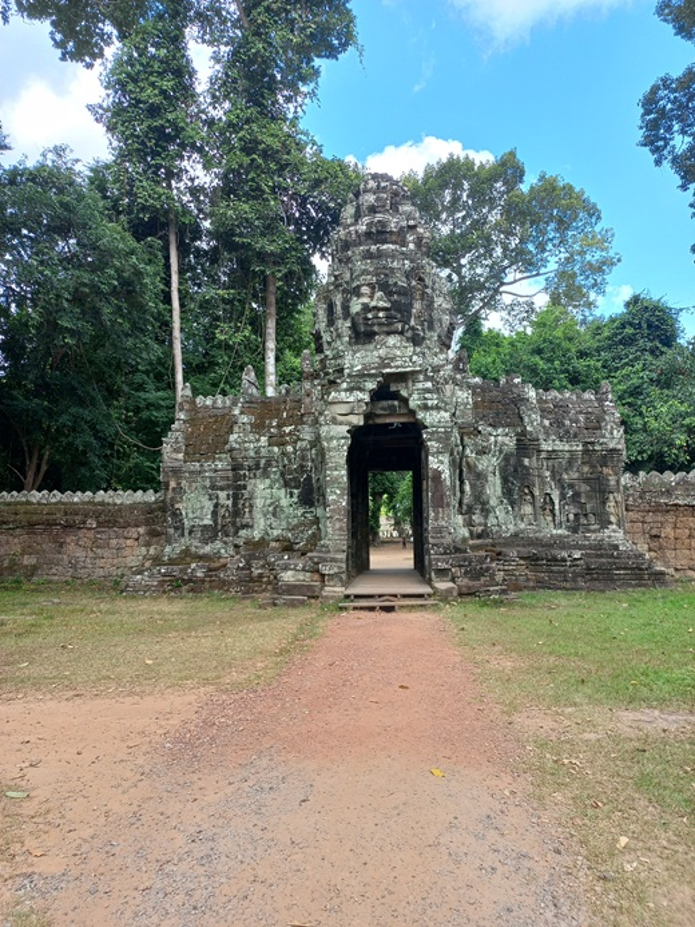
Banteay Kdei temple sits quietly along the grand circuit of Angkor, often bypassed by visitors chasing the headline sites. That is precisely why it deserves your attention. Less crowded, less restored, and more contemplative, it offers a rare opportunity to experience Angkor at a slower, more reflective pace.
This article is for travelers, photographers, and history enthusiasts who want to go beyond the obvious. You will discover what makes Banteay Kdei unique, how to explore it effectively, and why it plays an important role in understanding the evolution of Angkorian architecture and Buddhism under Jayavarman VII.
The Historical Context of Banteay Kdei
Banteay Kdei was built in the late 12th to early 13th century under King Jayavarman VII, the same ruler responsible for Ta Prohm and Bayon. His reign marked a significant shift from Hinduism to Mahayana Buddhism, and Banteay Kdei reflects this transition clearly.
Unlike Angkor Wat, which was designed as a grand state temple, Banteay Kdei functioned more as a monastic complex. It likely housed Buddhist monks and served as a place of learning and meditation.
The name “Banteay Kdei” (Khmer: បន្ទាយក្ដី) translates loosely as “Citadel of Chambers.” It is an apt description. The temple is a maze of interconnected halls, courtyards, and galleries that invite slow exploration rather than grand spectacle.
A Modest but Telling Construction
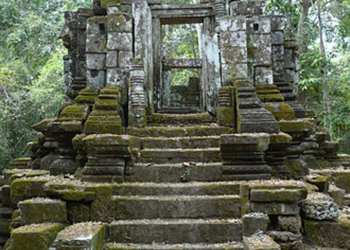
One detail often overlooked is the quality of construction. Compared to other temples of the same period, Banteay Kdei was built with less durable materials and techniques. This has led to significant deterioration over time, but it also gives the site a certain raw authenticity. You see the structure aging, rather than preserved into perfection.
A Layout Designed for Movement
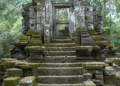
Banteay Kdei follows a classic Angkorian plan with concentric enclosures, but it feels more labyrinthine than symmetrical. As you move inward, the temple reveals itself gradually.
Key elements include:
- Four concentric enclosure walls
- Gopuras or entrance towers at cardinal points
- Long corridors connecting courtyards and sanctuaries
- A central sanctuary that once held a Buddha image
The experience is less about reaching a single focal point and more about wandering through a sequence of spaces.
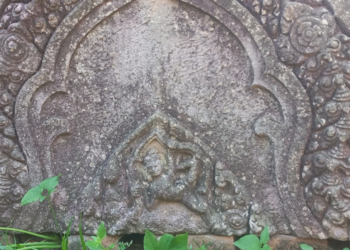
Do not expect the refined carvings of Banteay Srei or the monumental bas-reliefs of Angkor Wat. Here, decoration is more restrained, but still worth attention.
Look for:
- Devata figures carved into sandstone pillars
- Lintel carvings with Buddhist motifs
- Weathered apsaras that retain a quiet elegance
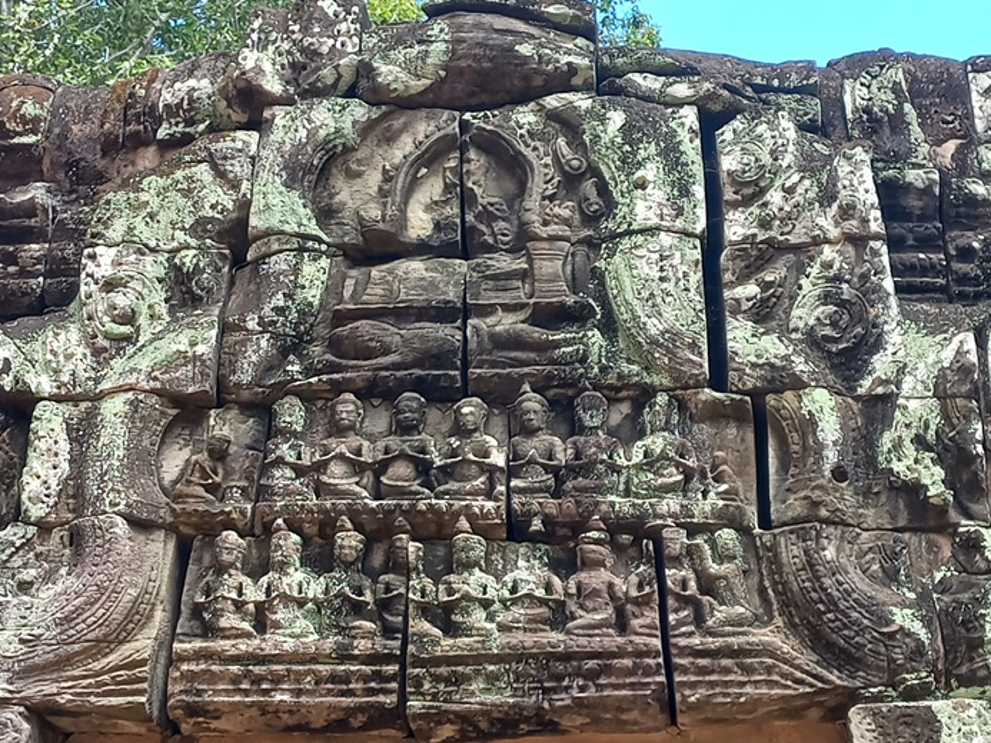
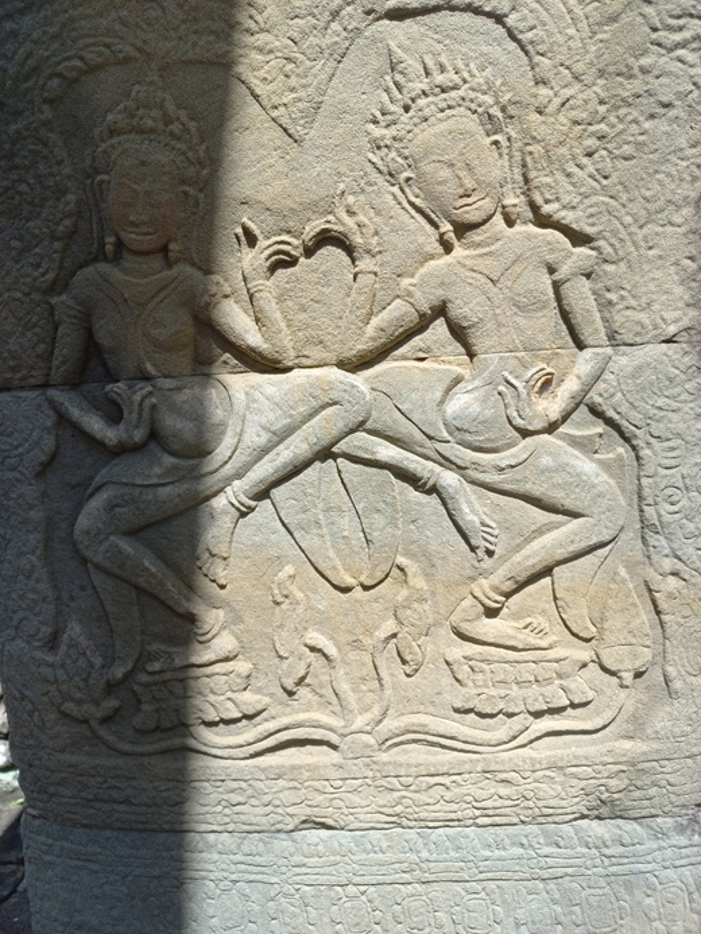
Many carvings are eroded, yet this softening adds to the atmosphere rather than detracting from it.
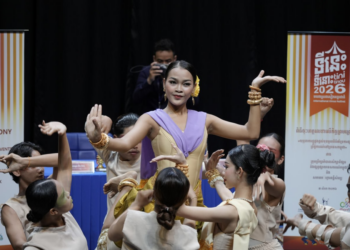
One of the more notable features is the so-called Hall of Dancers. Similar structures appear in other Jayavarman VII temples, though their exact function remains debated.
At Banteay Kdei, this hall features columns adorned with dancing figures. Whether they represent celestial dancers or ritual performers, they add a dynamic element to an otherwise introspective space.
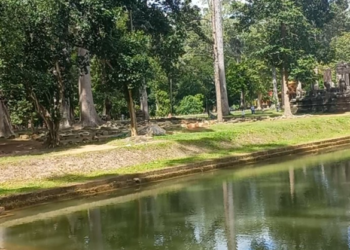
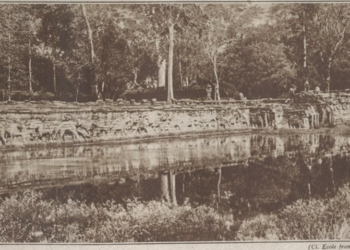
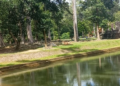
Just across the road lies Srah Srang, a large reservoir often referred to as the “Royal Bath.” Visiting Banteay Kdei without crossing over to Srah Srang would be a missed opportunity.
The two sites complement each other beautifully:
- Banteay Kdei offers enclosed, shaded exploration
- Srah Srang opens onto a vast, reflective landscape
Srah Srang is one of the best sunrise spots in Angkor. While Angkor Wat draws the masses, Srah Srang remains relatively calm.
A practical tip: start at Srah Srang for sunrise, then walk across to Banteay Kdei as the light softens. The temple is especially photogenic in early morning, when shadows define its corridors and textures.
Banteay Kdei is located about 2 kilometers east of Angkor Thom, along the grand circuit. It is easily accessible by tuk-tuk, bicycle, or car.
Most drivers include it as a short stop between Ta Prohm and Pre Rup, but it deserves at least 30 to 45 minutes of unhurried exploration.
Early morning and late afternoon are ideal. Midday light flattens the textures and reduces the charm.
If you want a quieter experience:
- Visit before 8:30 AM or after 3:30 PM
- Enter from the less-used gates if possible
- Take time to explore side corridors, not just the main axis
To make your visit more meaningful, focus on:
- The interplay of light and shadow in the corridors
- The contrast between sandstone carvings and laterite walls
- Signs of restoration and structural support, which tell their own story
Banteay Kdei rewards attention rather than speed.
Due to its relatively poor construction, Banteay Kdei has required extensive conservation work. Several sections have collapsed or been reinforced over the years.
Restoration efforts, led by international teams, aim to stabilize rather than reconstruct. This approach preserves the temple’s authenticity, even if it remains partially ruined.
While no longer an active monastery, Banteay Kdei still carries a spiritual presence. Visitors occasionally encounter monks or small offerings left at shrines.
Respectful behavior is important:
- Dress appropriately
- Avoid climbing on fragile structures
- Keep noise to a minimum
The atmosphere here invites quiet observation rather than spectacle.
Why Banteay Kdei Still Matters
Banteay Kdei may not compete with Angkor Wat in scale or Ta Prohm in cinematic appeal, but it offers something arguably more valuable: intimacy.
It reveals a different side of Angkor, one focused on daily religious life rather than royal grandeur. It also illustrates the ambitions and limitations of Jayavarman VII’s building program, where quantity sometimes outpaced durability.
For photographers, it provides texture and depth. For historians, it offers clues about monastic organization. For travelers, it delivers a moment of calm in a landscape that can otherwise feel overwhelming.
Banteay Kdei temple is not about spectacle, but about atmosphere, detail, and quiet discovery. Give it time, and it will reward you with one of the most human-scale experiences in Angkor.
Pascal Médeville is a writer and digital publisher based in Cambodia, where he documents the country’s cultural heritage through the Wonders of Cambodia platform. His work focuses on Angkorian history, Khmer traditions, and regional gastronomy, with a particular interest in lesser-known sites like Banteay Kdei.