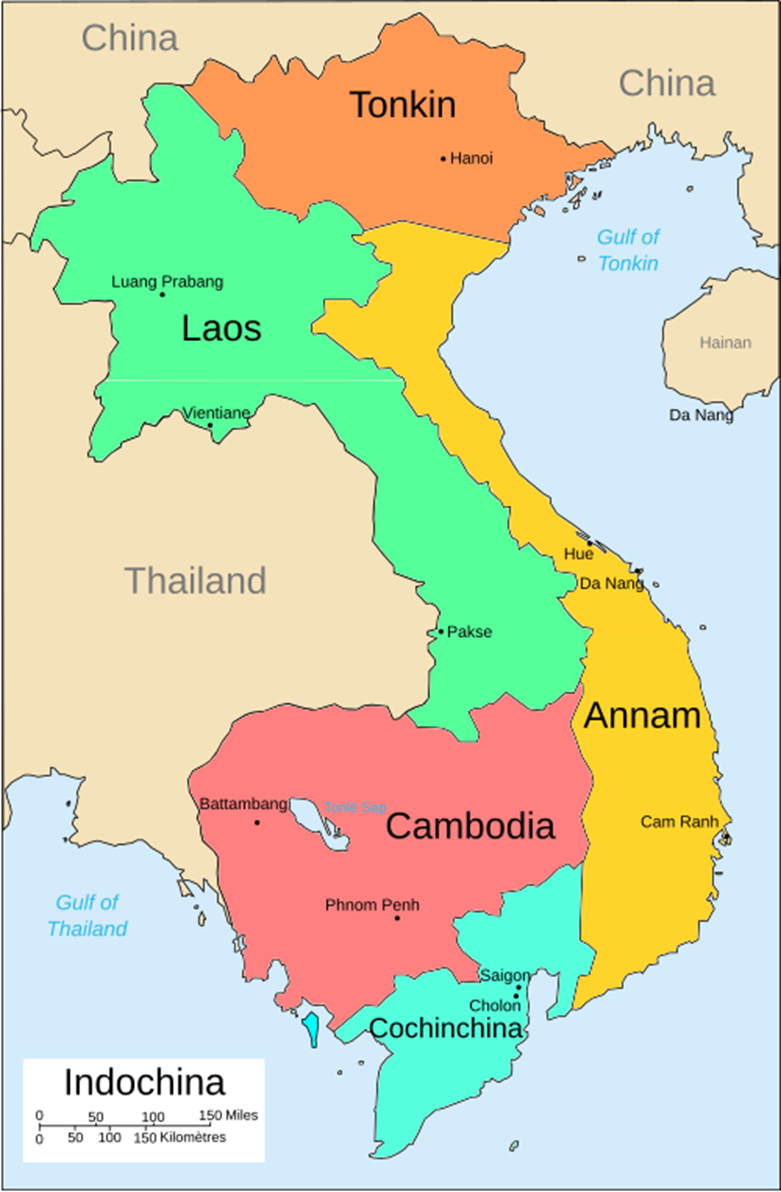

The Khmer Loeu (Khmer: ជនជាតិខ្មែរលើ, meaning “upper Khmers”) is a collective term used to describe the various indigenous ethnic groups inhabiting the highland regions of northeastern Cambodia, primarily in the provinces of Ratanakiri, Stung Treng, and Mondulkiri. These groups are distinct from the lowland Khmer majority both culturally and linguistically and have historically maintained separate identities.
Ethnic Composition and Origins
The Khmer Loeu are not a single ethnic group but rather an umbrella term encompassing 17 to 21 different ethnic groups, each with its own language and cultural practices. Most of these groups belong to the Mon-Khmer language family, which is part of the larger Austroasiatic linguistic group and represents some of the earliest inhabitants of mainland Southeast Asia. Their ancestors migrated into the region from the northwest during prehistoric times, particularly the metal ages.
In addition to the Mon-Khmer groups, two Khmer Loeu groups—the Rade and Jarai—are Chamic peoples, part of the Austronesian language family. These groups have a different linguistic and cultural background, descending from the Malayo-Polynesian peoples who once established the Champa kingdoms along the coast of present-day Vietnam before migrating westward into Cambodia’s highlands.
Population and Distribution
Estimates of the Khmer Loeu population vary, but they likely number between 120,000 and 400,000 people, constituting about 2-3% of Cambodia’s total population. The 2008 census recorded around 179,000 individuals, while earlier estimates from the 1990s were lower, around 142,700. They primarily live in scattered, often temporary villages with populations of a few hundred, governed by local elders or village headmen.
Culture and Lifestyle
The Khmer Loeu maintain traditional lifestyles closely tied to their environment. Their main agricultural practice is slash-and-burn cultivation, focusing on upland or dry rice as the staple crop. Supplementing their diet, they engage in hunting, fishing, and gathering forest products. Housing varies widely, from large multifamily longhouses to small single-family homes, either built close to the ground or elevated on stilts depending on the group.
Religiously, many Khmer Loeu adhere to animistic beliefs, though some have adopted Theravada Buddhism, reflecting some cultural exchange with lowland Khmer populations.
Political and Social Status
Unlike other ethnic minorities in Cambodia such as the Cham, Vietnamese, and Chinese, the Khmer Loeu have largely remained politically unorganized and marginalized. They have not integrated into mainstream Khmer society or culture and are underrepresented in the Cambodian government. There have never been formal treaties between the Khmer Loeu groups and the government, and Cambodia is not a signatory to the Indigenous and Tribal Peoples Convention, which protects indigenous rights internationally.
Cambodia’s 2001 Land Law theoretically guarantees indigenous peoples communal rights to their traditional lands. However, the government has been accused of routinely violating these provisions by confiscating land for commercial logging, mining, and foreign development projects, often displacing Khmer Loeu communities.
Historical Context
During the French colonial period, the French administration largely left the Khmer Loeu affairs alone but recruited many from these groups into military service, valuing their knowledge of the rugged highlands. In the 1960s, the Cambodian government coined the term “Khmer Loeu” to foster a sense of unity between the highland tribes and the ethnic Khmer majority.
The Khmer Loeu also played a complex role during Cambodia’s turbulent 20th-century history. In the 1970s, some Khmer Loeu groups were recruited by communist forces opposing the Cambodian government, contributing to the eventual rise of the Khmer Rouge. After the fall of the Khmer Rouge in 1979, the new government recognized Khmer Loeu as Cambodian citizens and made nominal commitments to respect their languages and cultures, including efforts to eliminate illiteracy and allow education in minority languages. Despite these promises, practical implementation has been limited.
Challenges and Contemporary Issues
The Khmer Loeu face ongoing challenges including land dispossession, lack of political representation, and cultural marginalization. Their traditional lands are increasingly threatened by commercial interests, and many communities struggle to maintain their cultural heritage in the face of modernization and assimilation pressures.
While some Khmer Loeu groups have adopted elements of Khmer culture and Buddhism, many continue to practice their indigenous languages and customs. The lack of formal political organization and representation leaves them vulnerable to exploitation and neglect by authorities.
In summary, the Khmer Loeu are a diverse collection of indigenous highland ethnic groups in Cambodia with deep historical roots in the region. They maintain distinct languages, cultures, and traditional ways of life, but remain marginalized politically and economically. Despite legal protections, they face significant threats to their land and cultural survival in contemporary Cambodia.