Lost in the labyrinth of Angkor’s ancient stones, Ta Prohm rises like a dream reclaimed by roots. This temple of tangled trees and silent grandeur invites visitors to witness what happens when nature reclaims human ambition. A mélange of mystery, history, and green serenity — the very essence of Cambodia’s timeless charm.
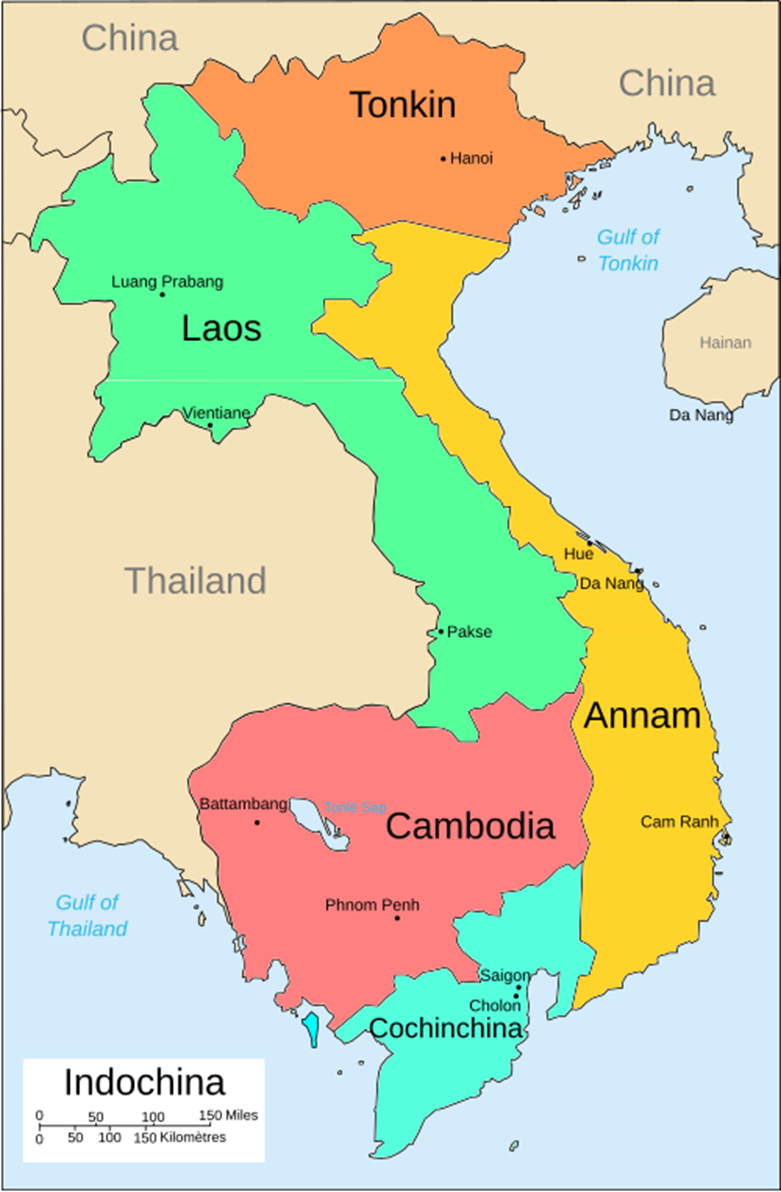
If Angkor Wat is the royal statement of divine order, then Ta Prohm (Khmer: ប្រាសាទតាព្រហ្ម) is the tender apology whispered by nature afterward. Deep within Cambodia’s Siem Reap province, this temple stands not merely as a ruin, but as a living negotiation between stone and root — a place where trees hold court over the ghosts of kings.
Built in the late 12th century by King Jayavarman VII and dedicated to his mother, Ta Prohm forms part of the vast complex of Angkor temples, yet it has a personality all its own: anarchic, poetic, and deliciously photogenic. It’s a temple that humbles monumentality under the weight of banyan limbs and the slow, confident work of time.
This article is for those who wish to explore Ta Prohm not only with a camera but with curiosity — travelers, history lovers, or digital wanderers seeking that perfect alchemy between story, stone, and shade.

The Making of a Temple Caught in Time
A Mother’s Gift and a King’s Vision
Ta Prohm was originally named Rajavihara, meaning “Monastery of the King.” Commissioned by the great Jayavarman VII — Cambodia’s most prolific temple-builder — it was dedicated to his mother, which already sets a tender tone in a landscape otherwise obsessed with gods and wars. Completed around 1186 CE, the temple once housed thousands of monks, attendants, and dancers, a small city teeming with spiritual bustle.
Its design follows the classic Bayon style — serene faces, tight galleries, and courtyards echoing with Sanskrit hymns. But unlike many temples that underwent restoration to achieve serene symmetry, Ta Prohm was deliberately left half-wild. The French archaeologists of the École française d’Extrême-Orient decided early in the 20th century to maintain its “picturesque state of ruin,” letting nature and masonry coexist in a visual duet too striking to disturb.
If Ta Prohm were a film set, the true stars would be the Tetrameles nudiflora and Ficus gibbosa trees that claw their way across lintels and walls. Their serpentine roots look like nature’s calligraphy — complete sentences written in bark on a backdrop of ancient sandstone.
Some seem to embrace the walls in affection, others in slow conquest. The temple has become a symbol of the delicate balance between creation and decay, where time itself seems sculpted. You come here not to worship, exactly, but to listen — to the faint murmur of wind through leaves translating the Sanskrit of centuries.

Ta Prohm in the Shadow of Angkor’s Legends
From Forgotten Monastery to Global Icon
For centuries after the fall of the Khmer Empire, Ta Prohm slept under layers of soil and vine. Rediscovered in the 19th century by French explorers, it joined the pantheon of places where Western romanticism saw “lost worlds” — a term both evocative and, admittedly, condescending.
But the fame of Ta Prohm came roaring back in the 21st century when it served as the cinematic backdrop for Lara Croft: Tomb Raider. The temple suddenly found itself in glossy film frames, its quiet dignity temporarily interrupted by Hollywood acrobatics. Yet ironically, the movie helped renew global awareness of Cambodia’s heritage.
Today, Ta Prohm balances between popular spectacle and quiet ruin. Visit early in the morning, and you might still catch that ethereal silence before the tour groups arrive — a hush worthy of a thousand years.
The Mysterious “Dinosaur” Bas-Relief
Among the many carvings that line Ta Prohm’s mossy corridors, one stands out for sparking the imaginations of both archaeologists and internet theorists alike: the so-called “stegosaurus” bas-relief. It depicts what appears to be a prehistoric creature, complete with what look — debatably — like plates along its back.
Science, of course, offers humbler explanations. Most likely, it shows a stylized rhinoceros, boar, or mythical beast, with the leafy halo behind it mistaken for spines. Yet the fascination persists, and rightly so — it’s a perfect example of how the human mind finds patterns where mystery lingers. Whether dinosaur or divine metaphor, it adds a delightful layer of intrigue to an already enigmatic temple, a whisper of how the ancient and the imaginary often share the same stone.

Walk through its narrow corridors, and you find reliefs depicting celestial dancers, devata, frozen mid-step. Once gilded with gold and lacquer, they now shimmer only in imagination. Inscriptions list the temple’s former riches: thousands of pearls, silk garments, incense, and even a “hall of precious things” (who could resist investigating that name?).
The irony is rich: a temple built to preserve sacred traditions now teaches humility through impermanence. No doctrine could have done better.
Practical Wisdom for the Modern Traveler
- Best time: Early morning (around 7 AM) or late afternoon (after 4 PM), when the crowds thin and the light turns liquid gold.
- Season: Dry season (November–March) offers clearer skies and firm paths; wet season (May–October) brings cinematic mist, fewer tourists, and slipperier stones.
- Ticketing: Ta Prohm is part of the Angkor Archaeological Park — buy the standard pass (1-, 3-, or 7-day options).
A local guide can reveal details invisible to the casual glance: restored apsaras, ancient inscriptions, or a doorway deliberately tilted to align with a vanished tower.
How to Photograph Ta Prohm Like a Poet
Skip the selfie jams and go for textures instead. Focus on the play of shadow and root, or the way light nests in the hollow of a wall. Early light enhances the moss’s impossible green, while midday sun flattens it into glare. The famous “spung tree” wrapped around the eastern gopura is best shot from the right side — trust me, nature has already composed the frame.
The Spiritual Geometry of Roots and Ruins
Ta Prohm is more than a temple; it’s a philosophical riddle. In its structures, you see the Buddhist concept of anicca (impermanence) rendered in stone and vine. Walls crumble, yet the roots bind them back together. Each arch broken is also an arch reborn in vegetal form.
As in life, permanence is illusion, and beauty often emerges from surrender. The temple communicates this without sermon or scripture — the eloquence of entropy itself.
Even scholars note that Ta Prohm offers a rare harmony between human devotion and ecological persistence. Unlike the sterilized grandeur of fully “restored” sites, here, the art of decay becomes its own aesthetic.
Sources & Further Reading / To Know More
- APSARA Authority official site: Detailed information on the Angkor Archaeological Park, conservation efforts, and visiting hours.
- UNESCO World Heritage Centre: Overview of Angkor’s cultural significance and heritage protection policies.
- Michael Freeman & Claude Jacques, Ancient Angkor: A richly photographed guide exploring the art and symbolism behind Cambodia’s temples.
- John Burgess, Stories in Stone: The Temples of Angkor: Historical insights woven with narrative flair.
- Lonely Planet Cambodia guide: Practical travel advice, maps, and updated logistics for visiting Ta Prohm and beyond.
- Government of Cambodia tourism site: Official resources for planning trips to Siem Reap and surrounding areas.
In Ta Prohm, the past is not dead — it is simply asleep under moss. To walk through its galleries is to join that dream for a moment, to feel how power and piety, architecture and entropy, can bloom together. Among Angkor’s many wonders, this one remains the most human of all.
Pascal Médeville is a writer and digital publisher based in Cambodia. He explores the intersections of history, travel, and imagination, writing about the cultures that shape — and are shaped by — their landscapes. From Angkor’s ancient stones to Phnom Penh’s modern rhythms, he uncovers the poetry hidden in time.