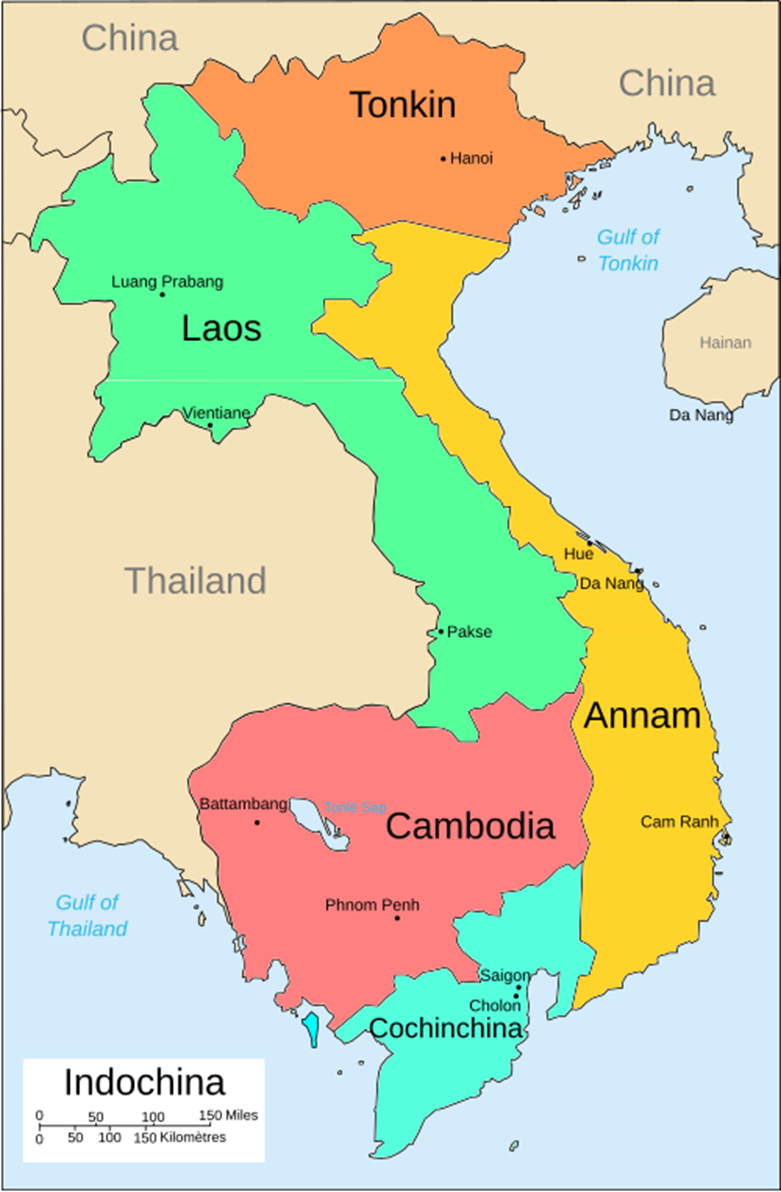
Suon Sorin (សួន សុរិន្ទ) (1930–?) was born in Sangker district, Battambang province, in northwestern Cambodia, a region long associated with rice farming and rural life. He belonged to the generation that came of age around independence, when Cambodia was emerging from French colonial rule and redefining its cultural and political identity.
A New Sun Rises Over the Old Land (ព្រះអាទិត្យថ្មីរះលើផែនដីចាស់), first published in 1961, is his only known work of fiction and has since become an iconic, almost canonical novel of modern Khmer literature. Suon Sorin is believed to have perished during the Khmer Rouge period, when many artists and intellectuals disappeared, which makes this surviving novel an especially precious witness to pre‑war Cambodian society.

A New Sun Rises Over the Old Land is set in the years after Cambodian independence, during the Sangkum Reastr Niyum era under Norodom Sihanouk. The novel follows Sam, a young man who leaves the countryside for Phnom Penh after his parents’ death, hoping to earn an honest living as a cyclo driver in the rapidly changing capital.
In the city he encounters systemic injustice as landlords, factory bosses, politicians and petty capitalists relentlessly exploit the poor, turning his dream of urban progress into a daily struggle for survival. First published in Khmer in 1961, the work has since been translated into English by Roger Nelson and is now often cited as a key social‑realist portrait of post‑colonial Cambodia and its hopes for “a new sun” of national renewal.
A New Sun Rises Over the Old Land by Suon Sorin is a landmark Cambodian novel that captures the hopes, tensions and contradictions of Sihanouk’s Cambodia in the early 1960s. The story centers on Sam, a young villager from Battambang who moves to Phnom Penh after the death of his parents, driven by the belief that the capital offers work, dignity and a way out of rural poverty. He becomes a cyclo driver, navigating the crowded streets and ferrying passengers whose wealth and power highlight his own precariousness. From the outset, Sam’s simple wish is to earn an honest wage through hard work, but this ideal collides with a city structured by sharp inequalities and casual exploitation.
Sam and his wife Soy quickly discover that life in Phnom Penh is harsher than they imagined. Their landlord, the woman who rents Sam his cyclo, factory owners and local politicians all take their share, each small act of greed chipping away at the couple’s fragile stability. Around them, other workers and urban poor offer solidarity and kindness, but they, too, are barely surviving, trapped in a system where every riel counts and any illness or accident can be catastrophic. As debts mount and disappointments accumulate, the city begins to erode Sam’s confidence, self‑respect and moral compass.
The novel traces Sam’s gradual descent as the pressures of urban capitalism and corruption deny him his humanity at every turn. He is pushed toward moral compromises and temptations he once would have rejected, and the consequences devastate his small family. Sorin’s social‑realist style emphasizes types and classes—the cyclo driver, the landlord, the boss, the official—rather than purely interior psychology, using Sam’s trajectory to expose structural injustice in a new, formally independent nation. Phnom Penh appears both modern and merciless, a symbol of development that forgets those who power it with their labor.
Yet the book does not end in unrelieved darkness. With Cambodia’s liberation from colonial rule and the consolidation of Sihanouk’s regime, Sam’s fortunes shift, and he returns to the countryside. There he finds that peasant life, while still difficult, now carries a sense of dignity, joy and collective hope that contrasts sharply with his urban ordeal. The famous line that the peasants’ existence, once filled with suffering and decline, is now filled with fresh joy, happiness and new hope sums up the novel’s official optimism about the new nation and its leadership. At the same time, this resolution underscores the ideological dimension of the text, which has often been read as both a celebration and a subtle critique of Sihanouk’s promise of “Buddhist socialism” and rapid modernization.
Today, A New Sun Rises Over the Old Land is widely regarded as an essential work of modern Khmer literature and is still taught in Cambodia, offering readers a vivid, historically grounded portrait of class, migration and the search for a decent life in a society on the cusp of dramatic change.
An important part of the novel’s afterlife is its modern English edition, which makes this classic of Khmer literature accessible to a global audience. A New Sun Rises Over the Old Land: A Novel of Sihanouk’s Cambodia is translated into English by Roger Nelson and published by NUS Press, Singapore, as part of its efforts to highlight significant Southeast Asian texts in translation. The paperback edition carries the ISBN 978-981-325-077-2 and includes a substantial introduction and notes that situate Suon Sorin’s work within the political and cultural context of Sangkum-era Cambodia. Through this carefully annotated translation, contemporary readers can appreciate both the narrative power of Sam’s story and the novel’s place in Cambodia’s literary and historical landscape.
Buy this book on Wonders of Cambodia bookshop, here.