


King Jayavarman VII (ជ័យវរ្ម័នទី៧) (reigned c. 1181–1218) is widely regarded as one of the most significant rulers in Cambodian history. Under his reign, the Khmer Empire reached its zenith in terms of territorial expansion, architectural achievements, and administrative organization. A devout Buddhist, Jayavarman VII left an enduring legacy through his monumental constructions, including the famous Angkor Thom and the Bayon Temple, as well as his efforts to improve the welfare of his people. His reign marked a golden age in Khmer history, blending military prowess, spiritual devotion, and social reform.
Early Life and Rise to Power
Jayavarman VII’s early life remains somewhat shrouded in mystery, but historical inscriptions suggest he was a prince of the Khmer royal family. Before becoming king, Cambodia was under the control of the Cham invaders, who sacked Angkor in 1177. Jayavarman VII, then a military leader, rallied Khmer forces and expelled the Chams in 1181, restoring Khmer sovereignty. His victory solidified his claim to the throne, and he was crowned king, initiating a reign that would transform the empire.
Military and Political Achievements
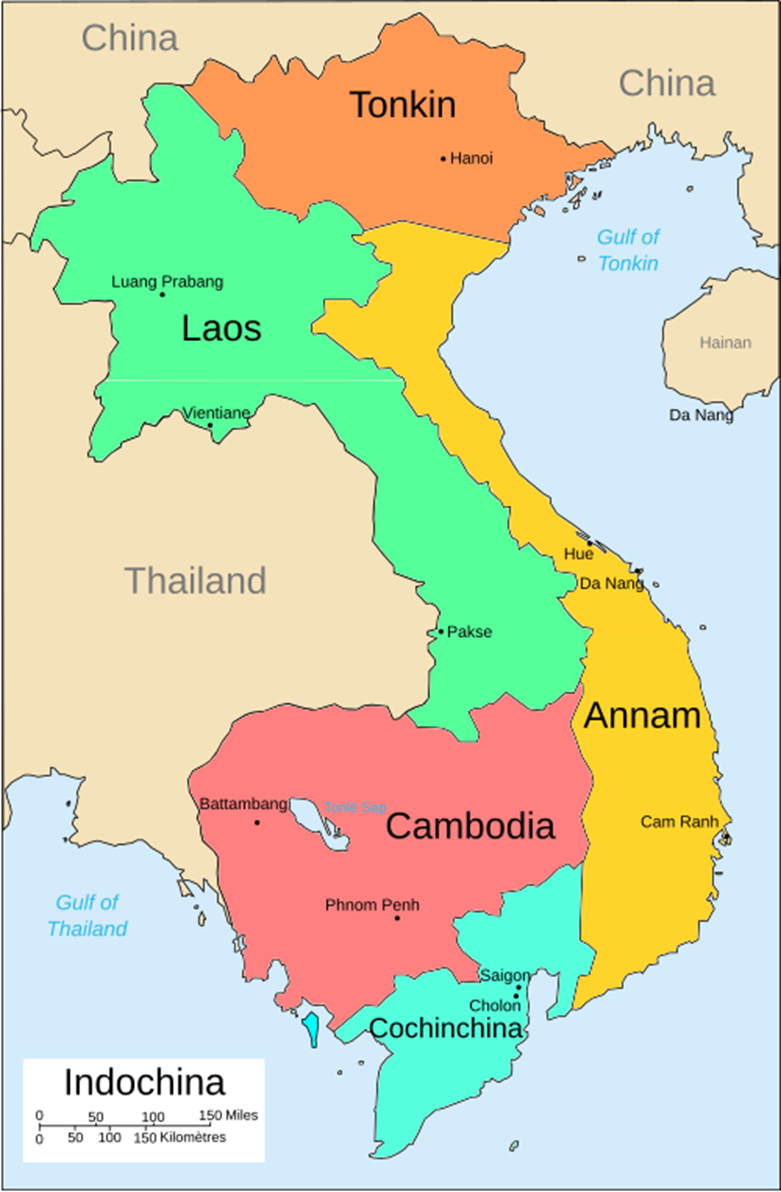
Jayavarman VII was not only a spiritual leader but also a formidable warrior and strategist. After defeating the Chams, he expanded the Khmer Empire’s influence into neighboring regions, including parts of modern-day Laos, Thailand, and Vietnam. His military campaigns ensured Khmer dominance in Southeast Asia, and his diplomatic skills helped maintain stability within the empire.
Unlike his Hindu predecessors, Jayavarman VII embraced Mahayana Buddhism, which became the state religion. This shift influenced his governance, as he promoted compassion and public welfare, aligning his rule with Buddhist principles.
Architectural and Urban Contributions
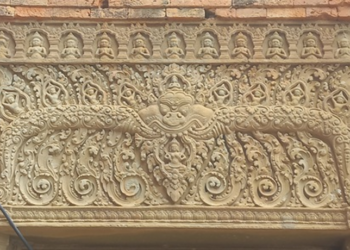
Jayavarman VII’s reign is most celebrated for its architectural marvels. He embarked on an unprecedented building program, constructing temples, hospitals, roads, and rest houses across the empire. His most famous projects include:
– Angkor Thom: A vast fortified city that served as the new capital of the Khmer Empire. Surrounded by massive walls and a moat, Angkor Thom was a masterpiece of urban planning;
– The Bayon Temple: The centerpiece of Angkor Thom, known for its enigmatic stone faces, believed to represent the bodhisattva Avalokiteshvara or perhaps the king himself;
– Ta Prohm and Preah Khan: These sprawling temple complexes were dedicated to Jayavarman VII’s family and served as both religious and administrative centers;
– The Banteay Chhmar temple: an architectural masterpiece located in today’s Banteay Meanchey province, known for its incredible bas-reliefs;
– Public Infrastructure: He built an extensive network of roads connecting major cities, along with 102 hospitals and rest houses for travelers, demonstrating his commitment to social welfare.
Social and Religious Reforms
Jayavarman VII’s rule was marked by a strong emphasis on public service. His hospitals, staffed by doctors and attendants, provided free medical care—an extraordinary innovation for the time. He also promoted education and religious tolerance, allowing both Hindu and Buddhist traditions to flourish.
His devotion to Buddhism influenced his policies, as he sought to alleviate suffering among his subjects. Inscriptions from his reign describe him as a compassionate ruler who prioritized the well-being of his people over personal glory.
Legacy and Historical Impact
Jayavarman VII’s death around 1218 marked the end of an era. While later kings returned to Hinduism or Theravada Buddhism, his contributions endured. The temples and infrastructure he built remain some of Cambodia’s most iconic landmarks, attracting millions of visitors to Angkor today.
Historians debate whether his massive construction projects strained the empire’s resources, possibly contributing to later decline. However, his vision of a unified, prosperous, and compassionate kingdom remains a defining chapter in Cambodian history.
King Jayavarman VII was more than a conqueror—he was a visionary leader who reshaped Cambodia’s cultural and political landscape. His architectural genius, military successes, and humanitarian policies set him apart as one of the greatest monarchs of the Khmer Empire. Today, his legacy lives on in the stone faces of the Bayon, the grandeur of Angkor Thom, and the enduring spirit of Cambodia.











Comments 1