
The Architect of a Tempered Domination
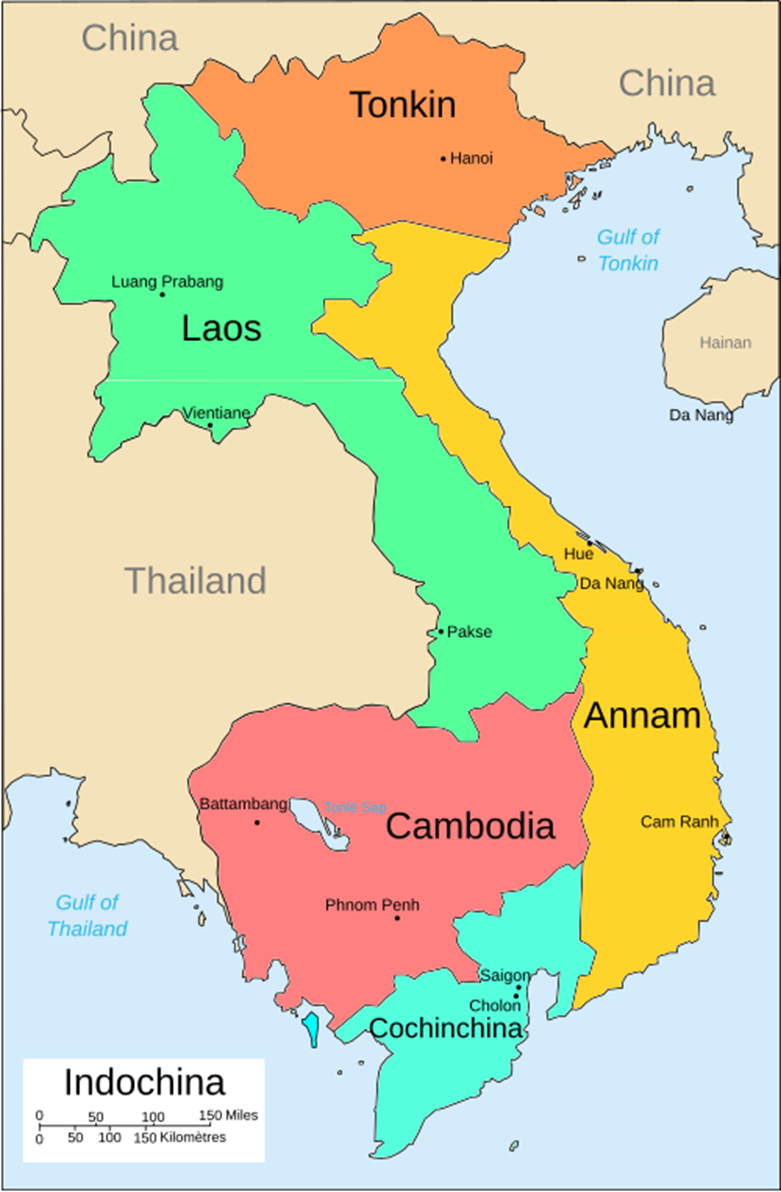
Within the intricate mosaic of Indochina, Charles Le Myre de Vilers (1833-1918) emerges as an iridescent figure, out of step with his age and his certainties. A man of principle, he was dispatched to the fringes of the Empire to enforce what Paris then called the “civilizing grip.” In the borderlands of Cambodia, this high commissioner—at once diplomat and administrator—cast the shadow of a France uneasy about its own imperial vocation.
An Unfinished Dialogue with the East
Le Myre de Vilers instinctively fathomed the depth of the worlds he administered. Never deceived by official veneers, he sensed the passive resistance of Khmer and Vietnamese societies and the subtle games of local courts. His correspondence—oscillating between melancholy and lucidity—shows a constant concern for reform, reform always incomplete, unraveled by inertia and the intransigence of reality.
A Reformer on Shifting Ground
While his contemporaries improvised colonization, Le Myre de Vilers dared to foster genuine exchanges: consulting notables, sketching modernizations, formally respecting traditions. Yet every gesture, every decision, encountered reciprocal distrust. His Indochina, paradoxical and fragile, hovered between the desire for acculturation and the maintenance of distance.
An Inheritance of Uncertainty
Le Myre de Vilers’ trajectory is neither a clear victory nor a defeat. His passage, marked throughout by ambivalence, highlights the impossible reconciliation of the French universalist dream with the irreducible complexity of Southeast Asia. In the Indochina of the beginnings, he embodies that wavering moment when colonial certainty faltered, when History was written in the fleeting shimmer of irresolution.