Wonders of Cambodia
  • Home
  • Culture
  • Cuisine
  • Tourism
  • Business
  • Life in Cambodia
  • 中文
  • ខ្មែរ
  • Français
  • Tiếng Việt
  • e-Books
No Result
View All Result
  • Home
  • Culture
  • Cuisine
  • Tourism
  • Business
  • Life in Cambodia
  • 中文
  • ខ្មែរ
  • Français
  • Tiếng Việt
  • e-Books
No Result
View All Result
Wonders of Cambodia
No Result
View All Result
Home Culture Geography Fauna

Giant Ibis: Cambodia’s National Bird

Pascal Medeville by Pascal Medeville
March 17, 2026
in Fauna, Knowledge
Reading Time: 5 mins read
0
Giant ibis (Source: AKP)

The Giant Ibis (Pseudibis gigantea, Khmer: សត្វត្រយ៉ងយក្ស sat tra-yang yeak) holds a special place in Cambodia, not only as the nation’s largest avian species but also as a powerful symbol of national heritage, ecological importance, and urgent conservation need. Its majestic stature, cultural stories, and critically endangered status make the Giant Ibis a topic of international conservation interest and Cambodian pride.

Description and Identification

The Giant Ibis is the world’s largest ibis species, standing out for its impressive size and striking features. Adult birds measure between 102–106cm in length, have a standing height of up to 100cm, and weigh approximately 4.2kg. The wingspan is extensive, and the tail length is about 30cm. This bird exhibits:

  • Plumage: Dark, greyish-brown feathers with a naked, greyish head and upper neck. Distinct dark bands appear across the back of the head and shoulder.
  • Wingtips: Pale, silvery-grey with black crossbars.
  • Beak: Long, curved downward and yellowish-brown.
  • Eyes: Dark red.
  • Legs: Bright orange.
  • Calls: Known locally as ‘aoleuk’ after their distinctive, mournful call, often heard around dawn and dusk.
  • Juveniles: Have brown eyes and short black feathers on the back of the head and neck.

Habitat and Distribution

Formerly widespread across much of mainland Southeast Asia, the Giant Ibis is now predominantly found in northern and eastern Cambodia, with small remnant populations in southern Laos and rare sightings in Vietnam.

  • Habitat: Prefers lowland swamps, marshes, lakes, flooded plains, wide rivers, and semi-open deciduous forests, often in areas with seasonal pools and wetlands.
  • Range: Mostly confined today to northeastern provinces in Cambodia such as Preah Vihear, Stung Treng, Mondulkiri, Kratie, and Ratanakiri.
  • Behavior: Spends much of its time foraging in secluded, muddy pools and wetland areas, sometimes traveling several kilometers to find suitable water sources.

Ecology and Behavior

  • Diet: Eats aquatic invertebrates, eels, crustaceans, small amphibians, reptiles, locusts, cicadas, and occasionally seeds. Earthworms from wet grasslands are an important nesting-season food.
  • Breeding: Breeds during the rainy season (June–September), building nests in tall trees at least several kilometers from human settlements. Lays around two eggs per clutch.
  • Social Structure: Usually seen alone or in pairs; may gather in small groups in the dry season.

Conservation Status

The Giant Ibis is one of the rarest birds in the world, with fewer than 200 mature individuals estimated to remain. Key threats include:

  • Habitat Loss: Wetlands drained for farming, logging, and conversion of forests to plantations.
  • Hunting: Historically hunted for food; eggs and chicks face predation.
  • Climate Change: Drought and reduced seasonal water affecting foraging and breeding.
  • Human Encroachment: Expansion of settlements and roads into critical habitat.

Conservation Efforts

Ongoing work includes:

  • Nest Protection: Local communities monitor and protect nests from predators.
  • Legal Protection: Hunting is banned by Cambodian law.
  • Protected Areas: Important sites such as Siem Pang Wildlife Sanctuary and forests in Preah Vihear.
  • Ecotourism: Birdwatching tours and sustainable rice programs that encourage habitat protection.
  • Awareness Campaigns: Promoting cultural pride and public engagement in conservation.

Cultural and National Significance

The Giant Ibis is a treasured Cambodian symbol:

  • National Recognition: Officially designated the national bird in 2005.
  • Local Names: Known as “Tra-yang,” “Kangor Yak,” or “Aov Loeuk.”
  • Folklore: Its mournful call is linked to local legends and traditional songs.
  • Historic Beliefs: Its blood was once believed to have medicinal properties.
  • Symbol of Resilience: As a species once thought extinct but rediscovered, it reflects Cambodia’s own endurance.

Giant Ibis in the Modern Era

Today, the bird serves as a flagship for wildlife conservation in Cambodia. It draws birdwatchers from around the world, bringing economic benefits to rural communities and raising awareness of the country’s endangered species and ecosystems.

The Giant Ibis is more than a bird—it is a living emblem of Cambodian nature, culture, and conservation challenges. Its future depends on continued protection, community involvement, and national pride. Safeguarding the Giant Ibis means preserving an irreplaceable part of Cambodia’s identity and natural heritage.

Don’t miss our upcoming articles!

We don’t spam!

Check your INBOX or SPAM folder to confirm your subscription.

Tags: BirdsOfCambodiaBirdwatching in CambodiaCambodiaWildlifeEcotourism in CambodiaEndangeredSpecies in CambodiaGiant IbisNationalBird of CambodiaPseudibis giganteaSoutheastAsiaNatureWildlifeConservation in Cambodiaសត្វត្រយ៉ងយក្ស
ShareTweet
Previous Post

Ratanakiri Province: Cambodia’s Frontier of Gems, Culture, and Wilderness

Next Post

Cambodia Press Review: August 2–8, 2025

Pascal Medeville

Pascal Medeville

Author of the blog Wonders of Cambodia, I share my passion for Cambodia through stories, cultural insights, and personal reflections on the country. I'm also the founder of Simili Consulting, where we provide high-quality, professional translation services to international clients.

Related Posts

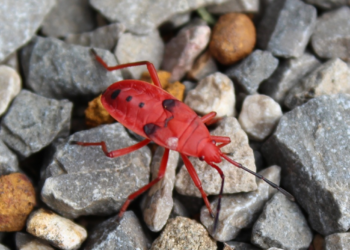
Bright red Probergrothius nigricornis kapok bug walking over mixed gray and brown gravel stones in Cambodia, showing black dorsal spots and slender antennae.
Fauna

Picture of the day: Scarlet Kapok Bug on Cambodian Stones

June 30, 2026
Book: Georges Groslier’s Cambodian Dancers: Ancient and Modern
Books

Book: Georges Groslier’s Cambodian Dancers: Ancient and Modern

June 24, 2026
Reference: Stolen Gods of Angkor – Cambodia’s Lost Statues
Books

Reference: Stolen Gods of Angkor – Cambodia’s Lost Statues

June 21, 2026
Cover of Pauline Dy Phon’s trilingual Dictionary of Plants Used in Cambodia in Khmer, French, and English
Books

Reference: Bringing Pauline Dy Phon’s “Plants Used in Cambodia” Online – A New Life for a Botanical Classic

May 26, 2026
Cozy corner of the Angkor Database Documentation Center with floor‑to‑ceiling wooden bookshelves, a striped chair, and a reading desk filled with books and maps.
Books

Video: Angkor Database Documentation Center

May 21, 2026
Oriental pied hornbill (Anthracoceros albirostris) perched on a tree branch in tropical foliage, showing its black-and-white plumage and large yellow casque.
Fauna

Fauna: Anthracoceros albirostris in Cambodia – The Oriental Pied Hornbill of the Kingdom

May 9, 2026
Next Post
About Wonders of Cambodia

Cambodia Press Review: August 2–8, 2025

  • Trending
  • Comments
  • Latest
The French Protectorate of Cambodia (1863–1953): An Overview

The French Protectorate of Cambodia (1863–1953): An Overview

July 13, 2025
The Franco-Siamese Treaty of 23 March 1907: Borders, Politics, and the Return of Angkor

The Franco-Siamese Treaty of 23 March 1907: Borders, Politics, and the Return of Angkor

February 11, 2026
Cambodian-Vietnamese War (1978-1989)

Cambodian-Vietnamese War (1978-1989)

July 13, 2025
The Legend of Preah Ko Preah Keo: Guardians of Cambodia’s Lost Treasures

The Legend of Preah Ko Preah Keo: Guardians of Cambodia’s Lost Treasures

February 23, 2026
Kampot Province

Takeo Province: A Cradle of Cambodian History and Culture

3
Kratié Town on the Mekong: Colonial Echoes, River Life, and Irrawaddy Dolphins

Kratié Town on the Mekong: Colonial Echoes, River Life, and Irrawaddy Dolphins

3
Banteay Meanchey Province: A Gateway to Cambodia’s Rich Heritage

Banteay Meanchey Province: A Gateway to Cambodia’s Rich Heritage

2
Stung Treng Province: The Gateway to Cambodia’s Northern Wilderness

Stung Treng Province: The Gateway to Cambodia’s Northern Wilderness

2
កាក់ស្ពាន់លាយ Kai Yuan Tong Bao (開元通寶) សម័យរាជវង្សថាង ដែលមានសភាពពុកផុយយ៉ាងខ្លាំង ត្រូវបានថតបង្ហាញក្នុងទម្រង់ពង្រីកធំ ជារូបភាពពីរទន្ទឹមគ្នាបង្ហាញទាំងផ្នែកមុខ និងផ្នែកក្រោយ ដោយកាក់មានរន្ធរាងការ៉េនៅកណ្តាល និងអក្សរចិនដែលនៅសេសសល់អាចអានបានខ្លះៗ ដើម្បីបង្ហាញជាគំរូនៃកាក់ដែលបានរកឃើញនៅអង្គរ។

ប្រវត្តិសាស្ត្រ៖ កាក់ចិនបង្ហាញរឿងរ៉ាវអាថ៌កំបាំងរបស់អង្គរ

July 21, 2026
View of Phnom Neang Kangrei mountains reflected across a tranquil lake in Kampong Chhnang, Cambodia, under an overcast morning sky.

Picture of the day: Phnom Neang Kangrei, Kampong Chhnang

July 21, 2026
Sandstone lintel at Prasat Neang Khmao in Takeo, Cambodia, showing a central mythic face flanked by naga bodies, floral scrolls, and tiny seated figures above, carved in 10th century Khmer Koh Ker style on a brick temple façade.

Wonders of Cambodia – Pictures of the Week: Flavors, Heritage and Everyday Beauty (July 13th~July 19th, 2026)

July 20, 2026
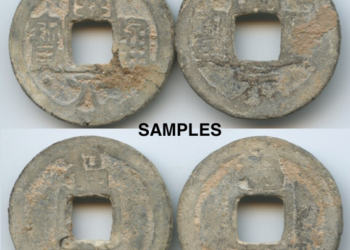
出土于吴哥遗址的唐代开元通宝铜钱样本,展示正反两面。钱币为圆形方孔铜钱,表面磨损和锈蚀较为明显,部分铭文仍可辨认,为研究唐代中国与吴哥王朝之间的贸易和文化交流提供了重要考古证据。

吴哥出土的中国古钱币,揭开了一个鲜为人知的历史真相

July 20, 2026

Recent News

កាក់ស្ពាន់លាយ Kai Yuan Tong Bao (開元通寶) សម័យរាជវង្សថាង ដែលមានសភាពពុកផុយយ៉ាងខ្លាំង ត្រូវបានថតបង្ហាញក្នុងទម្រង់ពង្រីកធំ ជារូបភាពពីរទន្ទឹមគ្នាបង្ហាញទាំងផ្នែកមុខ និងផ្នែកក្រោយ ដោយកាក់មានរន្ធរាងការ៉េនៅកណ្តាល និងអក្សរចិនដែលនៅសេសសល់អាចអានបានខ្លះៗ ដើម្បីបង្ហាញជាគំរូនៃកាក់ដែលបានរកឃើញនៅអង្គរ។

ប្រវត្តិសាស្ត្រ៖ កាក់ចិនបង្ហាញរឿងរ៉ាវអាថ៌កំបាំងរបស់អង្គរ

July 21, 2026
View of Phnom Neang Kangrei mountains reflected across a tranquil lake in Kampong Chhnang, Cambodia, under an overcast morning sky.

Picture of the day: Phnom Neang Kangrei, Kampong Chhnang

July 21, 2026
Sandstone lintel at Prasat Neang Khmao in Takeo, Cambodia, showing a central mythic face flanked by naga bodies, floral scrolls, and tiny seated figures above, carved in 10th century Khmer Koh Ker style on a brick temple façade.

Wonders of Cambodia – Pictures of the Week: Flavors, Heritage and Everyday Beauty (July 13th~July 19th, 2026)

July 20, 2026
出土于吴哥遗址的唐代开元通宝铜钱样本,展示正反两面。钱币为圆形方孔铜钱,表面磨损和锈蚀较为明显,部分铭文仍可辨认,为研究唐代中国与吴哥王朝之间的贸易和文化交流提供了重要考古证据。

吴哥出土的中国古钱币,揭开了一个鲜为人知的历史真相

July 20, 2026
Wonders of Cambodia

Exploring Culture, Nature, and Spirit in the Land of Wonder.

Follow Us

Browse by Category

  • Architecture
  • Architecture
  • Art
  • Books
  • Business
  • Business
  • Cinema
  • Costume
  • Costume
  • Cuisine
  • Culture
  • Defense
  • Du lịch
  • e-Books
  • Education
  • Expat life
  • Fauna
  • Festival
  • Flora
  • Food providers
  • Français
  • Geography
  • Handicraft
  • Health
  • Histoire
  • History
  • Hotels
  • Khmer Stories
  • Khmer stories
  • Knowledge
  • Language
  • Last posts
  • Lịch sử
  • Life in Cambodia
  • Literature
  • Meet the neigbhors
  • Music
  • Pictures
  • Politics
  • Population
  • Press review
  • Professional services
  • Proverbs
  • Reference
  • Reference
  • Religion
  • Restaurants
  • Temples
  • Textile
  • Tiếng Việt
  • Tourism
  • Tourisme
  • Transport
  • Uncategorized
  • Vidéo
  • Video
  • Vie quotidienne
  • Who's who
  • ខ្មែរ
  • ទេសចរណ៍៖
  • បគ្គលល្បី
  • ប្រវត្តិសាស្ត្រោ
  • សៀវភៅ
  • 中文
  • 书籍
  • 历史
  • 商业
  • 旅游
  • 生活

Recent News

កាក់ស្ពាន់លាយ Kai Yuan Tong Bao (開元通寶) សម័យរាជវង្សថាង ដែលមានសភាពពុកផុយយ៉ាងខ្លាំង ត្រូវបានថតបង្ហាញក្នុងទម្រង់ពង្រីកធំ ជារូបភាពពីរទន្ទឹមគ្នាបង្ហាញទាំងផ្នែកមុខ និងផ្នែកក្រោយ ដោយកាក់មានរន្ធរាងការ៉េនៅកណ្តាល និងអក្សរចិនដែលនៅសេសសល់អាចអានបានខ្លះៗ ដើម្បីបង្ហាញជាគំរូនៃកាក់ដែលបានរកឃើញនៅអង្គរ។

ប្រវត្តិសាស្ត្រ៖ កាក់ចិនបង្ហាញរឿងរ៉ាវអាថ៌កំបាំងរបស់អង្គរ

July 21, 2026
View of Phnom Neang Kangrei mountains reflected across a tranquil lake in Kampong Chhnang, Cambodia, under an overcast morning sky.

Picture of the day: Phnom Neang Kangrei, Kampong Chhnang

July 21, 2026
  • About Us
  • Advertise
  • Privacy & Policy
  • Contact Us

© 2025 - Made with 💫 by TechFlow.

No Result
View All Result
  • Home
  • Culture
  • Cuisine
  • Tourism
  • Business
  • Life in Cambodia
  • 中文
  • ខ្មែរ
  • Français
  • Tiếng Việt
  • e-Books

© 2025 - Made with 💫 by TechFlow.