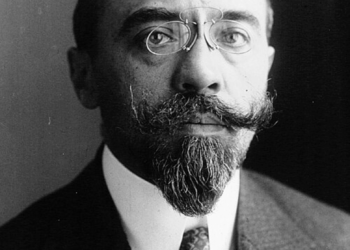

Louis Finot (1864–1935) was a pioneering French archaeologist, epigraphist, and orientalist recognized for his extensive and foundational work in the study of Southeast Asian civilizations—particularly those of Cambodia, Vietnam, and Champa. His research profoundly influenced the understanding of Khmer history, epigraphy, language, and architecture, while his legacy endures in the institutions and intellectual frameworks he helped establish and guide.
Early Life and Academic Formation
Born in Bar-sur-Aube, France, Finot completed his bachelor’s degrees in law and letters before being admitted to the prestigious École Nationale des Chartes in 1886, where he graduated as a paleographer in 1888. His formative years saw him engaged as a trainee, then assistant librarian at the French National Library. During this period, he began studying Sanskrit, a pursuit that would later prove invaluable for his future research in South and Southeast Asia.
Directorship and Institutional Legacy
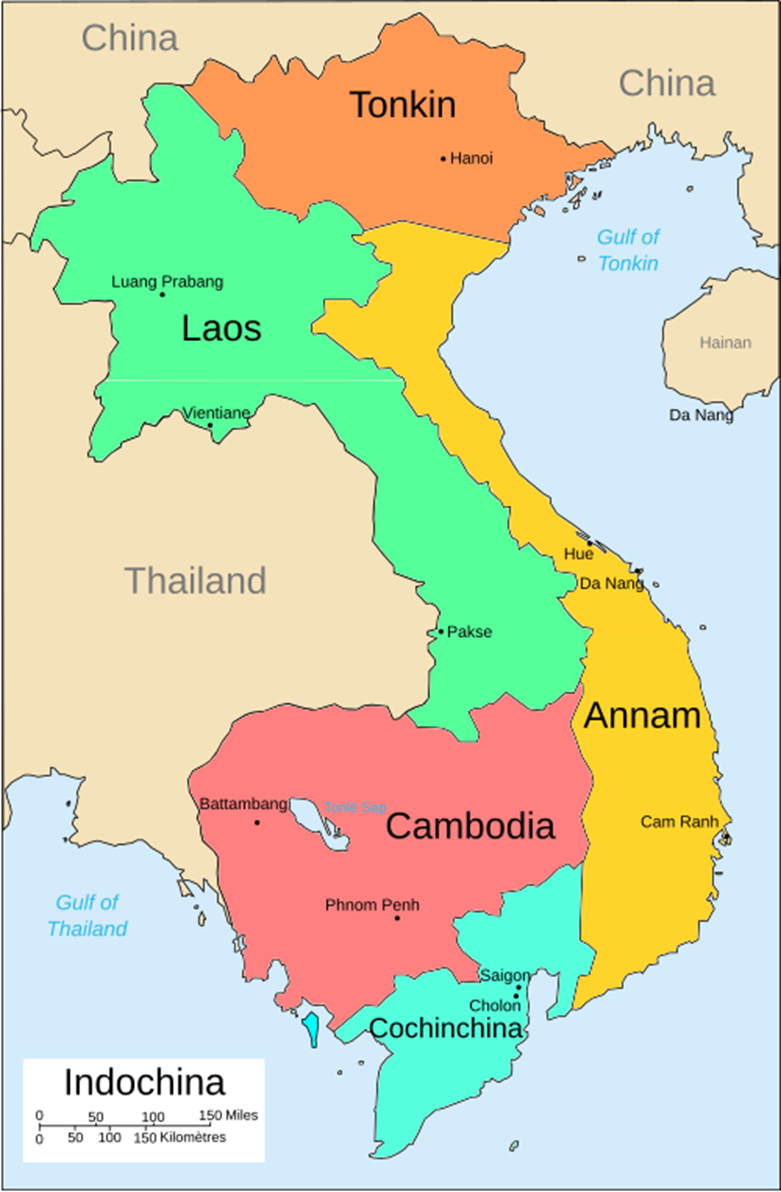
In 1898, Finot was appointed as director of the French Archaeological Mission in Indochina—a post that would evolve into the directorship of the newly created École française d’Extrême-Orient (EFEO) in 1900, one of the foremost research institutions dedicated to Asian civilizations. Under his leadership, the EFEO became a center for multidisciplinary scholarship, melding archaeology, linguistics, anthropology, history, and the study of art and religion.
Finot’s vision for the EFEO propelled systematic fieldwork, documentation, and epigraphic studies across French Indochina, focusing particularly on the Khmer and Cham civilizations. His leadership attracted scholars such as George Cœdès, Victor Goloubew, and Henri Parmentier, building a generation of researchers who would become leading figures in Asian studies.
Scholarly Contributions
Archaeology and Epigraphy
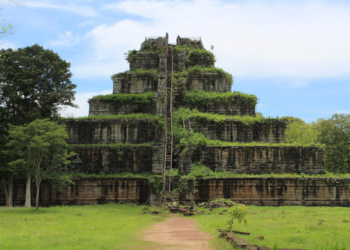
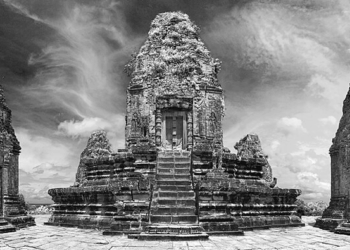
Finot transformed the study of Khmer and Cham inscriptions, unlocking key aspects of ancient Southeast Asian history through the decipherment and interpretation of Sanskrit and vernacular texts found on monuments and stelae. He is especially noted for his philological rigor in establishing critical editions, transcriptions, and translations of inscriptions from sites such as Angkor, Mi Son, and Banteay Srei.
Key publications in these fields include:
– Notes d’épigraphie indochinoise (1916), a compendium of inscriptions from across Indochina.
– Le temple d’Içvarapura (Banteay Srei, Cambodge) (1926, with Goloubew and Parmentier), providing detailed documentation of one of Cambodia’s iconic temples.
– Le temple d’Angkor Vat (1929–32, with Goloubew and Cœdès), a monumental study on Cambodia’s most famous archaeological site.
His work often served as the first systematic approach to these inscriptions and monuments, laying the groundwork for later archaeological and historical synthesis.
Linguistics and Philology
Finot’s expertise extended into the phonetics, philology, and language documentation of Southeast Asian languages, notably Khmer and Cham. His methodologies for transcribing Khmer and his comparative linguistic research remain respected for their accuracy and breadth.
He also published studies on the ancient literature and religions of the region, such as translations and analyses of texts like the Milinda Pañha—a Buddhist philosophical dialogue—and La religion des Chams d’après des monuments (1901), illuminating the syncretic religious traditions of ancient Champa.
Notable Publications
A selection of his influential works includes:
– Les lapidaires indiens (1896) – study of Indian lapidary texts.
– Les inscriptions de Mi Son (1904) – key reference for Cham studies.
– Inscriptions d’Angkor (1925) – first major corpus of Angkorian epigraphy.
– Numerous articles in the Bulletin de l’École française d’Extrême-Orient (BEFEO), advancing the study of Indochinese archaeology, history, and ethnography.
Impact and Legacy
Finot’s impact extended beyond scholarship to institutional development and cultural preservation. He:
– Set standards for archaeological fieldwork, documentation, and conservation in Cambodia, Laos, and Vietnam during the colonial era.
– Facilitated collaboration between French and local scholars, setting templates for cross-cultural academic exchange.
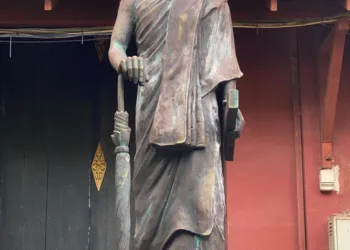
– Inspired the creation of the Musée Louis Finot in Hanoi—now the National Museum of Vietnamese History—whose collection he helped assemble.
His peers and successors, including George Cœdès, often credited him with shaping the methods and priorities of early Southeast Asian studies. The institutional frameworks and research standards Finot initiated at the EFEO have continued to influence scholarship in the region to this day.
Academic Honors
Finot’s scholarly distinction was recognized by his election as a member of the Académie des Inscriptions et Belles-Lettres in 1933, a testament to the value of his contributions to epigraphy, linguistics, and Asian studies.
Challenges and Context
Finot operated within a complex colonial context—his research frequently intersected with the ambitions and administrative objectives of French Indochina, which both facilitated and shaped the direction of archaeological work. While his dedication to systematic documentation and preservation was genuine, his work was also aligned with the ways in which France sought to legitimize and sustain its colonial presence through cultural research and display. Thus, while his scholarship advanced knowledge and preservation, it must also be evaluated within the broader political framework of colonialism.
Louis Finot’s career represents both the intellectual rigor and the ambiguities of early 20th-century Orientalist scholarship. His foundational work in the archaeology, philology, and epigraphy of Southeast Asia provided the first scientific frameworks for Cambodian and Cham studies, which remain influential. Through his directorship of the EFEO and his prolific scholarly output, Finot established methodologies and institutional practices that endure in Southeast Asian studies today.
His meticulous research, collaborative spirit, and commitment to interdisciplinary study made him one of the seminal figures in the exploration and understanding of the ancient cultures of the Mekong region.