“Crispy Morning Glory Salad with Grilled Beef in Phnom Penh” sets the tone for this week, where everyday Cambodian life is seen through food, gardens, and temples. From a city restaurant plate to a papaya tree in bloom and a quiet Angkor reservoir, these images trace how taste, memory, and landscape intertwine across the Kingdom. Together they invite us to slow down and notice the details: the crispness of a herb, the curve of a serpent, the steam rising from a simple village soup.
At Kraya Angkor Restaurant in Phnom Penh, “Crispy Morning Glory Salad with Grilled Beef in Phnom Penh” captures a modern Cambodian table that still leans on familiar flavors. Tempura‑light morning glory cradles slices of smoky grilled beef, bringing together street‑side greens and city‑style presentation in one elegant plate. It is the kind of dish you eat quickly while it is still crisp, yet remember slowly, long after the last bite.
“Papaya Female Bloom Setting Fruit” zooms in on a moment most diners never see: the quiet beginning of a future breakfast or dessert. The plump, close‑to‑the‑trunk blooms signal that this tree will carry fruit, a small victory for home gardeners across Cambodia who rely on papaya for salads, soups, and sweet snacks. It is a reminder that in the tropics, abundance often starts with something small and almost hidden.
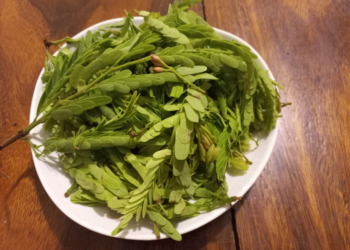
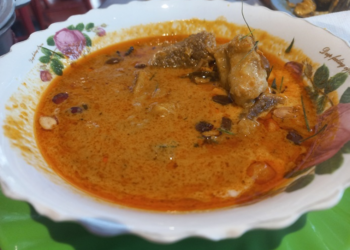
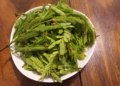
With “Cambodian Ivy Gourd Leaf Soup at Home”, the week moves into the kitchen, where ivy gourd leaves simmer in a clear broth. This kind of soup, light yet nourishing, is part of a broader Cambodian habit of turning humble leaves and garden herbs into daily comfort food around a shared pot of rice. It speaks of family tables rather than restaurant menus, and of recipes that are rarely written down but often repeated.
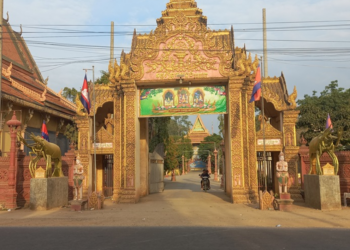
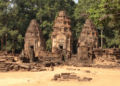
“Neak Poan’s Entwined Serpents – A Quiet Sanctuary in Angkor” pulls us away from kitchens and into stone and water. The carved serpents coiling around Neak Poan’s platform seem to hold both the sacred pool and the passing centuries in their embrace, their bodies softened by time yet still watchful. In this image, Angkor is less about grand monuments and more about a small, contemplative corner where visitors lower their voices without being told.
Back at the table, “Nom Banhchok Kampot, A Refreshing Cambodian Noodle Classic” celebrates Cambodia’s beloved rice noodles, this time in the coastal province of Kampot. A tangle of fresh herbs, crunchy vegetables, and light curry or fish‑based gravy over cool noodles evokes morning markets, metal bowls, and plastic stools shaded from the sun. It is a dish that feels both everyday and festive, shared by office workers, farmers, and students alike.
“The Dreamers by Chov Theanly in Phnom Penh” shifts our gaze to contemporary Cambodian art. Theanly’s figures, poised between introspection and possibility, echo the quiet aspirations of a young, urban Cambodia still processing its past while reaching for something new. Seen in Phnom Penh, the painting becomes part of the city’s visual conversation, alongside pagodas, coffee shops, and glass towers.
With “Nom Sleuk Chak, Kampot’s Sticky Rice Sesame Delight”, the week closes on a sweet note from Kampot. Sticky rice infused with sesame and wrapped or pressed into simple forms shows how Cambodian sweets are often built on grains and seeds rather than cream and sugar. It is the kind of snack that slips easily into a market basket or a child’s hand on the walk home from school.
Taken together, these images sketch a Cambodia that is at once grounded and gently dreaming: papaya trees setting fruit, herbs turned into soups and salads, temple serpents curling around still water, and artists giving shape to quiet hopes. From Phnom Penh dining rooms to Kampot street corners and the reflective pools of Angkor, the week’s pictures show how taste, memory, and landscape support one another like threads in a woven mat. They whisper that the Kingdom’s wonders are not only in famous monuments, but also in the everyday details that locals pass by and visitors come to cherish.