
Introduction
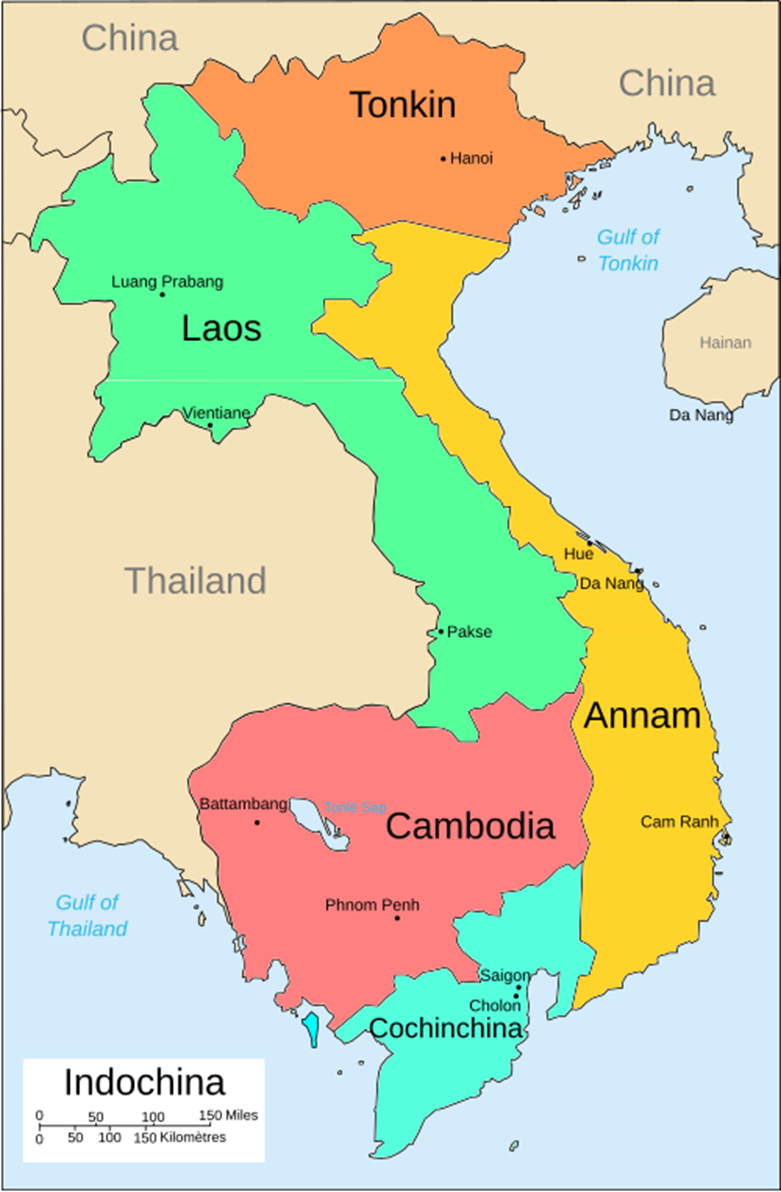
The Emerald Triangle—where Thailand, Cambodia, and Laos converge—is an emerging focal point for geopolitical interest, sustainable tourism, and economic integration in mainland Southeast Asia. Known for its lush landscapes and rich biodiversity, the region exudes both opportunity and complexity, shaped by its turbulent history and ongoing challenges in international relations. Whether for scholars, political analysts, investors, or adventure travelers, the Emerald Triangle is an area of growing significance.
Geographic Significance and Border Context
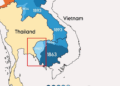
Strategically located at the Chong Bok mountain pass on the Dangrek Range, the Emerald Triangle is a tri-border region enveloping seven provinces: Preah Vihear, Oddar Meanchey, and Stung Treng in Cambodia; Champasak and Salavan in Laos; and Ubon Ratchathani and Sisaket in Thailand. The region boasts verdant rainforests, mountainous terrain, and culturally significant heritage sites, making it both a potential destination for eco-tourism and a sensitive area in terms of border security.
This intersection—often referred to as “Mom Bei” by locals—exists at roughly 330 meters elevation and serves as a symbolic link and occasional flashpoint between the three nations. Its geography, marked by dense forests and isolated rural communities, has historically made state oversight and border demarcation challenging.
Historical Background: From Conflict to Cooperation
During the Cold War and specifically the Third Indochina War (1985-1987), the Emerald Triangle experienced significant military activity, with Vietnamese forces entering the area to eliminate remnant Khmer Rouge fighters. These incursions highlighted ambiguities in border definitions and underscored the difficulties of effective governance in peripheral regions.
Following years of conflict, the 1990s saw initiatives toward peacemaking. The construction of a friendship pavilion at the tri-junction in 1993 was a milestone, representing a new era of trilateral engagement and diplomatic normalization.
Regional Cooperation and Economic Opportunities
In 2000, the Emerald Triangle was officially branded as part of a trilateral strategy to unlock shared economic and tourism potential. The Emerald Triangle Cooperation Project lays the groundwork for developing sustainable tourism, streamlining border procedures, and fostering cross-border trade.
Key goals include:
- Modernizing checkpoints for efficient customs and immigration (“one-stop service”)
- Upgrading infrastructure for connectivity and hospitality
- Joint tourism promotion and resource sharing
Ongoing challenges—such as jurisdiction disputes, security incidents, and logistical constraints—have restrained full realization of these ambitions. For instance, efforts to establish a cross-border golf course, touted as a symbol of cooperation, have faced postponements.
Economic Integration & Cross-border Trade
As a node within the Greater Mekong Subregion (GMS) and the East-West Economic Corridor, the Emerald Triangle demonstrates increasing cross-border economic activity. Trade flows through Ubon Ratchathani alone surpassed $350 million in 2011, with agricultural products, timber, and manufactured goods fueling growth.
Despite progress, the region faces periodic setbacks due to intermittent border closures linked to diplomatic tensions. Nevertheless, market integration and infrastructure improvements continue, propelled by regional frameworks and international investment.
Tourism, Heritage & Environmental Richness
Home to UNESCO World Heritage Sites such as Wat Phou in Laos and an array of pre-Khmer and Khmer temples, the Emerald Triangle offers unique opportunities for cultural tourism and eco-travel. However, underdeveloped infrastructure, complex border restrictions, and sporadic security advisories deter large-scale tourism development.
For those seeking authentic experiences—trekking, exploring ancient ruins, or visiting conservation areas—the Emerald Triangle promises adventure off the mainstream trail.
Contemporary Security Concerns
Recent border skirmishes, including violent incidents in May and July 2025, attest to the ongoing volatility in the region. Unresolved disputes over sovereignty and ambiguous mapping contribute to tensions that threaten developmental progress and sustained trilateral cooperation.
Conclusion
The Emerald Triangle of Southeast Asia exemplifies the tensions and potential rewards of transboundary collaboration. As Thailand, Cambodia, and Laos navigate the balancing act of sovereignty, security, and economic opportunity, the path forward will require patient diplomacy, continued investment, and an unwavering commitment to peace and regional integration.