

Tuol Tumpong (Kh: ទួលទំពូង) is one of Phnom Penh’s most dynamic inner-city quarters, known for its bustling Russian Market, dense patchwork of shophouses and condos, and a lifestyle that blends traditional Cambodian street life with a fast-growing café and expat scene. Located in the southern part of the capital, it has evolved from a quiet, low-rise neighborhood into a lively hub of commerce, food, and nightlife that still feels more local and intimate than the riverside or BKK areas.

Tuol Tumpong (often spelled Toul Tompoung) lies in the south of central Phnom Penh, historically within Khan Chamkar Mon before administrative reforms shifted parts of the area into the newer Khan Boeng Keng Kang. The quarter forms the dense urban fabric around the famous Russian Market, spreading out in a grid of narrow streets lined with shophouses, small apartment blocks, and an increasing number of mid‑rise condo developments.
The neighborhood’s position just south of the traditional city core gives it a dual personality: close enough to major boulevards and embassies for easy access, yet slightly removed from the most touristy zones. This makes Tuol Tumpong attractive to long‑stay visitors, young professionals, and small business owners looking for lower rents and a more down‑to‑earth atmosphere than the riverside or central business district.
At the center of the quarter stands Tuol Tumpong Market, universally known as the Russian Market, a labyrinthine covered market that spills across several city blocks. The nickname dates back to the 1980s, when the area became popular with Russian and Eastern Bloc expatriates stationed in Cambodia, who came here to buy everyday goods, fabrics, and imported items.
Today the market’s interior is packed with stalls selling everything from bargain clothing and factory overruns to housewares, handicrafts, and Buddhist imagery, while the outer fringes are dominated by fresh produce, motorbike repair shops, and hole‑in‑the‑wall eateries. For many visitors, it is both a shopping destination and a sensory experience, with narrow aisles, low roofs, and the constant hum of bargaining, chopping, frying, and the metallic clatter of tools.
Beyond the market itself, Tuol Tumpong remains a residential quarter where Khmer families live door‑to‑door with migrants from the provinces and an increasingly international mix of residents. Early mornings see monks collecting alms along the side streets, while vendors push carts selling iced coffee, noodle soup, and freshly cut fruit to office workers and market traders.
In the late afternoon and evening, pavements fill with plastic tables and chairs as informal barbecue spots and beer stalls appear, serving skewers, grilled seafood, and Cambodian comfort dishes to both locals and foreigners. Small pagodas and neighborhood shrines tucked between houses testify to the area’s spiritual life, and traditional ceremonies still spill into the streets during Pchum Ben, Khmer New Year, and family celebrations.
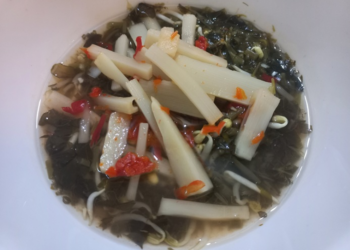
Tuol Tumpong has become one of Phnom Penh’s most diverse food neighborhoods, offering everything from cheap street noodles to stylish brunch cafés. Around the market, clusters of family‑run stalls serve num banh chok, kuy teav, rice porridge, and fried rice dishes from early morning, while lunch brings packed rice shops where office staff eat quick, affordable meals.
Over the last decade, renovated shophouses have hosted a wave of cafés, bakeries, craft‑beer bars, and small international restaurants, many operated by young Cambodians or long‑term foreign residents. Rooftop and second‑floor bars hide above unassuming street fronts, giving the quarter a discreet nightlife scene that contrasts with the louder clubs and big‑box venues found elsewhere in the city.
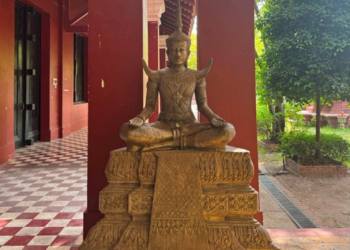
The Russian Market area is known as a place to find inexpensive clothing and accessories, including factory overruns and seconds from Cambodia’s garment industry destined for global brands. Alongside these stalls, visitors encounter tailors, fabric shops, and small-scale artisans offering wood carving, lacquerware, silver items, and Buddha images aimed at both local devotees and tourists.
In the 1990s and early 2000s, Tuol Tumpong was also a node in Phnom Penh’s trade in antiques and “colonial style” décor, with some shops supplying hotels and collectors. While tighter regulations and greater awareness of heritage protection have reduced the open trade in old statuary and artifacts, the area still attracts designers, decorators, and small brands looking for affordable production, screen printing, and packaging services in the surrounding streets.
Housing in Tuol Tumpong ranges from classic three‑ or four‑story Khmer shophouses to narrow apartment buildings and newer condominium blocks. Many traditional homes combine a shop or eatery on the ground floor with family living spaces above, making commerce and domestic life closely intertwined at street level.
In recent years, the quarter has drawn a mix of Cambodian middle‑class families, NGO workers, teachers, freelancers, and small entrepreneurs, attracted by relatively moderate rents compared with more central or riverside areas. Shared apartments and serviced studios are now common, creating micro‑communities of young residents who frequent the same cafés, gyms, and co‑working spaces within walking distance.
Urban change and development pressures
Like much of Phnom Penh, Tuol Tumpong is undergoing rapid transformation, with rising land values encouraging the replacement of older buildings by taller, denser developments. Where single shophouses or small wooden dwellings once stood, multi‑story condos and commercial blocks are appearing, altering the skyline and increasing traffic and population density.
This development brings better infrastructure, more services, and economic opportunities, but it also raises concerns about displacement of long‑term residents and the loss of the quarter’s low‑rise, community‑oriented character. The challenge for Tuol Tumpong is to absorb growth and investment while preserving the informal networks, street‑level businesses, and lived heritage that make the neighborhood distinctive.
Visiting and experiencing the quarter
For visitors, Tuol Tumpong offers a more grounded urban experience than Phnom Penh’s postcard landmarks, rewarding those who explore on foot or by bicycle. A typical visit might combine a morning at the Russian Market, a stroll through side streets to spot street art and everyday alleyway life, and a lazy afternoon in one of the district’s many cafés.
Staying in or near the quarter allows slow immersion: getting to know the rhythms of the market, the sounds of vendors at dawn, and the subtle shifts between daytime commerce and evening socializing. For content creators and researchers, Tuol Tumpong encapsulates key themes of contemporary Phnom Penh—urbanization, informal economies, cultural blending, and the tension between memory and modernity—within just a few square blocks.








Comments 1