

The Cham language stands as a testament to the enduring spirit of a people whose history stretches back to the ancient kingdom of Champa in central and southern Vietnam. For centuries, it has served as the voice of the Cham people, providing a link to their storied past and unbroken traditions.

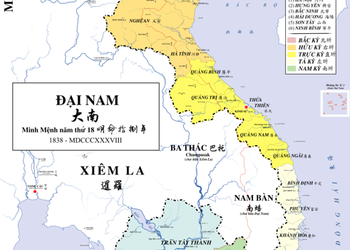
Cham was once the language of an influential maritime and trading civilization that flourished from the second to the seventeenth century. The Champa kingdom benefitted from Indian influences, shaping its religious, artistic, and linguistic landscape. Over time, external pressures pushed the Cham further afield, especially into regions that are now part of Cambodia, resulting in the diaspora that expanded the language’s reach.
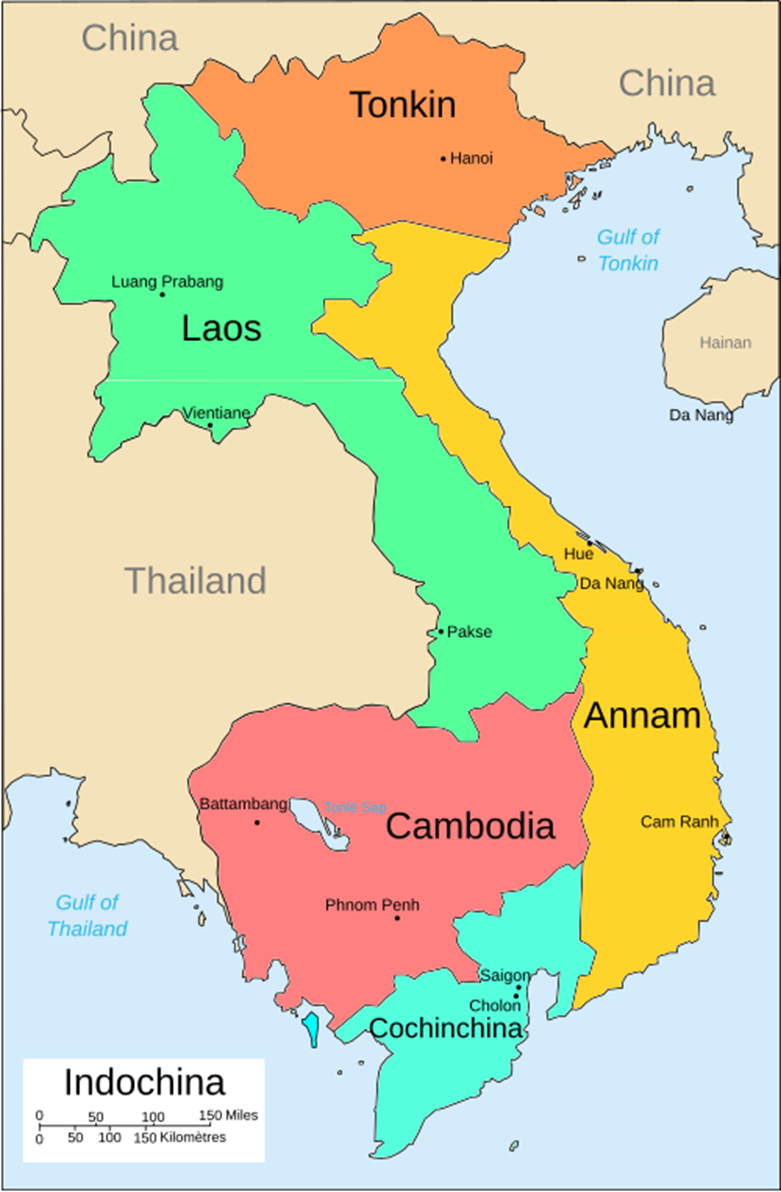
Today, Cham exists in two principal varieties: Eastern Cham, found mainly in coastal southern Vietnam, and Western Cham, spoken in Cambodia and adjacent areas of Vietnam. Eastern Cham preserves many features of the ancient language, with communities in Ninh Thuận and Bình Thuận provinces actively maintaining linguistic traditions. Western Cham, meanwhile, is closely associated with the Muslim community in Cambodia. Both varieties share a deep bond, yet exhibit distinct linguistic and cultural nuances.
Cham is classified within the Chamic branch of the Austronesian language family, which includes Tsat (present on the Chinese island of Hainan) and other related languages spread throughout Southeast Asia. This branch showcases the linguistic dynamism and adaptability that have enabled Cham to absorb influences over centuries.
An outstanding feature of Cham culture is the development of unique writing systems. The original Cham script, inspired by Sanskrit and Indian scripts, graced ancient stone inscriptions and manuscripts. Today, Eastern Cham retains its Indic-based script, while Western Cham favors the Jawi script, derived from Arabic, particularly in the context of religious instruction. Literacy in Cham scripts is actively fostered by community organizations, aware of the existential threat posed by language shift.
Phonetically, Cham comprises a rich inventory of consonants and vowels, and like other regional languages, uses numeral classifiers to describe quantity and object characteristics. The grammatical structure is straightforward, with personal pronouns functioning much like regular nouns, and comparative forms typically constructed using simple locatives. Even in everyday conversation, kinship terms often replace traditional pronouns, reflecting the deep communal values of Cham-speaking society.
The language also preserves a wealth of cultural and religious history. Early Cham society integrated Hindu and Buddhist concepts, evidenced by a substantial layer of Sanskrit loanwords. Later, as Islam became prominent especially among the Western Cham, Arabic vocabulary made its way into the language, further enriching its lexicon.
Despite its proud legacy, Cham faces an uncertain future. The pressures of assimilation into dominant cultures—Vietnamese in Vietnam and Khmer in Cambodia—have led to declining numbers of native speakers in younger generations. Western Cham script, in particular, risks falling into obscurity as teaching methods once relied mainly on religious elders.
Yet hope persists. Revitalization efforts abound, from grassroots educational programs to digital preservation projects. In Cambodia, religious groups such as the Kan Imam San sect promote the teaching of Cham language and script among youth, while linguistic researchers document and analyze Cham’s unique features to ensure its survival. Across both countries, increasing awareness of the language’s endangered status has triggered renewed interest.
Cham still plays a vital role in everyday life and spiritual practices of its speakers. Whether in community gatherings, storytelling, or ritual ceremonies, the language is a vessel for identity and continuity. It provides a bridge to ancient customs, helps foster connections among dispersed Cham communities, and offers priceless insights into the cultural mosaic of Southeast Asia.
The legacy of Cham language is one of resilience and adaptation, mirroring the journey of its people across the tides of history. As efforts to support and revitalize Cham continue, its future promises to remain intertwined with the unfolding story of Southeast Asia—a region shaped by diversity, change, and the persistence of heritage.









Comments 1