Wonders of Cambodia
  • Home
  • Culture
  • Cuisine
  • Tourism
  • Business
  • Life in Cambodia
  • 中文
  • ខ្មែរ
  • Français
  • Tiếng Việt
  • e-Books
No Result
View All Result
  • Home
  • Culture
  • Cuisine
  • Tourism
  • Business
  • Life in Cambodia
  • 中文
  • ខ្មែរ
  • Français
  • Tiếng Việt
  • e-Books
No Result
View All Result
Wonders of Cambodia
No Result
View All Result
Home Culture

The Ancient Port City of Oc Eo: A Glimpse into the Funan Kingdom

Pascal Medeville by Pascal Medeville
July 13, 2025
in Culture, History, Tourism
Reading Time: 3 mins read
1
Statue of Vishnu found in Oc Eo (Photo: Gary Todd from Xinzheng, China, CC0)

Oc Eo (khmer: O Kaev អូរកែវ) is an ancient archaeological site located in the Mekong Delta region of southern Vietnam, in the South of present-day An Giang Province. Believed to have been a major port city of the Funan Kingdom (1st–7th centuries CE), Oc Eo played a crucial role in maritime trade networks linking Southeast Asia with India, China, and the Roman Empire. Discovered in the early 20th century, the site has provided invaluable insights into early Southeast Asian commerce, culture, and urbanization.

Historical Significance
Oc Eo flourished between the 1st and 6th centuries CE as part of the Funan Kingdom, one of Southeast Asia’s earliest recorded civilizations. Funan was heavily influenced by Indian culture, as seen in its adoption of Hinduism, Buddhism, and Sanskrit inscriptions. Chinese historical texts, such as those by the diplomat Kang Tai (3rd century CE), describe Funan as a prosperous maritime power with extensive trade connections.
Oc Eo served as a vital hub in the trans-Asian trade network, connecting the Mekong Delta with distant regions. Excavations have revealed artifacts from Rome (goldenmedallions with Antonine emperors), Persia, India, and China, indicating its role in the ancient maritime Silk Road. The city’s strategic location along riverine and coastal routes made it a melting pot of cultures and goods.

Archaeological Discoveries
French archaeologist Louis Malleret first excavated Oc Eo in the 1940s, uncovering a sophisticated urban center with canals, temples, and workshops. Key findings include:
– Infrastructure: The city had an advanced hydraulic system of canals and reservoirs, suggesting a well-planned settlement adapted to the delta’s waterlogged terrain;
– Religious Artifacts: Statues of Hindu deities (Vishnu, Shiva) and Buddhist relics highlight the syncretic religious landscape;
– Trade Goods: Roman coins, Indian jewelry, Chinese ceramics, and Persian glassware attest to far-reaching trade links;
– Craft Production: Evidence of metalworking, pottery, and jewelry-making indicates local industry alongside trade.

Cultural and Economic Life
Oc Eo’s economy thrived on agriculture (rice cultivation), handicrafts, and international trade. The city’s cosmopolitan nature is reflected in its diverse material culture, blending indigenous traditions with Indian and Chinese influences.
The presence of Sanskrit inscriptions and Vedic-Buddhist iconography suggests that Indian merchants and priests played a key role in shaping Funan’s elite culture. However, local traditions, such as animist beliefs and indigenous art styles, persisted alongside foreign influences.

Decline and Legacy
By the 7th century, Oc Eo declined, possibly due to shifting trade routes, siltation of waterways, or the rise of rival polities like Chenla (a precursor to the Khmer Empire). Despite its abandonment, Oc Eo’s legacy endured in later Mekong Delta cultures.
Today, Oc Eo is part of Vietnam’s cultural heritage, with ongoing excavations shedding light on early Southeast Asian urbanization. The site is also linked to the broader Oc Eo culture, encompassing similar settlements across the delta. In 2022, Oc Eo was recognized as a UNESCO World Heritage candidate, underscoring its global significance (see a description of Oc Eo on UNESCO’s webpage).

Oc Eo stands as a testament to Southeast Asia’s early integration into global trade networks. Its ruins reveal a dynamic city where local and foreign cultures merged, laying foundations for later civilizations like the Khmer Empire. As research continues, Oc Eo promises further revelations about the vibrant history of ancient Southeast Asia.

Don’t miss our upcoming articles!

We don’t spam!

Check your INBOX or SPAM folder to confirm your subscription.

Tags: Funanhistory of CambodiaKang TaiKhmer historyOc Eoអូរកែវ
ShareTweet
Previous Post

Kuy Teav: Cambodia’s Beloved Noodle Soup

Next Post

Suryavarman II: The Builder of Angkor Wat

Pascal Medeville

Pascal Medeville

Author of the blog Wonders of Cambodia, I share my passion for Cambodia through stories, cultural insights, and personal reflections on the country. I'm also the founder of Simili Consulting, where we provide high-quality, professional translation services to international clients.

Related Posts

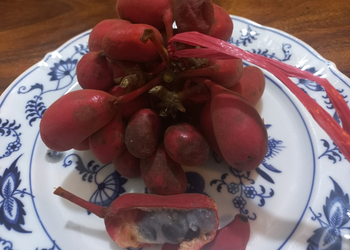
Picture of the day: Uvaria rufa, A Wild Sour Fruit of Cambodia
Flora

Picture of the day: Uvaria rufa, A Wild Sour Fruit of Cambodia

September 9, 2026
Siem Reap Adds New Cultural Experiences for Visitors
Tourism

Siem Reap Adds New Cultural Experiences for Visitors

September 7, 2026
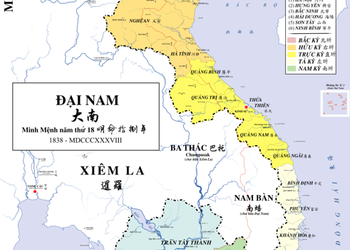
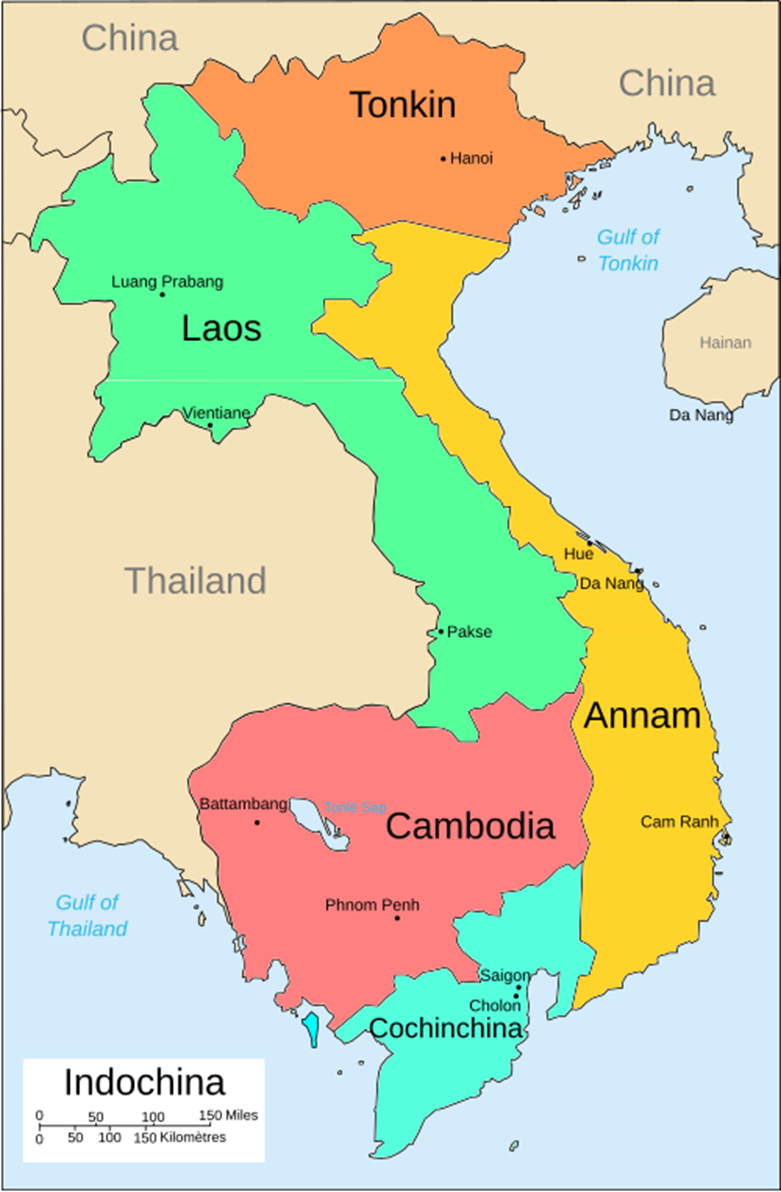
1838 map of Đại Nam showing Trấn Tây Thành in pale green, Phnom Penh as Nam Vang, and historical administrative divisions
History

Picture of the day: 1838 Map of Đại Nam and Trấn Tây Thành

September 7, 2026
Cambodia’s Becoming Human Enters the Oscar Race
Cinema

Cambodia’s Becoming Human Enters the Oscar Race

September 4, 2026
Picture of the day: Hibiscus in Bloom in Phnom Penh
Flora

Picture of the day: Hibiscus in Bloom in Phnom Penh

September 3, 2026
Artwork from Julia Briggs’s Remanence (2022), showing ink melting onto paper on a stone slab in a snowy Finnish forest.
Art

Australian Artist Julia Higgs Explores Kep Through Art

September 1, 2026
Next Post
Suryavarman II: The Builder of Angkor Wat

Suryavarman II: The Builder of Angkor Wat

Comments 1

  1. Pingback: Last publications on Wonders of Cambodia (June 5~June 15) - Wonders of Cambodia
  • Trending
  • Comments
  • Latest
The French Protectorate of Cambodia (1863–1953): An Overview

The French Protectorate of Cambodia (1863–1953): An Overview

July 13, 2025
The Franco-Siamese Treaty of 23 March 1907: Borders, Politics, and the Return of Angkor

The Franco-Siamese Treaty of 23 March 1907: Borders, Politics, and the Return of Angkor

February 11, 2026
Cambodian-Vietnamese War (1978-1989)

Cambodian-Vietnamese War (1978-1989)

July 13, 2025
The Legend of Preah Ko Preah Keo: Guardians of Cambodia’s Lost Treasures

The Legend of Preah Ko Preah Keo: Guardians of Cambodia’s Lost Treasures

February 23, 2026
Kampot Province

Takeo Province: A Cradle of Cambodian History and Culture

3
Kratié Town on the Mekong: Colonial Echoes, River Life, and Irrawaddy Dolphins

Kratié Town on the Mekong: Colonial Echoes, River Life, and Irrawaddy Dolphins

3
Banteay Meanchey Province: A Gateway to Cambodia’s Rich Heritage

Banteay Meanchey Province: A Gateway to Cambodia’s Rich Heritage

2
Stung Treng Province: The Gateway to Cambodia’s Northern Wilderness

Stung Treng Province: The Gateway to Cambodia’s Northern Wilderness

2
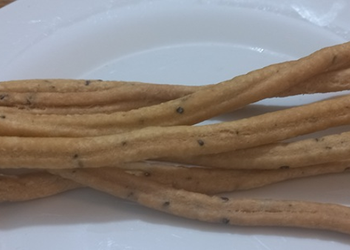
នំង្កឹះ Khmer chopstick bread arranged on a white plate

Picture of the day: Khmer Chopstick Bread, A Rustic Cambodian Treat

September 9, 2026
Siem Reap Adds New Cultural Experiences for Visitors

暹粒推出全新文化体验

September 9, 2026
Picture of the day: Uvaria rufa, A Wild Sour Fruit of Cambodia

Picture of the day: Uvaria rufa, A Wild Sour Fruit of Cambodia

September 9, 2026
Siem Reap Adds New Cultural Experiences for Visitors

Siem Reap enrichit son offre culturelle avec de nouvelles expériences

September 8, 2026

Recent News

នំង្កឹះ Khmer chopstick bread arranged on a white plate

Picture of the day: Khmer Chopstick Bread, A Rustic Cambodian Treat

September 9, 2026
Siem Reap Adds New Cultural Experiences for Visitors

暹粒推出全新文化体验

September 9, 2026
Picture of the day: Uvaria rufa, A Wild Sour Fruit of Cambodia

Picture of the day: Uvaria rufa, A Wild Sour Fruit of Cambodia

September 9, 2026
Siem Reap Adds New Cultural Experiences for Visitors

Siem Reap enrichit son offre culturelle avec de nouvelles expériences

September 8, 2026
Wonders of Cambodia

Exploring Culture, Nature, and Spirit in the Land of Wonder.

Follow Us

Browse by Category

  • Architecture
  • Architecture
  • Art
  • Books
  • Business
  • Business
  • Cinema
  • Costume
  • Costume
  • Cuisine
  • Culture
  • Defense
  • Du lịch
  • e-Books
  • Education
  • Expat life
  • Fauna
  • Festival
  • Flora
  • Food providers
  • Français
  • Geography
  • Handicraft
  • Health
  • Histoire
  • History
  • Hotels
  • Khmer notes
  • Khmer Stories
  • Khmer stories
  • Knowledge
  • Language
  • Last posts
  • Latest posts
  • Lịch sử
  • Life in Cambodia
  • Literature
  • Meet the neigbhors
  • Music
  • Personnalités
  • Pictures
  • Politics
  • Population
  • Press review
  • Professional services
  • Proverbs
  • Reference
  • Reference
  • Religion
  • Restaurants
  • Temples
  • Textile
  • Tiếng Việt
  • Tourism
  • Tourisme
  • Transport
  • Transport
  • Uncategorized
  • Vidéo
  • Video
  • Vie quotidienne
  • Who's who
  • ខ្មែរ
  • ទេសចរណ៍៖
  • បគ្គលល្បី
  • ប្រវត្តិសាស្ត្រោ
  • សៀវភៅ
  • 中文
  • 书籍
  • 交通
  • 历史
  • 商业
  • 旅游
  • 生活

Recent News

នំង្កឹះ Khmer chopstick bread arranged on a white plate

Picture of the day: Khmer Chopstick Bread, A Rustic Cambodian Treat

September 9, 2026
Siem Reap Adds New Cultural Experiences for Visitors

暹粒推出全新文化体验

September 9, 2026
  • About Us
  • Advertise
  • Privacy & Policy
  • Contact Us

© 2025 - Made with 💫 by TechFlow.

No Result
View All Result
  • Home
  • Culture
  • Cuisine
  • Tourism
  • Business
  • Life in Cambodia
  • 中文
  • ខ្មែរ
  • Français
  • Tiếng Việt
  • e-Books

© 2025 - Made with 💫 by TechFlow.