Wonders of Cambodia
  • Home
  • Culture
  • Cuisine
  • Tourism
  • Business
  • Life in Cambodia
  • 中文
  • ខ្មែរ
  • Français
  • Tiếng Việt
  • e-Books
No Result
View All Result
  • Home
  • Culture
  • Cuisine
  • Tourism
  • Business
  • Life in Cambodia
  • 中文
  • ខ្មែរ
  • Français
  • Tiếng Việt
  • e-Books
No Result
View All Result
Wonders of Cambodia
No Result
View All Result
Home Culture Architecture

Ta Moan Thom Temple: A Remote Khmer Sanctuary on the Cambodian–Thai Border

Pascal Medeville by Pascal Medeville
February 11, 2026
in Architecture, Tourism
Reading Time: 5 mins read
0

Location and Setting

Ta Moan Thom Temple (Khmer: ប្រាសាទតាមាន់ធំ) is a remote Angkorian site located in the Oddar Meanchey province, in the border region between northern Cambodia and northeastern Thailand, in a mountainous area covered with forest and laterite tracks. It lies on the crest of the Dangrek Mountains, the same border range associated with several other contested and isolated Khmer temples. The temple area is part of a small cluster of monuments often described as the “Ta Moan temple group,” which includes Ta Moan, Ta Moan Toch, and Ta Moan Thom as the largest structure.

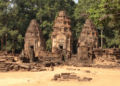
Ta Moan Thom Temple (Ddalbiez, CC)

The site’s position directly on, or immediately adjacent to, the international boundary has long given it strategic and symbolic importance. Because of this sensitive location, the surrounding area has seen phases of military presence, restricted access, and periods of closure linked to Cambodian-Thai border tensions. Travelers who manage to reach Ta Moan Thom experience a strongly atmospheric setting: dense vegetation, quiet surroundings, and the palpable sense of standing at a crossroads between two modern states while exploring a heritage that predates both by many centuries.

Historical Background

Ta Moan Thom is an Angkorian temple, most commonly dated to the late 10th–12th centuries, corresponding roughly to the period from the Baphuon style to the height of the Angkor empire. It is often associated with the architectural and political expansion of Angkor toward the west and northwest, when Khmer rulers consolidated their control over strategic passes in the Dangrek Mountains. Inscriptions and stylistic details suggest that the site was part of a network of sanctuaries along routes linking the Angkor heartland to regions that today lie within Thailand.

The temple was dedicated originally to Hindu worship, likely centered on Shiva, who was one of the principal deities of classical Khmer state religion. Over time, as in many Angkorian monuments, religious practices evolved, with evidence of later adjustments reflecting Buddhist devotion. The long-term history of Ta Moan Thom includes phases of use, abandonment, and reoccupation, mirroring political shifts in the region. In the contemporary era, the temple has also been tied to questions of national heritage, sovereignty, and border demarcation, giving it a layered identity: ancient sanctuary, archaeological site, and modern symbol.

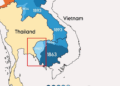
Position of Ta Moan Thom Temple on the border between Thailand and Cambodia (Google map)

Architecture and Layout

Ta Moan Thom is primarily built of laterite and sandstone, the principal construction materials of many Angkorian temples. The plan follows the typical Khmer sanctuary layout, with a central shrine and associated structures arranged along a roughly east–west axis. The main sanctuary tower once housed the principal linga or cult image, while surrounding galleries, libraries, and courtyards framed the sacred space. Although the temple is partially ruined, enough remains to convey the original composition and monumentality.

Visitors can observe decorative lintels and pediments carved with motifs from Hindu mythology, including depictions of deities, guardians, and floral patterns, though many details have been weathered or damaged. The architecture also reflects the strategic topography: the temple sits on elevated ground with views over the forested slopes, and stone steps and causeways adjust to the natural contours. The sense of enclosure created by laterite walls contrasts with openings that frame vistas toward the surrounding hills, reinforcing the idea of Ta Moan Thom as both sacred enclosure and frontier watchpoint.

Ta Moan Thom Temple (Ddalbiez, CC)

Religious and Cultural Significance

As a Hindu sanctuary, Ta Moan Thom once functioned as a ritual center where priests conducted ceremonies in honor of Shiva and other deities, integrating local cults into the imperial religious framework. The presence of a central sanctuary, libraries, and possibly associated hermitages suggests that the temple played a role in spiritual life for both the resident priestly community and travelers using the nearby mountain routes. Inscriptions and stylistic parallels indicate that such temples were often linked to royal patronage, expressing the king’s authority over distant regions through sacred architecture.

Over centuries, the temple’s religious function adapted as Theravada Buddhism eventually became dominant in mainland Southeast Asia. Local communities may have reinterpreted the site, integrating it into Buddhist practice or venerating it as a place of ancestral or guardian spirits. Today, Ta Moan Thom carries significance not only for Cambodians and Thais aware of their shared Khmer heritage, but also for heritage specialists and travelers interested in transboundary cultural landscapes. The temple encapsulates the complexity of cultural continuity and change along political frontiers.

Access, Border Context, and Travel Notes

Access to Ta Moan Thom is shaped by the sensitive border context, and conditions have varied over time. The temple can be approached from either the Cambodian or Thai side in different periods, depending on security arrangements and bilateral agreements. Road quality, military checkpoints, and required permissions can change, so visitors must seek the most current information before planning a trip. The site has, at times, been under the practical control or management of authorities from one side, even while sovereignty questions remained delicate.

For travelers, this means that Ta Moan Thom is not a casual, drop-in temple like those around Siem Reap, but rather an expedition-style destination. Visitors should be prepared for basic conditions, limited facilities, and a strong emphasis on respecting local regulations and security personnel. When open, the experience is rewarding: few tourists, a deep sense of remoteness, and the chance to see how ancient Khmer heritage physically straddles modern political boundaries. The temple’s atmosphere—quiet, slightly overgrown, yet unmistakably monumental—makes Ta Moan Thom a compelling stop for those interested in both Angkorian archaeology and the geopolitics of heritage.

Don’t miss our upcoming articles!

We don’t spam!

Check your INBOX or SPAM folder to confirm your subscription.

Tags: Angkorian temples in Oddar MeancheyCambodia Thailand border heritageKhmer border conflict templesKhmer sanctuary on Thai borderoff the beaten path temples CambodiaPrasat Ta Moan Thom historyPreah Vihear style temples Cambodiaremote Angkor templesTa Moan temple groupTa Moan Thom border templeTa Moan Thom CambodiaTa Moan Thom TempleTa Moan Thom travel guidevisiting Ta Moan Thom from Thailand
ShareTweet
Previous Post

Picture of the day: Naga at One of the Gates at Angkor Thom

Next Post

French Indochina: The Colonial Empire That Shaped Southeast Asia

Pascal Medeville

Pascal Medeville

Author of the blog Wonders of Cambodia, I share my passion for Cambodia through stories, cultural insights, and personal reflections on the country. I'm also the founder of Simili Consulting, where we provide high-quality, professional translation services to international clients.

Related Posts

Crispy Cambodian fried bread topped with pork and fish cake, served with cucumber, cabbage, herbs and dipping sauces on a leaf lined tray at Maedy restaurant in Siem Reap.
Restaurants

5 Favorite Khmer Restaurants in Siem Reap (2026 Guide)

July 17, 2026
Ancient sandstone lintel exhibited in Angkor Borei Museum, showing the Hindu god Vishnu reclining on a carved pedestal, with standing figures and intricate relief details around him.
Tourism

Discover Cambodia: CTB Welcomes 500 International Travel Agents in 2026

July 14, 2026
Stone entrance gate on the east side of Banteay Kdei temple, featuring a tall tower with a serene sculpted face, weathered sandstone and lichens, framed by dense green trees and blue sky, with a reddish dirt path leading through the gateway into the forested interior.
Architecture

Banteay Kdei Temple: A Quiet Angkorian Monastery Worth Your Time

July 9, 2026
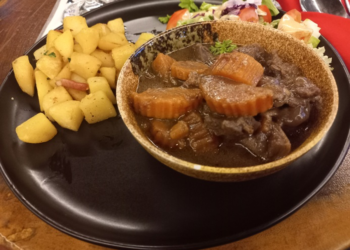
Close-up of boeuf-carottes with braised beef cheek and carrots, served in a rustic bowl alongside sautéed diced potatoes and fresh salad on a black plate at Graines de Piaf French bistrot in Siem Reap.
Cuisine

Picture of the day: Boeuf-Carottes Comfort in Siem Reap

July 14, 2026
Aerial view of Memoire Palace Resort & Spa in Siem Reap showing bright villa-style buildings, central swimming pool, garden lawn and open-air bar at sunset.
Hotels

Memoire Palace Resort & Spa, Siem Reap

July 3, 2026
Stone terrace and shaded trees on the western edge of Sras Srang, with the large Angkor reservoir stretching out under blue sky and scattered clouds at midday.
Architecture

Srah Srang, Angkor – The Royal Bathing Pool and Sunrise Jewel of Siem Reap

July 9, 2026
Next Post
French Indochina: The Colonial Empire That Shaped Southeast Asia

French Indochina: The Colonial Empire That Shaped Southeast Asia

  • Trending
  • Comments
  • Latest
The French Protectorate of Cambodia (1863–1953): An Overview

The French Protectorate of Cambodia (1863–1953): An Overview

July 13, 2025
The Franco-Siamese Treaty of 23 March 1907: Borders, Politics, and the Return of Angkor

The Franco-Siamese Treaty of 23 March 1907: Borders, Politics, and the Return of Angkor

February 11, 2026
Cambodian-Vietnamese War (1978-1989)

Cambodian-Vietnamese War (1978-1989)

July 13, 2025
The Legend of Preah Ko Preah Keo: Guardians of Cambodia’s Lost Treasures

The Legend of Preah Ko Preah Keo: Guardians of Cambodia’s Lost Treasures

February 23, 2026
Kampot Province

Takeo Province: A Cradle of Cambodian History and Culture

3
Kratié Town on the Mekong: Colonial Echoes, River Life, and Irrawaddy Dolphins

Kratié Town on the Mekong: Colonial Echoes, River Life, and Irrawaddy Dolphins

3
Banteay Meanchey Province: A Gateway to Cambodia’s Rich Heritage

Banteay Meanchey Province: A Gateway to Cambodia’s Rich Heritage

2
Stung Treng Province: The Gateway to Cambodia’s Northern Wilderness

Stung Treng Province: The Gateway to Cambodia’s Northern Wilderness

2
កាក់ស្ពាន់លាយ Kai Yuan Tong Bao (開元通寶) សម័យរាជវង្សថាង ដែលមានសភាពពុកផុយយ៉ាងខ្លាំង ត្រូវបានថតបង្ហាញក្នុងទម្រង់ពង្រីកធំ ជារូបភាពពីរទន្ទឹមគ្នាបង្ហាញទាំងផ្នែកមុខ និងផ្នែកក្រោយ ដោយកាក់មានរន្ធរាងការ៉េនៅកណ្តាល និងអក្សរចិនដែលនៅសេសសល់អាចអានបានខ្លះៗ ដើម្បីបង្ហាញជាគំរូនៃកាក់ដែលបានរកឃើញនៅអង្គរ។

ប្រវត្តិសាស្ត្រ៖ កាក់ចិនបង្ហាញរឿងរ៉ាវអាថ៌កំបាំងរបស់អង្គរ

July 21, 2026
View of Phnom Neang Kangrei mountains reflected across a tranquil lake in Kampong Chhnang, Cambodia, under an overcast morning sky.

Picture of the day: Phnom Neang Kangrei, Kampong Chhnang

July 21, 2026
Sandstone lintel at Prasat Neang Khmao in Takeo, Cambodia, showing a central mythic face flanked by naga bodies, floral scrolls, and tiny seated figures above, carved in 10th century Khmer Koh Ker style on a brick temple façade.

Wonders of Cambodia – Pictures of the Week: Flavors, Heritage and Everyday Beauty (July 13th~July 19th, 2026)

July 20, 2026
出土于吴哥遗址的唐代开元通宝铜钱样本,展示正反两面。钱币为圆形方孔铜钱,表面磨损和锈蚀较为明显,部分铭文仍可辨认,为研究唐代中国与吴哥王朝之间的贸易和文化交流提供了重要考古证据。

吴哥出土的中国古钱币,揭开了一个鲜为人知的历史真相

July 20, 2026

Recent News

កាក់ស្ពាន់លាយ Kai Yuan Tong Bao (開元通寶) សម័យរាជវង្សថាង ដែលមានសភាពពុកផុយយ៉ាងខ្លាំង ត្រូវបានថតបង្ហាញក្នុងទម្រង់ពង្រីកធំ ជារូបភាពពីរទន្ទឹមគ្នាបង្ហាញទាំងផ្នែកមុខ និងផ្នែកក្រោយ ដោយកាក់មានរន្ធរាងការ៉េនៅកណ្តាល និងអក្សរចិនដែលនៅសេសសល់អាចអានបានខ្លះៗ ដើម្បីបង្ហាញជាគំរូនៃកាក់ដែលបានរកឃើញនៅអង្គរ។

ប្រវត្តិសាស្ត្រ៖ កាក់ចិនបង្ហាញរឿងរ៉ាវអាថ៌កំបាំងរបស់អង្គរ

July 21, 2026
View of Phnom Neang Kangrei mountains reflected across a tranquil lake in Kampong Chhnang, Cambodia, under an overcast morning sky.

Picture of the day: Phnom Neang Kangrei, Kampong Chhnang

July 21, 2026
Sandstone lintel at Prasat Neang Khmao in Takeo, Cambodia, showing a central mythic face flanked by naga bodies, floral scrolls, and tiny seated figures above, carved in 10th century Khmer Koh Ker style on a brick temple façade.

Wonders of Cambodia – Pictures of the Week: Flavors, Heritage and Everyday Beauty (July 13th~July 19th, 2026)

July 20, 2026
出土于吴哥遗址的唐代开元通宝铜钱样本,展示正反两面。钱币为圆形方孔铜钱,表面磨损和锈蚀较为明显,部分铭文仍可辨认,为研究唐代中国与吴哥王朝之间的贸易和文化交流提供了重要考古证据。

吴哥出土的中国古钱币,揭开了一个鲜为人知的历史真相

July 20, 2026
Wonders of Cambodia

Exploring Culture, Nature, and Spirit in the Land of Wonder.

Follow Us

Browse by Category

  • Architecture
  • Architecture
  • Art
  • Books
  • Business
  • Business
  • Cinema
  • Costume
  • Costume
  • Cuisine
  • Culture
  • Defense
  • Du lịch
  • e-Books
  • Education
  • Expat life
  • Fauna
  • Festival
  • Flora
  • Food providers
  • Français
  • Geography
  • Handicraft
  • Health
  • Histoire
  • History
  • Hotels
  • Khmer Stories
  • Khmer stories
  • Knowledge
  • Language
  • Last posts
  • Lịch sử
  • Life in Cambodia
  • Literature
  • Meet the neigbhors
  • Music
  • Pictures
  • Politics
  • Population
  • Press review
  • Professional services
  • Proverbs
  • Reference
  • Reference
  • Religion
  • Restaurants
  • Temples
  • Textile
  • Tiếng Việt
  • Tourism
  • Tourisme
  • Transport
  • Uncategorized
  • Vidéo
  • Video
  • Vie quotidienne
  • Who's who
  • ខ្មែរ
  • ទេសចរណ៍៖
  • បគ្គលល្បី
  • ប្រវត្តិសាស្ត្រោ
  • សៀវភៅ
  • 中文
  • 书籍
  • 历史
  • 商业
  • 旅游
  • 生活

Recent News

កាក់ស្ពាន់លាយ Kai Yuan Tong Bao (開元通寶) សម័យរាជវង្សថាង ដែលមានសភាពពុកផុយយ៉ាងខ្លាំង ត្រូវបានថតបង្ហាញក្នុងទម្រង់ពង្រីកធំ ជារូបភាពពីរទន្ទឹមគ្នាបង្ហាញទាំងផ្នែកមុខ និងផ្នែកក្រោយ ដោយកាក់មានរន្ធរាងការ៉េនៅកណ្តាល និងអក្សរចិនដែលនៅសេសសល់អាចអានបានខ្លះៗ ដើម្បីបង្ហាញជាគំរូនៃកាក់ដែលបានរកឃើញនៅអង្គរ។

ប្រវត្តិសាស្ត្រ៖ កាក់ចិនបង្ហាញរឿងរ៉ាវអាថ៌កំបាំងរបស់អង្គរ

July 21, 2026
View of Phnom Neang Kangrei mountains reflected across a tranquil lake in Kampong Chhnang, Cambodia, under an overcast morning sky.

Picture of the day: Phnom Neang Kangrei, Kampong Chhnang

July 21, 2026
  • About Us
  • Advertise
  • Privacy & Policy
  • Contact Us

© 2025 - Made with 💫 by TechFlow.

No Result
View All Result
  • Home
  • Culture
  • Cuisine
  • Tourism
  • Business
  • Life in Cambodia
  • 中文
  • ខ្មែរ
  • Français
  • Tiếng Việt
  • e-Books

© 2025 - Made with 💫 by TechFlow.