
Geography and Location
Svay Rieng Province (Khmer: ស្វាយរៀង) is located in the southeastern region of Cambodia, adjacent to the border with Vietnam. Its coordinates are approximately 11°4′N 105°49′E[1][2]. The province covers an area of between 2,848.85 km² and 2,966.40 km² based on varying sources[3][4][5], making it one of Cambodia’s smaller provinces by land area. Despite its modest size, it enjoys a high strategic importance due to its placement along National Road No. 1—part of the ASEAN Highway—which connects Phnom Penh, Cambodia’s capital, to Ho Chi Minh City in Vietnam[3][5][6].
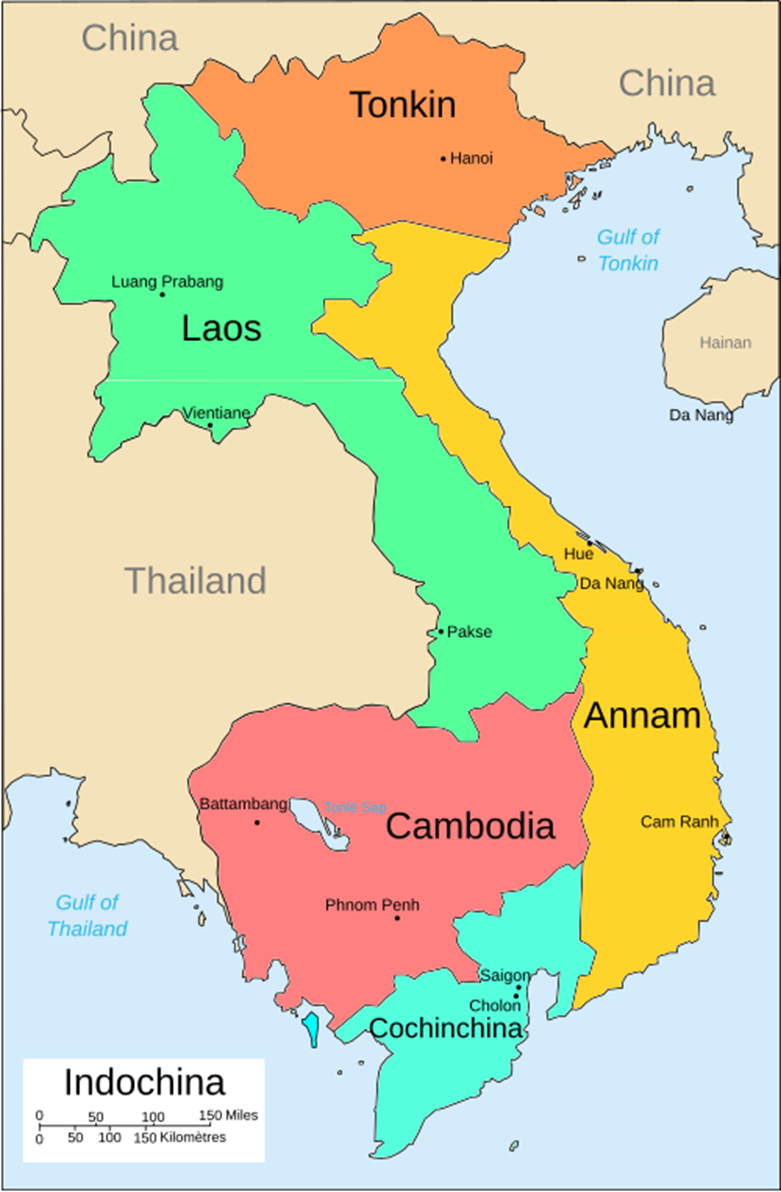
Bordered by Prey Veng Province to the north and west and by Tây Ninh and Long An Provinces of Vietnam to the east and south, Svay Rieng occupies a “duck beak-like” pan-shaped flat terrain[5], known as the “Parrot’s Beak”. It is about 125 km from Phnom Penh and only 60 km from Ho Chi Minh City by land, positioning it as a vital cross-border connector for both passenger and commodity flows[3][5][6].
Climate and Environment
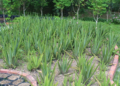
Svay Rieng’s climate is tropical wet and dry, with temperatures ranging from 19°C (coldest) to 38.5°C (hottest); the mean temperature hovers around 29°C[3][5]. The area receives an average annual rainfall of 1,600-1,995.8 mm, influenced by the regional monsoon[3][5]. The province is mostly a plain area that supports extensive wetlands, rice paddies, and marshes. Two main rivers—the Vaiko and Kampong Trach—flow through the province, providing irrigation and supporting agriculture[5][6].
Flooding is a recurring environmental challenge, often affecting vast tracts of farmland, homes, infrastructure, and livelihoods[5]. Restoration efforts focus on replanting crops, repairing infrastructure, and ensuring community welfare.
Administrative Division and Demographics
Administratively, Svay Rieng consists of 6 districts (Chantrea, Kampong Rou, Romdoul, Romeas Haek, Svay Chrum, and Svay Teap), 12 sangkats (urban communes), 68 rural communes, and about 690 villages[3][5][2]. The province capital is Svay Rieng town, while the largest and most economically dynamic city is Bavet, a hub for international commerce on the Vietnamese border[1][2].
The total population stands at about 579,015 people, yielding a density of 195–203 persons/km²[3][5]. Notably, females slightly outnumber males. A significant proportion of the population is young, and literacy rates are on the rise, with over 242,000 adults being literate[3]. The province is predominantly Khmer, but its proximity to Vietnam contributes to cultural diversity and intermixing.
Historical Background
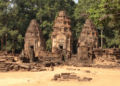
Svay Rieng’s history is shaped by its geographical location and interaction with neighboring regions. In ancient times, the area fell under the Funan (1st–6th century) and Chenla (6th–9th century) Kingdoms, which later gave way to the Khmer Empire—a period during which Svay Rieng was likely a significant agricultural and trade zone due to its proximity to the Mekong River[4]. This history is reflected in the presence of Khmer temple ruins such as Prasat Chea Hao and Prasat Basac[6].
During the French colonial era, especially around 1920–1922, Svay Rieng underwent administrative restructuring. On April 9, 1922, King Sisowath, via Royal Decree No. 49, established Svay Rieng Province by merging three formerly separate provinces—Romdoul, Romeas Hek, and Svay Taep[4]. These became districts (khans) under the new province. This administrative reorganization aimed to improve governance and further economic development.
Throughout the late 20th century, especially after the turmoil of the Khmer Rouge period, Svay Rieng saw only gradual development. However, since the 1990s, there has been steady economic growth fueled by agriculture and more recently, manufacturing[4].
Economy
The economy of Svay Rieng is dominated by agriculture, particularly rice farming, as the fertile plains benefit from both riverine and monsoonal waters[4][3][7]. Other important crops include cassava and a variety of fruits. The presence of a young labor force and improved access to electricity make the province attractive for agro-processing and manufacturing[3].
Bavet city acts as an economic engine, with its status as an international border crossing facilitating cross-border trade and logistics[1][6]. In recent years, garment factories and other light industries have sprung up near Bavet, taking advantage of abundant labor, low operation costs, and proximity to Vietnam[4][8]. These manufacturing facilities contribute to rural-urban migration within the province, shaping new demographic and social patterns.
The Svay Rieng Special Economic Zone (SEZ) supports light industry exports, mainly garments and footwear, destined for international markets via Vietnam. The SEZ is expected to drive population growth and further economic transformation in coming decades[8].
Infrastructure and Development
The transportation infrastructure in Svay Rieng is generally good relative to other Cambodian provinces, thanks in large part to National Road 1 and the international crossing at Bavet[3][6]. Improved roads, bridges, and dams (notably along the Vaiko River) support both commerce and agriculture[5].
However, periodic flooding remains a major threat to infrastructure and livelihoods. For example, in recent years, floods have impacted thousands of families, destroyed crops, damaged roads and bridges, and forced evacuations. The provincial government has responded through crop replanting programs, infrastructure repair, and targeted social assistance[5].
Health care and education have improved over the past two decades, with increased access to schools and health clinics in both towns and rural areas. Despite these gains, challenges persist in water quality, public health, and access to higher education for the rural poor.
Culture and Society
Svay Rieng is characterized by a strong agrarian tradition, with village life centered around rice cultivation, pagodas, and local marketplaces[6][7]. Khmer New Year and religious festivals mark significant cultural events, often drawing large gatherings. Despite proximity to the Bavet border gateway, much of the province retains a rural character with traditional wooden homes and close-knit communities.
The religious landscape is predominantly Buddhist, as in most of Cambodia, with numerous pagodas serving as centers for worship and community social life. The province displays a blend of Khmer and Vietnamese cultural influences due to cross-border movement and historical interaction[4].
Tourism
Although not a mass-tourism destination, Svay Rieng offers attractions for intrepid travelers seeking authentic rural Cambodia. Highlights include:
- The bustling market and urban sights of Svay Rieng town.
- The border city of Bavet, with its casinos, shops, and trade activity.
- Scenic spots such as Prey Ba Sak lake and the marshlands along the Vaiko River, ideal for photography and relaxation.
- Little-known ancient temples (Prasat Chea Hao, Prasat Basac) and the region’s rural landscapes[6].
The lack of large-scale tourism infrastructure means the province remains largely off the beaten track, preserving its quiet charm and authenticity.
Challenges and Prospects
Svay Rieng faces several challenges:
- Flooding and natural disasters threaten agriculture and infrastructure.
- Economic vulnerability in rural regions, particularly from dependency on rice farming.
- Limited access to advanced health care and education in some areas.
- Cross-border crime and migration issues at Bavet.
However, Svay Rieng’s strategic position—close to both Phnom Penh and Ho Chi Minh City—offers considerable opportunities. Ongoing investments in infrastructure, special economic zones, and agricultural modernization provide grounds for optimism. The province is also expected to benefit from enhanced Cambodia-Vietnam cross-border cooperation in commerce, tourism, and transport.
Svay Rieng Province stands as a testament to Cambodia’s resilience, adaptability, and unassuming potential. It is a region where history and modernity coexist, where the fields of rice and cassava blend with the hum of new factories, and where rural traditions meet the challenges and opportunities of regional integration. As Cambodia looks to greater ASEAN connectivity and continued development, Svay Rieng’s profile is likely to rise in importance—a vibrant crossroads of culture, commerce, and community[1][3][4][5][6][7].
- https://en.wikipedia.org/wiki/Svay_Rieng_province
- https://simple.wikipedia.org/wiki/Svay_Rieng_province
- https://data.opendevelopmentcambodia.net/en/dataset/77f8f1ae-54dc-47e5-87d3-d15ed2e0c0da/resource/a5604937-528f-4b41-b905-fcaf2f098eba/download/svay-rieng-provinceengcib__21.10.2014.pdf
- https://intocambodia.org/content/svay-rieng-province
- https://openjicareport.jica.go.jp/pdf/12112637_04.pdf
- https://tourismcambodia.org/provinces/66/svay-rieng
- https://www.cambodialifestyle.com/svay-rieng-province/
- https://openjicareport.jica.go.jp/pdf/12229555_01.pdf