


Preah Vihear Temple (ប្រាសាទព្រះវិហារ) is one of Cambodia’s most remarkable and historically significant ancient Hindu temples, perched dramatically on a 525-meter-high cliff in the Dângrêk Mountains, overlooking the plains of northern Cambodia. Renowned for its stunning architecture, religious significance, and breathtaking location, the temple embodies the artistic and spiritual zenith of the Khmer Empire, reflecting centuries of devotion, political history, and cultural exchange.
Historical Background
The origins of Preah Vihear date back to the early 9th century during the reign of King Yasovarman I (889–910 AD), who initiated the temple’s foundations and constructed the eastern stairway that ascends nearly a kilometer from the forested plains below to the temple complex. Over the next three centuries, the temple was expanded and embellished by successive Khmer kings, including King Suryavarman I (1002–1050), King Udayadityavarman II (1050–1068), King Jayavarman VI (1080–1107), King Dharanindravarman I (1107–1112), and King Suryavarman II (1113–1150), the latter famed for building Angkor Wat.
The temple was dedicated primarily to the Hindu god Shiva, worshipped here in his mountain manifestations as Sikharesvara and Bharesvara, symbolizing the sacredness of the mountain itself. Its religious function as a place of worship and pilgrimage was deeply intertwined with its natural setting, believed to be a terrestrial representation of Mount Meru, the mythical abode of the gods in Hindu cosmology.
Architectural Significance
Preah Vihear Temple is architecturally unique among Khmer temples due to its elongated layout along a north-south axis stretching approximately 800 meters, rather than the more typical rectangular, east-facing design found in Angkorian temples. The temple complex is composed of a series of sanctuaries, halls, libraries, courtyards, and gates (gopuras), linked by a raised causeway and staircases that ascend the cliffside in four main levels.
– Lower Level: The entrance pavilions and staircases mark the beginning of the sacred journey;
– Causeway and Central Sanctuary: The main pathway leads visitors upward through successive gopuras, symbolizing the spiritual ascent toward the divine;
– Northern Hall and Libraries: Noted for their intricate stone carvings and bas-reliefs depicting Hindu epics and mythology;
– Uppermost Courtyard and Shrine: The final destination housing the main sanctuary dedicated to Shiva.
The temple’s design is a symbolic recreation of Mount Meru, with each ascending level representing a higher spiritual realm. This architectural symbolism was intended to guide pilgrims on a physical and spiritual journey from the earthly world to the celestial abode of the gods.
The craftsmanship of Preah Vihear is exceptional, with finely carved sandstone blocks weighing up to five tons each, featuring elaborate lintels, pediments, and bas-reliefs. The temple is particularly admired for its elegant libraries and the sophisticated use of corbelled arches constructed from smaller bricks bound with mortar, which was a practical innovation compared to the heavy rock slabs used elsewhere.
Religious and Cultural Importance
Preah Vihear’s religious significance extends beyond its architectural grandeur. It has been a sacred site for centuries, serving as a center for Hindu worship and pilgrimage. The temple’s dedication to Shiva, especially in his mountain forms, underscores the Khmer’s reverence for nature and the divine presence in the landscape.
The temple’s remote location contributed to its preservation, as it was difficult to access and thus spared the extensive looting and destruction that affected many other Angkorian sites during periods of conflict. This isolation also fostered a unique spiritual atmosphere, with the temple regarded as a powerful symbol of Khmer identity and religious devotion.
Political and Territorial Disputes
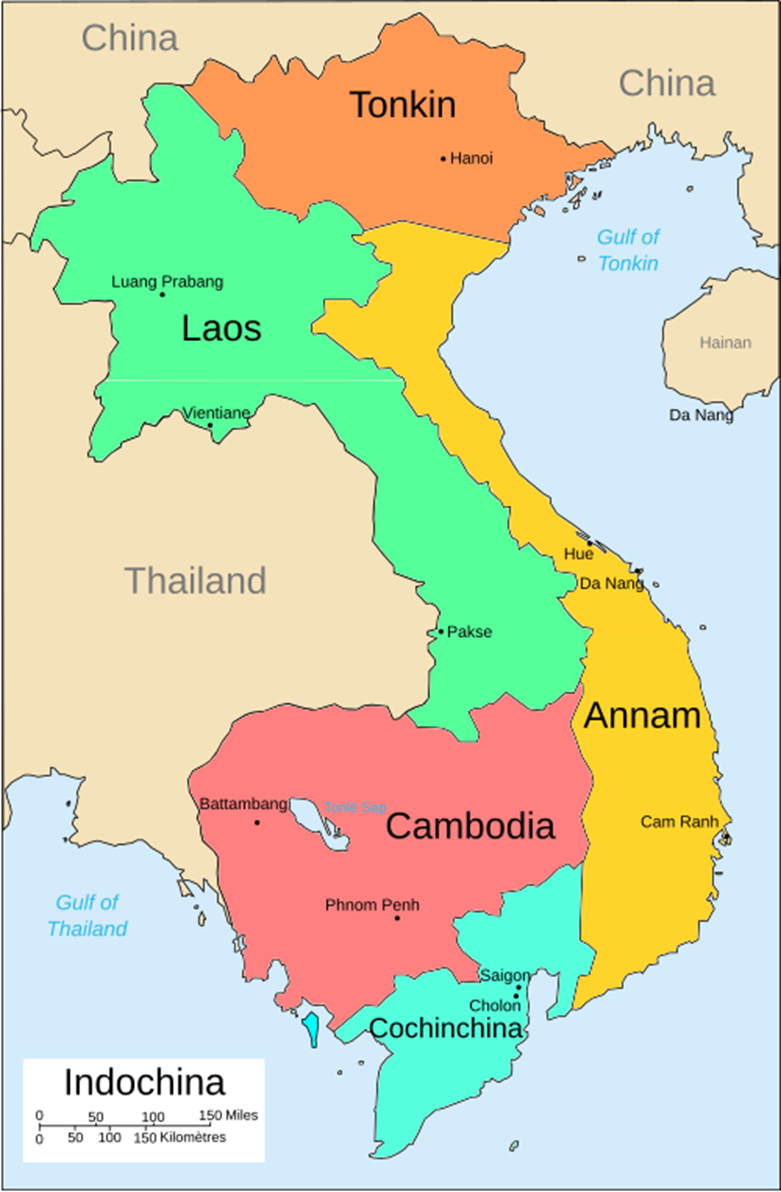
Preah Vihear’s location on the border between Cambodia and Thailand has made it a focal point of territorial disputes for over a century. In 1907, during French colonial rule, a map was drawn that placed the temple within Cambodian territory, but the French-Siamese treaty allocated the surrounding land to Thailand. After Cambodia gained independence and French troops withdrew in 1954, Thailand occupied the temple, leading to escalating tensions.
The dispute reached the International Court of Justice (ICJ) in The Hague, which in 1962 ruled in favor of Cambodia, affirming that the temple belonged to Cambodian sovereignty and ordering Thailand to withdraw its troops and return any antiquities taken from the site. Despite this ruling, access to the temple was historically easier from Thailand, and the area around the temple remained militarized and contested for decades, especially during Cambodia’s civil wars.
The conflict reignited in the 2000s, particularly after Preah Vihear was inscribed as a UNESCO World Heritage Site in 2008, which Thailand contested. Further ICJ rulings in 2011 reaffirmed Cambodia’s sovereignty over the temple and surrounding areas, but occasional skirmishes and political tensions have persisted.
UNESCO World Heritage Status
On July 7, 2008, Preah Vihear Temple was officially designated a UNESCO World Heritage Site, recognized for its outstanding universal value as a masterpiece of Khmer architecture and its exceptional state of preservation. UNESCO highlighted the temple’s unique adaptation to its natural environment, its religious function, and the exceptional quality of its stone carvings and ornamentation.
The inscription brought increased international attention to Preah Vihear, boosting tourism and conservation efforts while also intensifying the territorial dispute with Thailand. The World Heritage status underscores the temple’s importance not only to Cambodia but to global cultural heritage.
The Temple Today and Tourism
Today, Preah Vihear Temple remains a powerful symbol of Cambodia’s ancient civilization and religious heritage. Its remote location atop the Dângrêk Mountains offers visitors spectacular panoramic views of the surrounding plains and forests, enhancing the spiritual experience of the site.
Access to the temple has improved, with roads and facilities developed to accommodate tourists, although the site retains much of its wild and rugged character. Visitors can explore the temple’s extensive galleries, intricately carved stone reliefs, and the sequence of sanctuaries that tell stories from Hindu mythology and Khmer history.
The temple’s cultural significance is celebrated annually during religious festivals and ceremonies, attracting both local worshippers and international visitors. It remains a place of pilgrimage and devotion, maintaining its spiritual vitality alongside its status as a cultural and historical monument.
Preah Vihear Temple stands as a testament to the Khmer Empire’s architectural genius, religious devotion, and cultural resilience. Built over three centuries by a succession of kings, it is a unique spiritual complex that harmonizes with its dramatic natural setting on a cliff edge. The temple’s intricate design, symbolic layout, and exquisite carvings exemplify the height of Khmer artistry.
Despite its remote location, Preah Vihear has played a significant role in regional politics and cultural identity, especially due to its contested status between Cambodia and Thailand. Its recognition as a UNESCO World Heritage Site has helped preserve this ancient masterpiece for future generations.
As a site of profound historical, architectural, and spiritual importance, Preah Vihear Temple continues to inspire awe and reverence, offering a window into the rich heritage of the Khmer civilization and the enduring power of sacred space.












Comments 1