The Buddhist Institute (វិទ្យាស្ថានពុទ្ធសាសនបណ្ឌិត្យ) in Phnom Penh is Cambodia’s principal government Buddhist institution and a key center for Buddhist education, research, and cultural preservation. It was officially founded on May 12, 1930, through a collaboration between King Sisowath Monivong of Cambodia, King Sisavong Vong of Laos, Pierre Pasquier (Governor General of French Indochina), and George Cœdes, head of the École française d’Extrême-Orient.
Historical Background
The Buddhist Institute was established during the French colonial era as one of Buddhist educational institutions aimed at promoting Buddhism through research, publication, and education. Its founding was partly motivated by the desire to protect Cambodian Buddhism from foreign cultural and political influences, especially from Thailand. The Institute has played a critical role in preserving and disseminating Buddhist texts, culture, and Khmer traditions.
After suffering setbacks during Cambodia’s turbulent history, including the Khmer Rouge regime which devastated many cultural institutions, the Buddhist Institute was re-established in 1992 with support from international partners such as the Japan Sotoshu Relief Committee and the German Heinrich Boell Foundation. Since then, it has sought to regain its status as a national center for Buddhist learning and cultural dialogue.
Organization and Functions
The Buddhist Institute operates several departments and commissions:
– Administrative Department
– Tripitaka Commission: Responsible for translating and publishing Buddhist scriptures, especially the Pali Canon, into Khmer.
– Mores and Customs Commission: Focuses on collecting and publishing Khmer legends, customs, and folklore.
– Library: Houses a significant collection of Buddhist texts and Khmer literature.
– Bookstore: Distributes religious and cultural publications.
The Institute has published important works such as the Khmer dictionary, which is a major reference for researchers of Khmer literature and language. It also produces the magazine Kambuja Soriya, which features articles on culture, tradition, religion, and news related to the Institute’s activities.
Role in Cambodian Buddhism and Culture
The Buddhist Institute serves as a repository of knowledge on Buddhism, Khmer culture, literature, language, and customs. It is a vital resource for researchers and the public interested in Cambodia’s religious and cultural heritage. The Institute also organizes traditional workshops, supports Buddhist libraries across provinces, and participates in national events such as the annual Buddhist Literature Awards and book fairs.
Despite its historic importance, the Institute today operates with a relatively small staff — only 17 employees as of 2022 — and faces challenges such as limited resources and the pressures of urban development around its Phnom Penh location.
Location and Architecture
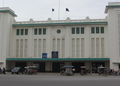
The Buddhist Institute’s main facilities are located in the heart of Phnom Penh, near landmarks such as the Samdech Chuon Nath Statue and the NagaWorld casino complex. The building is noted for its impressive colonial-era architecture and well-maintained gardens, making it a notable cultural landmark in the city.
Contemporary Relevance and Challenges
The Institute continues to pursue its mission of promoting Buddhism and Khmer culture through scholarly work and public engagement. It supports the training of Buddhist monks and lay scholars and strives to maintain its role as a forum for national, regional, and international dialogue on Buddhism and Cambodian culture.
However, the Buddhist Institute faces challenges including:
– Reduced student attendance compared to the past, with fewer monks and scholars regularly visiting the library and facilities.
– Urban encroachment and the possibility of relocation due to surrounding commercial developments, which threaten its historic premises.
– Limited funding and staff, which constrain its ability to expand activities and outreach.
The Buddhist Institute in Phnom Penh stands as a cornerstone of Cambodia’s Buddhist education and cultural preservation. Founded in 1930 during the French colonial period, it has survived decades of upheaval and continues to serve as a national center for Buddhist scholarship, cultural documentation, and education. While facing modern challenges, it remains an essential institution dedicated to safeguarding Cambodia’s Buddhist heritage and promoting scholarly research on religion and culture.
Key facts at a glance: