Srah Srang is more than a scenic sunrise spot in Angkor. This vast royal reservoir reveals layers of Khmer history, refined architecture, and daily life at the height of the empire. From its elegant terrace to its quiet waters, discover why Srah Srang remains one of the most poetic and accessible sites in Angkor today.
(Estimated reading time: 7 minutes. Enough to plan your visit before the sun rises over the water.)
Srah Srang is often described in a few quick words: a reservoir, a sunrise spot, a peaceful stop along the Angkor circuit. That description is correct, but incomplete. This elegant basin, located just east of Banteay Kdei, carries centuries of royal ambition, architectural refinement, and quiet symbolism.
This article is for travelers, photographers, and cultural enthusiasts who want to go beyond the postcard view. You will learn what Srah Srang is, why it matters historically, how to visit it at the right time, and what details are worth your attention once you are there.
A Royal Reservoir with Purpose
Srah Srang is a large rectangular baray, or water reservoir, measuring roughly 700 by 350 meters. It was originally constructed in the 10th century during the reign of King Rajendravarman II and later modified by Jayavarman VII in the late 12th century.
The name Srah Srang translates loosely as “royal bathing pool.” While it sounds romantic, it was likely used by the royal court and associated temple communities for ritual bathing rather than casual swimming.
A Strategic Location in Angkor
Srah Srang sits along the eastern edge of the Angkor Thom area, directly opposite Banteay Kdei. This positioning is not accidental. In the Khmer worldview, water is both practical and symbolic. It represents life, fertility, and cosmic balance.
The reservoir also reflects the advanced hydraulic engineering of the Angkor civilization. These water systems supported agriculture and helped regulate seasonal flooding, which was essential for sustaining a large population.
The Terrace of Elegant Restraint
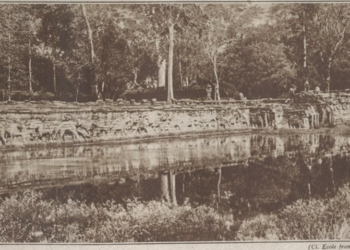
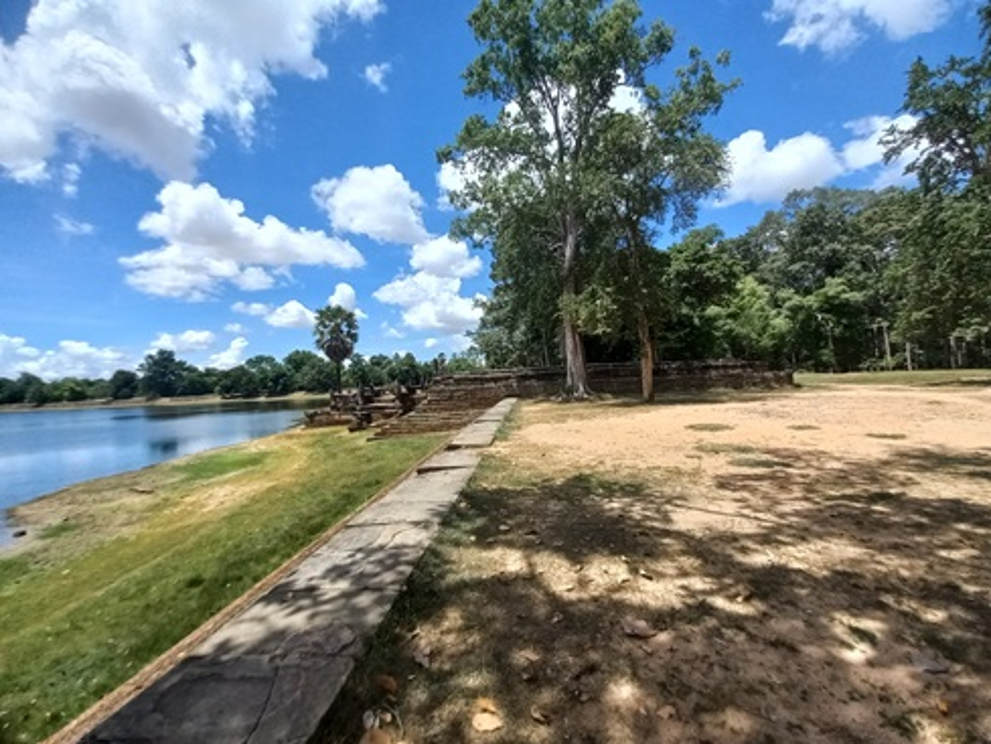
The most striking feature of Srah Srang is its western terrace, where visitors gather today. Built of laterite and sandstone, the terrace includes wide steps descending toward the water, flanked by naga balustrades.
At the center, a small platform projects into the basin. This structure is often interpreted as a landing stage or ceremonial platform. Its symmetry and simplicity create a calm visual rhythm, especially at sunrise.
Guardian Figures and Subtle Details
Look closely and you will notice lion statues and remnants of naga heads. These are not merely decorative. In Khmer architecture, nagas serve as protectors and symbolic bridges between worlds.
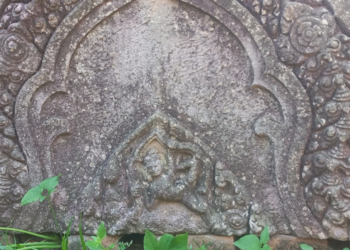
The terrace also features finely carved elements that reflect the Bayon style, associated with Jayavarman VII. Compared to the grandiosity of Angkor Wat, Srah Srang feels more intimate, almost contemplative.
Why It Is One of the Best Sunrise Spots in Angkor
Srah Srang is often recommended as an alternative to Angkor Wat for sunrise, and for good reason. The experience is quieter, less crowded, and arguably more atmospheric.
As the sky brightens, the water reflects shades of orange, pink, and gold. Palm trees and distant temple silhouettes frame the horizon. The scene has a painterly quality that appeals to both photographers and early risers who prefer a calmer setting.
Practical Tips for Sunrise Visits
- Arrive at least 20 to 30 minutes before sunrise to secure a good spot on the terrace.
- Bring a light scarf or jacket, as mornings can feel cool during certain seasons.
- Use a tripod if you are serious about photography, but keep it discreet to avoid blocking others.
- Combine your visit with Banteay Kdei, which is just across the road and often nearly empty at that hour.
From Hindu Origins to Buddhist Influence
Srah Srang reflects the religious transitions of the Angkor period. Its original construction aligns with Hindu cosmology, where water plays a central role in representing the cosmic ocean.
Later modifications under Jayavarman VII introduced Mahayana Buddhist elements. This blending of traditions is typical of Angkor, where religious shifts were usually gradual rather than abrupt.
While monumental temples often dominate attention, reservoirs like Srah Srang offer insight into daily life. Water was essential for rituals, agriculture, and community activities.
Standing at the edge of the basin, it is not difficult to imagine monks, nobles, and workers interacting with this space centuries ago. The site feels lived-in, even today.
Srah Srang is located along the Small Circuit, making it easy to include in a standard Angkor itinerary. It is accessible by tuk tuk, bicycle, or car.
The best times to visit are:
- Early morning for sunrise
- Late afternoon for softer light and fewer visitors
Midday visits are less rewarding due to harsh sunlight and limited shade.
What to Combine with Srah Srang
Srah Srang pairs well with nearby temples:
- Banteay Kdei, directly opposite, offers a quiet exploration experience.
- Ta Prohm is a short drive away and contrasts with its jungle-covered ruins.
- Pre Rup, slightly further, is another excellent sunset location.
This cluster allows for a well-balanced day combining architecture, atmosphere, and photography.
Srah Srang is less about dramatic structures and more about atmosphere. Focus on reflections, silhouettes, and framing elements like trees and balustrades.
A simple composition can be more effective than a complex one here. The calm water does much of the work for you.
Unlike the more iconic temples, Srah Srang invites you to pause. Sit on the steps, observe the changing light, and let the space reveal itself gradually.
This slower rhythm is part of its charm and one of the reasons many repeat visitors return to it.
Srah Srang may not have the towering grandeur of Angkor Wat, but it offers something equally valuable: a sense of balance, history, and quiet beauty. Whether you come for sunrise or simply to take a break from temple hopping, this royal reservoir remains one of Angkor’s most rewarding and human-scale experiences.
Pascal Médeville is a writer and digital publisher based in Cambodia. He specializes in Khmer culture, history, and heritage sites, with a focus on making complex subjects accessible to curious travelers. Through Wonders of Cambodia, he documents places like Srah Srang with a mix of practical insight and cultural context.