This week’s Pictures of the Week on Wonders of Cambodia linger between stone towers and kitchen tables, exploring how memory lives in both sacred spaces and everyday flavors. From remote temple faces to humble omelettes and gleaming fruits, these images trace a gentle line through Cambodia’s landscape of devotion, comfort, and shared meals. Together, they invite you to slow down and notice how history and hospitality meet in the details of daily life.
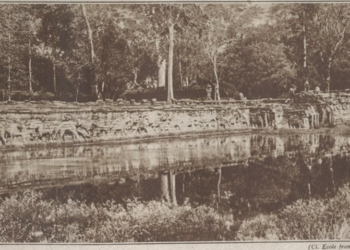
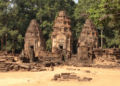
“Whispering Faces of Banteay Chhmar’s Tower” draws us first to the far northwest, where a weathered sandstone tower rises from the quiet ruins of Banteay Chhmar. The carved faces, softened by centuries of rain and jungle air, seem to murmur stories of the Khmer Empire, inviting visitors to stand in stillness and listen to the echo of kings, pilgrims, and guardians who once watched over this forgotten giant.
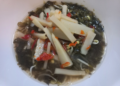
From ancient stone we move straight to the stove with “Creamy Cambodian Black-Eyed Pea Coconut Milk Dessert”. A simple bowl of legumes and rich coconut cream becomes a portrait of Cambodian home cooking, where thrift and indulgence share the same spoon. You can almost feel the warmth of the kitchen and the anticipation of family members waiting to taste something both familiar and quietly celebratory.
“Bouquet of Patterned Memories by Tith Veasna” brings us into the world of contemporary Cambodian creativity, where patterns echo traditional textiles and temple motifs. Arranged like a floral offering, these designs suggest how artists transform personal and collective memories into visual bouquets, bridging old decorative traditions with new expressions. It is an image that hints at how Khmer heritage continues to evolve, one deliberate stroke and motif at a time.
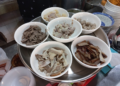
“Omelette Trei Proma – Classic Cambodian Comfort Food” sets a plate of golden egg and salty preserved fish at the center of the table. Modest in appearance yet deeply satisfying, this omelette speaks of early-morning markets, family recipes, and the kind of dish that ties generations together through taste. It is comfort food in the truest sense: uncomplicated, full of character, and best shared over conversation.
In “Ruby Pomegranate Jewels in Cambodia”, vivid seeds glisten like tiny gemstones piled in a bowl or cut fruit. Their bright color flashes against the softer tones of the table, capturing the delight of seasonal abundance in Cambodian markets and kitchens. This small burst of sweetness reminds us how imported and regional fruits alike become part of local rituals of hospitality and festive snacking.
“Num Lpov Cambodian Pumpkin Cake Treat” turns our attention to a beloved Khmer dessert built from pumpkin, coconut, and sticky rice. Its gentle orange hue and dense, glossy texture convey the quiet pleasure of a snack enjoyed during a lull in the day, perhaps with tea or coffee. Through this image, you glimpse the softer side of Cambodian food culture, where sweets mark small pauses in an otherwise busy routine.
Finally, “Marian Plum Moments on a Cambodian Table” offers a still life of oval fruits resting on a plate or tablecloth. Their subtle tones and smooth skins speak of regional harvests and the joys of eating what the season brings. It is a quiet picture, yet it carries the gentle rhythm of daily life: washing fruit, arranging it for family or guests, and taking a moment to appreciate color before the first bite.
Taken together, these seven images reveal a Cambodia where temple faces and table scenes belong to the same continuum of memory. The week’s pictures move between Banteay Chhmar’s solemn towers and the intimate spaces of kitchens and artist studios, showing how heritage is preserved not only in stone but also in recipes, patterns, and shared fruit. For travelers, diaspora, and locals alike, they offer an invitation to notice the whispers in ancient carvings and the quiet joy of everyday flavors and textures on the Cambodian table.