


Introduction
Suryavarman II (ព្រះបាទសូរ្យវរ្ម័នទី២) (ruled c. 1113–1150 CE) was one of the most illustrious kings of the Khmer Empire, reigning during its golden age. Best known for constructing the magnificent temple of Angkor Wat, he expanded the empire’s territory, strengthened its political influence, and promoted Hinduism as a state religion. His reign marked a period of architectural brilliance, military conquests, and cultural prosperity that left an indelible mark on Southeast Asian history.
Rise to Power
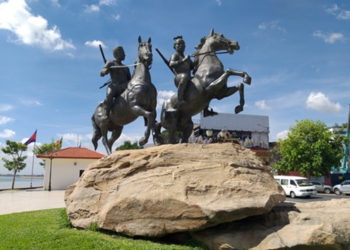
Suryavarman II ascended to the throne after a period of internal strife within the Khmer Empire. Historical records, including inscriptions and bas-reliefs, suggest that he seized power by defeating his rival, Dharanindravarman I, in a dramatic battle that saw him mounting a war elephant to claim victory. His coronation in 1113 CE marked the beginning of a new era for the Khmer Empire.
To legitimize his rule, Suryavarman II aligned himself closely with the Hindu god Vishnu, presenting himself as a devaraja (god-king), a tradition established by earlier Khmer rulers. This divine association reinforced his authority and justified his ambitious building projects and military campaigns.
Military Campaigns and Expansion
Suryavarman II was a formidable warrior-king who sought to expand the Khmer Empire’s influence across Southeast Asia. He launched military campaigns against neighboring states, including:
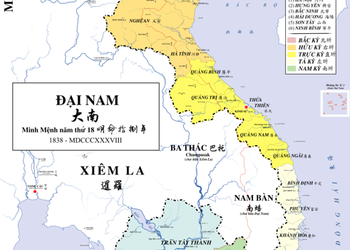
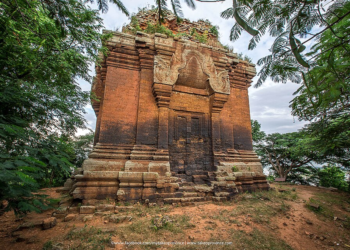
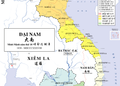
– Champa (modern-day Vietnam): He waged war against the Cham kingdoms, seeking to control trade routes and secure Khmer dominance;
– Dai Viet (northern Vietnam): His forces clashed with the Vietnamese, though these campaigns were less successful;
– Haripunjaya (northern Thailand): He extended Khmer influence into the Chao Phraya River basin.
While not all his military endeavors were successful, Suryavarman II’s aggressive expansionism temporarily extended Khmer power across much of mainland Southeast Asia.
Construction of Angkor Wat
Suryavarman II’s most enduring legacy is Angkor Wat, the largest religious monument in the world. Built as his state temple and eventual mausoleum, Angkor Wat was dedicated to Vishnu, reflecting the king’s devotion to the deity.
Key Features of Angkor Wat:
– Architectural Grandeur: The temple complex spans over 400 acres (1.6 km2), featuring a massive central tower surrounded by four smaller towers, representing Mount Meru, the mythical abode of the gods;
– Bas-Reliefs and Artwork: The walls are adorned with intricate carvings depicting Hindu epics like the Ramayana and Mahabharata, as well as scenes from Suryavarman II’s court and military victories;
– Engineering Marvel: The temple’s precise alignment with the sun during equinoxes and its sophisticated water management system highlight the Khmer Empire’s advanced knowledge of astronomy and hydrology.
Angkor Wat was not just a religious site but also a political statement, symbolizing Suryavarman II’s divine authority and the empire’s wealth and power.
Religious and Cultural Contributions
Though Suryavarman II was a devout Hindu, his reign saw a blend of Hindu and indigenous Khmer traditions. He maintained the empire’s traditional reverence for Shiva while elevating Vishnu to prominence. This syncretism is evident in Angkor Wat’s iconography, which incorporates both Hindu and local spiritual elements.
Under his rule, the Khmer Empire also strengthened ties with other regional powers, including China. Records from the Chinese Song Dynasty mention diplomatic exchanges, with Suryavarman II sending envoys to the Chinese court.
Decline and Death
The latter part of Suryavarman II’s reign saw challenges, including military setbacks in Vietnam and increasing pressure from rival kingdoms. He died around 1150 CE, possibly in battle against the Chams. After his death, the Khmer Empire experienced a period of instability until the rise of Jayavarman VII, who restored its glory.
Legacy
Suryavarman II remains one of Cambodia’s most celebrated kings. Angkor Wat, now a UNESCO World Heritage Site and a symbol of Cambodia, stands as a testament to his vision. His reign represents the peak of Khmer classical art, architecture, and imperial ambition.
Today, Suryavarman II is remembered not only as a conqueror but as a patron of culture and religion whose contributions continue to inspire awe centuries later.
Suryavarman II’s reign was a defining chapter in Khmer history. Through military prowess, grand architecture, and religious devotion, he shaped an empire whose influence resonates to this day. Angkor Wat, his crowning achievement, remains a masterpiece of human ingenuity and a lasting monument to his legacy.










Comments 1