


Takeo Province (ខេត្តតាកែវ), located in southern Cambodia, is one of the country’s most historically rich and culturally significant regions. Often referred to as the “Cradle of Cambodian Civilization,” Takeo is known for its ancient temples, archaeological treasures, and tranquil rural landscapes. Though it is less frequented by international tourists compared to provinces like Siem Reap or Phnom Penh, Takeo offers a unique window into Cambodia’s past and present.
Geography and Demographics
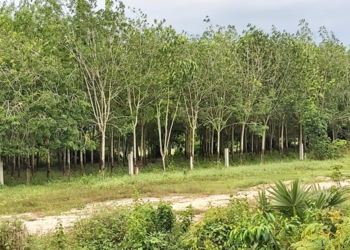
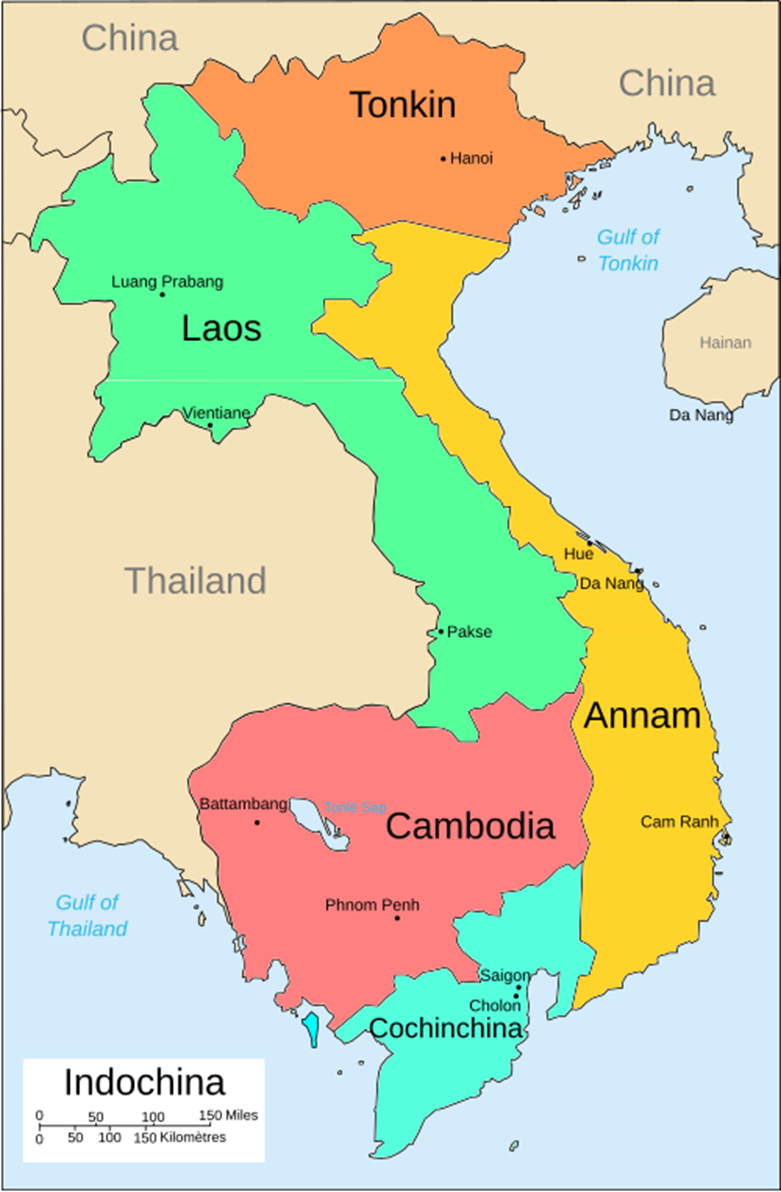
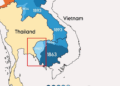
Takeo shares its southern border with Vietnam and is bordered by Kandal, Kampot, and Kampong Speu provinces. The province covers an area of approximately 3,563 square kilometers and is home to over 900,000 people. The landscape is primarily flat, with fertile rice fields, canals, and ponds shaped by the flow of the Mekong and Bassac rivers. The region’s agricultural potential has supported communities here for thousands of years.
The provincial capital, also named Takeo, serves as the administrative and commercial center. It is about 77 kilometers south of Phnom Penh and is connected by National Road 2, making it easily accessible by road.
Historical and Archaeological Significance
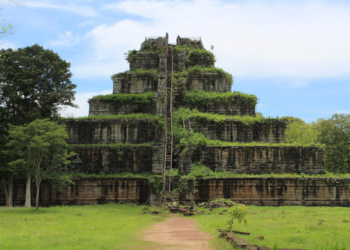
Takeo is often regarded as the birthplace of the ancient Khmer civilization. It was the center of the Funan and Chenla kingdoms, which predate the Angkor Empire. The province is dotted with important archaeological sites that provide insights into Cambodia’s early history.
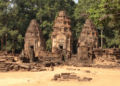
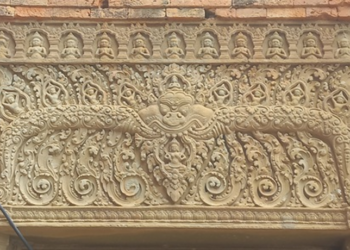
One of the most notable sites is Angkor Borei, believed to have been a major urban center of the Funan Kingdom around the 1st to 6th centuries AD. Excavations have uncovered ancient artifacts, pottery, and foundations of structures, suggesting a highly developed society. Nearby is the Phnom Da temple, a hilltop sanctuary dating back to the 6th century. The temple, constructed from laterite and sandstone, features bas-reliefs and inscriptions that reflect early Hindu influence in the region.
These sites are not just historical landmarks but are living symbols of Cambodia’s cultural continuity. They offer valuable insights into the architectural and spiritual development that would later flourish in Angkor.
Economy and Agriculture
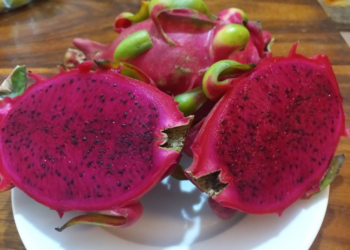
Takeo is predominantly an agricultural province. Rice farming is the main occupation, thanks to the flat terrain and abundant water supply. In addition to rice, locals cultivate vegetables, sugar palm, and fruit. Fishing, especially in the southern wetlands and along rivers, also plays a vital role in the local economy.
In recent years, the government and development partners have invested in improving irrigation systems and rural infrastructure to support farmers and increase productivity. There is also a growing interest in promoting ecotourism and cultural tourism in the region, although it remains underdeveloped compared to more popular destinations.
Culture and Daily Life
Life in Takeo moves at a peaceful pace, with strong community ties and a deep respect for tradition. Buddhism is the dominant religion, and pagodas are central to spiritual and community life. Festivals like Khmer New Year, Pchum Ben, and the Water Festival are celebrated with enthusiasm, often involving temple visits, traditional games, and cultural performances.
Takeo is also known for its traditional silk weaving, especially in the district of Prek Phnov. The province’s artisans produce handwoven silk scarves, or krama, using techniques passed down through generations. These products are sold both locally and in urban markets, contributing to the preservation of Cambodia’s cultural heritage.
Tourism and Development Potential
Though not yet a major tourist hub, Takeo holds immense potential. Visitors interested in history, archaeology, and authentic Cambodian rural life will find Takeo a rewarding destination. The development of tourism infrastructure, combined with conservation efforts, could help transform Takeo into a significant cultural and ecological tourism site.
Takeo Province is a hidden gem in Cambodia’s cultural and historical landscape. With its ancient temples, agricultural heritage, and peaceful countryside, it offers a unique experience for those seeking to understand the roots of Khmer civilization. As development continues and awareness grows, Takeo is poised to gain the recognition it deserves—as both a historical treasure and a vibrant part of modern Cambodia.









Excellent information about the wonders of Cambodia!